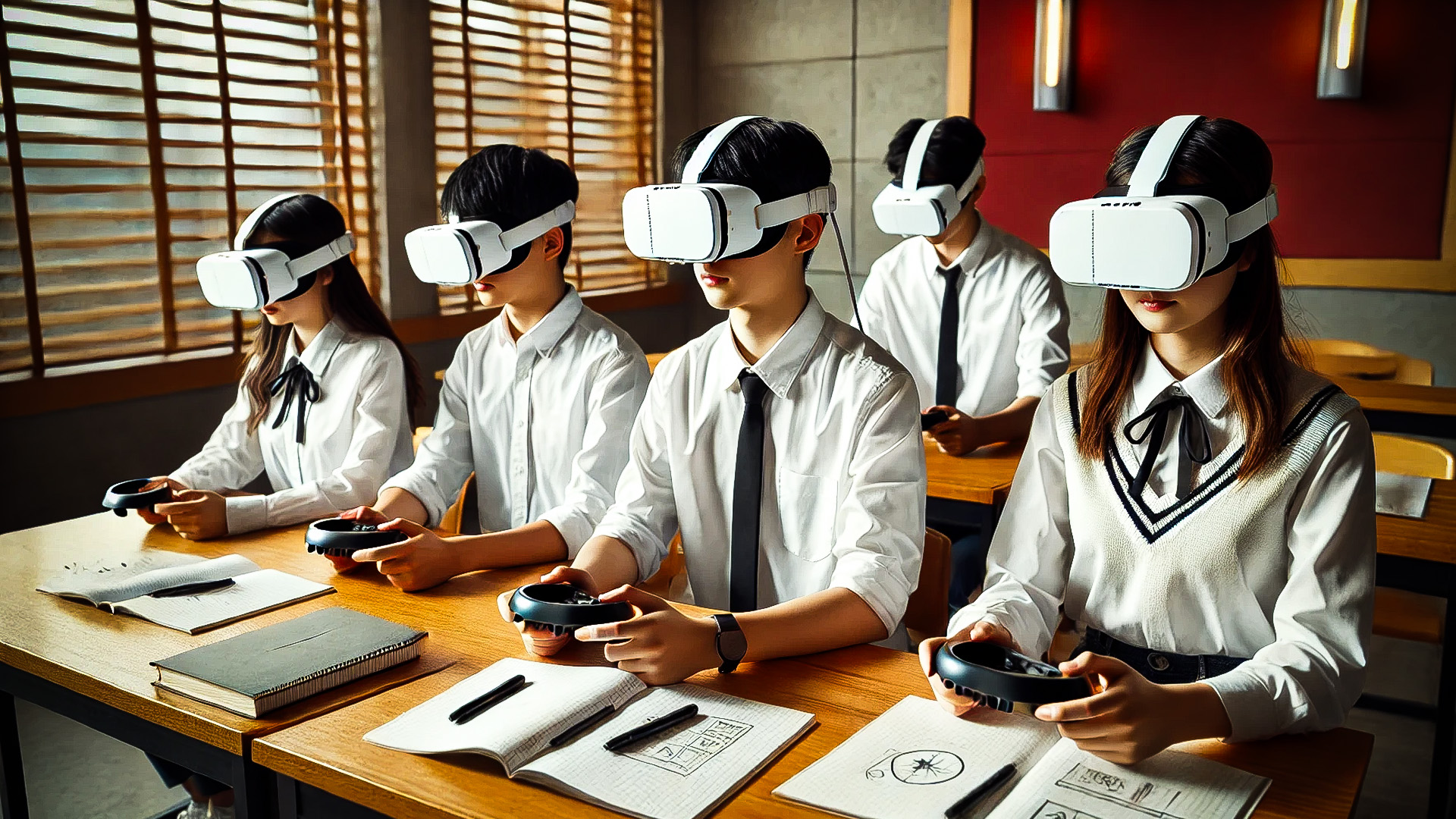
In an era defined by rapid technological advancements, the realm of education stands at a pivotal crossroads. Traditional methods of teaching, while foundational, are increasingly challenged by the demands of a modern, digital world. Enter virtual reality (VR)—a technology that promises to revolutionize how we impart knowledge, particularly in regions grappling with educational disparities like South Africa. As the nation continues to address its educational challenges, VR offers a beacon of hope, introducing immersive, engaging, and inclusive learning experiences that could reshape the future of South African schools.
The Current State of Education in South Africa
Challenges in South African Schools
South Africa’s education system is a complex tapestry woven with both triumphs and tribulations. Despite significant strides since the end of apartheid, numerous challenges persist. Large class sizes, inadequate infrastructure, and a shortage of skilled teachers are but a few of the hurdles that many schools face. Rural areas, in particular, struggle with limited access to quality educational resources, perpetuating a cycle of inequality. Additionally, the curriculum, often rigid and outdated, fails to engage students fully, leading to high dropout rates and underperformance in crucial subjects like mathematics and science.
The Need for Innovative Educational Solutions
In the face of these challenges, the need for innovative educational solutions has never been more pressing. Traditional methods, though valuable, are insufficient in addressing the diverse and dynamic needs of today’s learners. There is a growing recognition that to prepare students for a rapidly changing world, education must evolve. This evolution calls for the integration of technology—not merely as a supplement to existing practices, but as a transformative force that can redefine the learning experience. Virtual reality, with its ability to create immersive and interactive environments, is emerging as a powerful tool to bridge the gap between traditional education and the demands of the 21st century.
How Technology is Shaping the Future of Education
Globally, technology is reshaping education in profound ways. From online learning platforms to AI-driven personalized education, the digital age is redefining how knowledge is disseminated and absorbed. In South Africa, the adoption of such technologies is gaining momentum, albeit at a slower pace due to infrastructural and financial constraints. However, the potential impact is undeniable. By integrating technology like VR into the classroom, educators can offer students experiences that were previously unimaginable—traveling through ancient civilizations, exploring the depths of the human body, or even conducting virtual science experiments. Such experiences not only enhance understanding but also ignite curiosity and a passion for learning.
What is Virtual Reality and How Does it Work in Education?
A Brief Overview of Virtual Reality
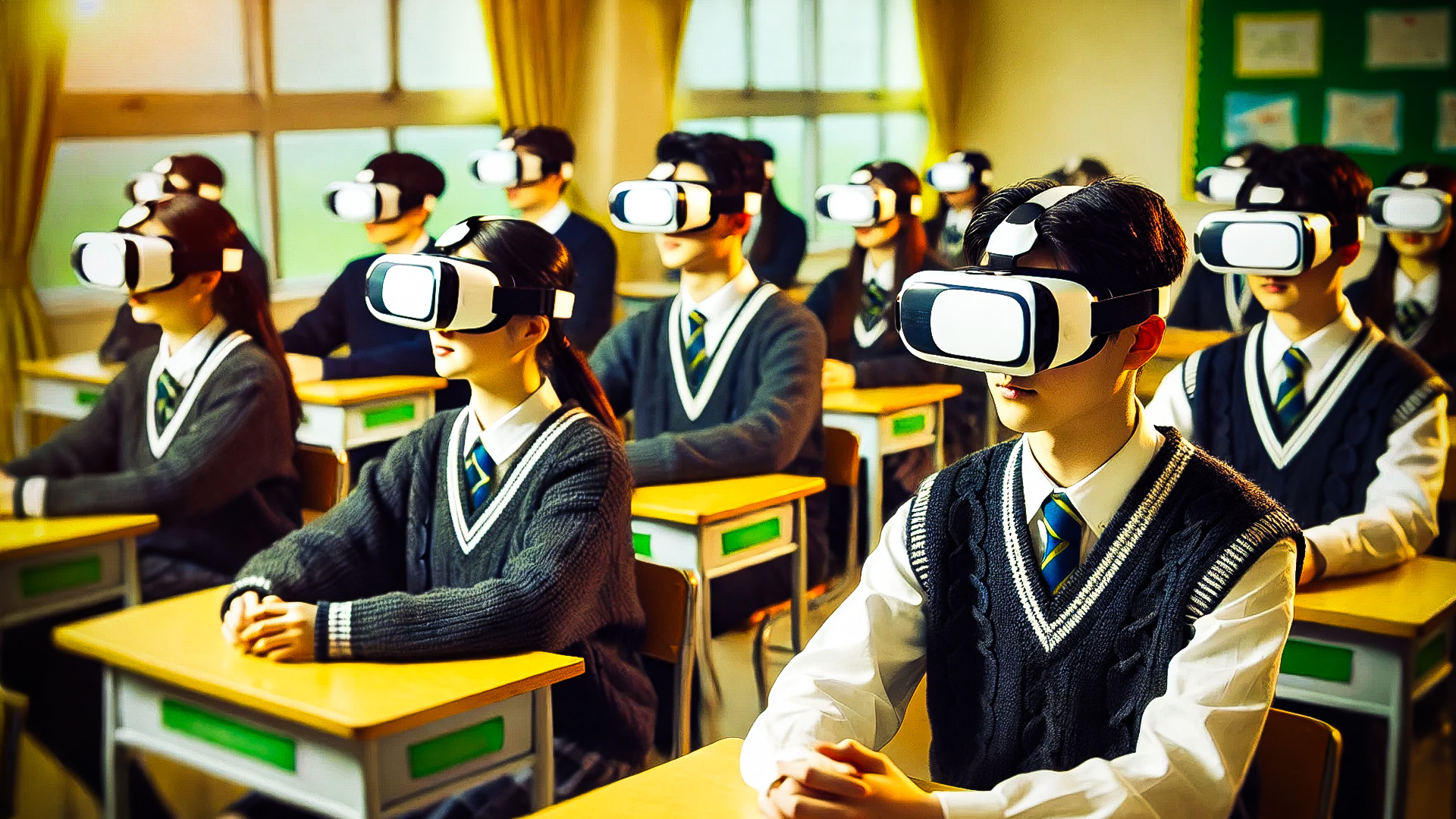
Virtual reality is a simulated experience that can be similar to or completely different from the real world. It typically involves the use of a headset that immerses the user in a 3D environment, allowing them to interact with digital elements as if they were part of the real world. In the context of education, VR can transport students to environments that are otherwise inaccessible, offering a level of immersion and engagement that traditional methods cannot match. By leveraging VR, educators can create experiential learning opportunities that resonate more deeply with students.
The Mechanics Behind VR in the Classroom
At its core, VR technology relies on a combination of hardware and software. The hardware typically includes VR headsets, controllers, and sometimes additional sensors, all of which work together to create an immersive experience. The software, on the other hand, is what brings the educational content to life. This can range from virtual classrooms and interactive simulations to 3D models and educational games. In the classroom, VR can be used to enhance traditional lessons by providing visual and interactive representations of complex concepts, making abstract ideas more tangible and easier to understand.
Examples of VR Applications in Global Education
Around the world, VR is already making waves in education. In countries like the United States and the United Kingdom, schools are using VR to take students on virtual field trips, allowing them to explore historical landmarks, cultural sites, and natural wonders without leaving the classroom. In Japan, VR is being used to teach empathy by simulating the experiences of people from different backgrounds and cultures. These examples highlight the versatility of VR as an educational tool, capable of enriching learning experiences across a wide range of subjects and disciplines.
Transforming the Learning Experience
Engaging Students with Immersive Content
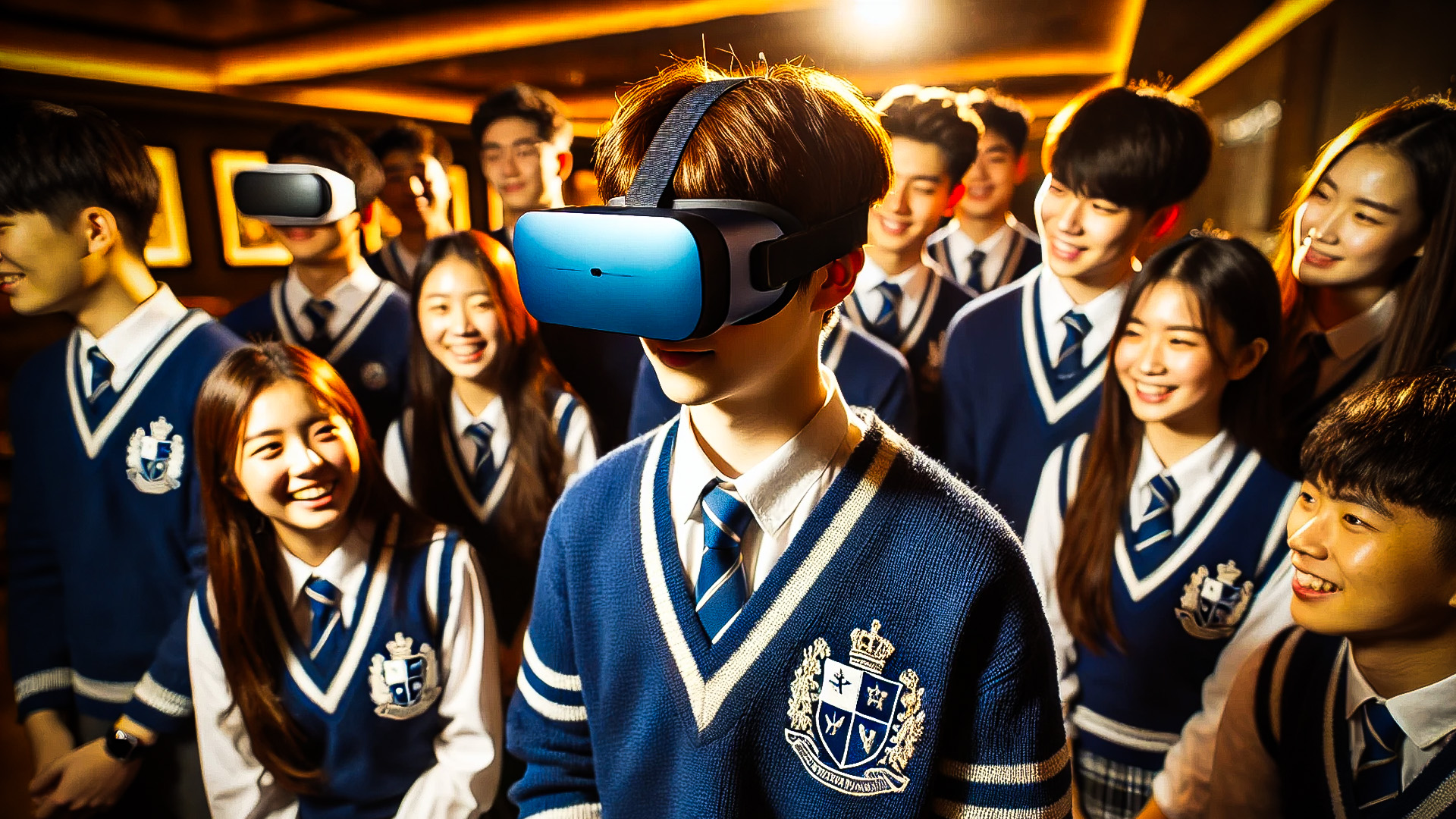
One of the most significant advantages of VR in education is its ability to engage students like never before. Traditional teaching methods often rely heavily on passive learning, where students are expected to absorb information presented to them. VR, however, turns learning into an active experience. Students can interact with virtual environments, manipulate objects, and engage in simulations that make learning feel more like play. This level of engagement not only makes learning more enjoyable but also enhances retention, as students are more likely to remember experiences they were actively involved in.
Enhancing Retention and Understanding Through VR
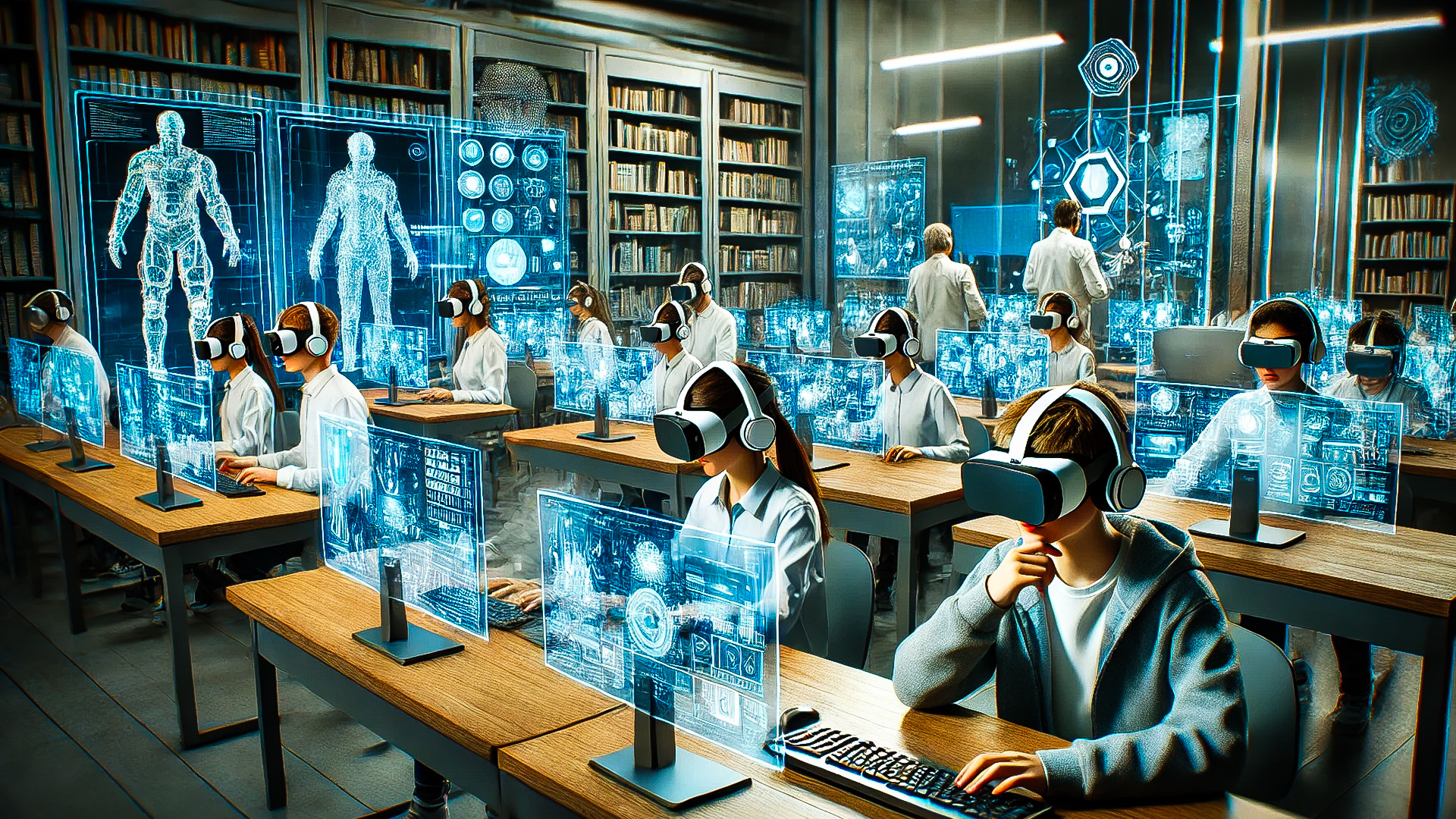
The immersive nature of VR helps to deepen understanding and retention of information. When students are placed in a virtual environment where they can explore and interact with content, they are more likely to retain the information presented. For example, a student studying the human anatomy can use VR to walk through a virtual body, exploring organs and systems in a way that textbooks cannot replicate. This hands-on approach allows students to learn through experience, which is often more effective than traditional methods.
Bridging the Gap Between Theory and Practice
One of the most challenging aspects of education is bridging the gap between theoretical knowledge and practical application. VR excels in this area by allowing students to apply what they’ve learned in a simulated environment. For instance, in a science class, students can conduct virtual experiments, testing hypotheses and observing results without the constraints of a physical lab. This not only reinforces theoretical concepts but also builds critical thinking and problem-solving skills, better preparing students for real-world challenges.
Breaking Down Barriers: Accessibility and Inclusivity
How VR is Making Education Accessible to All Students
In a country as diverse as South Africa, ensuring equal access to quality education is a significant challenge. VR has the potential to level the playing field by making high-quality educational resources accessible to all students, regardless of their location or socioeconomic status. Through VR, students in remote or underprivileged areas can gain access to the same educational experiences as their peers in more affluent areas. This democratization of education can help to close the gap between different schools and communities, fostering a more equitable educational landscape.
Reducing the Urban-Rural Educational Divide
The urban-rural divide is a persistent issue in South Africa’s education system. Students in rural areas often lack access to the same resources and opportunities as those in urban centers. VR offers a solution to this problem by bringing the world to the students, no matter where they are. Through virtual field trips, students in rural schools can explore places they might never visit in person, broadening their horizons and enriching their education. This not only enhances their learning experience but also inspires them to aspire to greater achievements.
Empowering Students with Disabilities through VR
Students with disabilities often face additional challenges in the traditional classroom. VR can be a powerful tool in making education more inclusive and accessible for these students. For instance, VR can create tailored learning environments that cater to the specific needs of students with physical, sensory, or cognitive disabilities. By removing physical barriers and providing alternative ways to engage with content, VR can help these students participate more fully in the learning process, building their confidence and fostering a sense of belonging.
Success Stories: VR in South African Classrooms
Case Studies of Schools Implementing VR
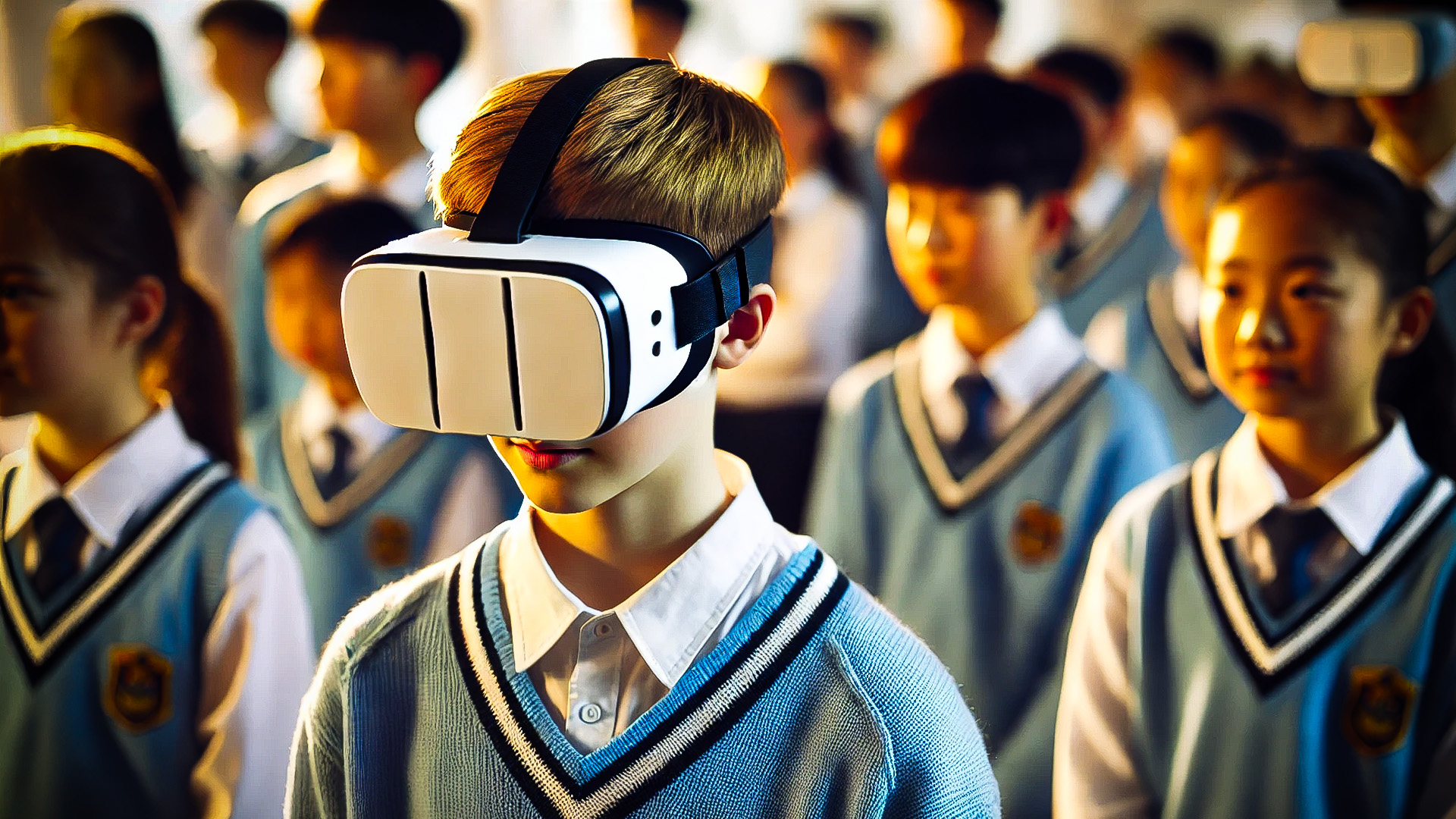
Across South Africa, several schools are already reaping the benefits of VR in education. For example, a school in Cape Town has integrated VR into its science curriculum, allowing students to conduct virtual experiments that would otherwise be impossible due to limited resources. Another school in Johannesburg has used VR to enhance its history lessons, enabling students to virtually visit historical sites and gain a deeper understanding of the country’s past. These case studies demonstrate the transformative impact of VR on education, highlighting its potential to enrich learning experiences and improve student outcomes.
Teacher and Student Testimonials
Teachers and students who have experienced VR in the classroom often speak passionately about its benefits. One teacher from a rural school in KwaZulu-Natal noted that VR had “completely transformed” her lessons, making abstract concepts more tangible and engaging for her students. A student from the same school described VR as “like stepping into a whole new world,” explaining how it made learning more exciting and enjoyable. These testimonials underscore the powerful impact that VR can have on both teaching and learning, making education more dynamic and accessible for all.
Measurable Improvements in Student Outcomes
The introduction of VR in South African classrooms has led to measurable improvements in student outcomes. In schools that have adopted VR, there has been a noticeable increase in student engagement, as well as improvements in test scores and overall academic performance. Furthermore, students are developing critical skills such as problem-solving, creativity, and collaboration—skills that are essential for success in the 21st century. These improvements highlight the potential of VR to not only enhance the learning experience but also to drive tangible academic success.
The Role of Government and Private Sector in Promoting VR
Government Initiatives to Support VR in Education
The South African government has recognized the potential of VR in education and has begun to explore ways to integrate it into the national curriculum. Several pilot programs have been launched in partnership with educational institutions and technology providers, aimed at testing the effectiveness of VR in the classroom. These initiatives are an important step towards mainstreaming VR in South African schools, providing a framework for its broader adoption and ensuring that students across the country can benefit from this innovative technology.
Private Sector Contributions and Partnerships
The private sector also plays a crucial role in promoting VR in education. Many technology companies are partnering with schools and educational organizations to provide VR equipment, software, and training. These partnerships are essential in making VR accessible to a wider range of schools, particularly those in under-resourced areas. Additionally, private companies are investing in the development of educational
content specifically designed for the South African context, ensuring that VR experiences are relevant and culturally appropriate.
Funding and Resources Available for Schools
One of the main challenges in implementing VR in South African schools is securing the necessary funding and resources. However, there are several avenues available for schools seeking to adopt this technology. Government grants, private sector sponsorships, and international aid programs are all potential sources of funding for VR initiatives. Additionally, some organizations offer VR equipment and software at reduced costs or even for free, making it more accessible to schools with limited budgets. By leveraging these resources, more schools can take advantage of the benefits that VR has to offer.
Challenges and Considerations
Overcoming Financial and Technical Barriers
While the potential benefits of VR in education are immense, there are also significant challenges to overcome. One of the biggest obstacles is the cost of VR equipment and software, which can be prohibitively expensive for many schools. Additionally, technical barriers such as the need for reliable internet access and adequate infrastructure can also pose challenges. However, by exploring creative solutions such as shared resources, partnerships, and incremental implementation, schools can begin to overcome these barriers and make VR a reality in their classrooms.
Ensuring Equitable Access to VR Tools
Another important consideration is ensuring that all students have equitable access to VR tools. In a country with significant socioeconomic disparities, it is essential to address the risk of VR exacerbating existing inequalities. Schools and policymakers must work together to ensure that VR is accessible to all students, regardless of their background or location. This may involve targeted funding, inclusive policies, and community engagement to ensure that the benefits of VR are shared by all.
Addressing Concerns About Screen Time and Health
As with any technology, the use of VR in education raises concerns about screen time and its potential impact on health. Prolonged use of VR headsets can cause discomfort, eye strain, and even motion sickness in some users. Additionally, there are concerns about the impact of increased screen time on students’ physical and mental well-being. It is important for educators to be mindful of these risks and to implement VR in a way that prioritizes the health and well-being of students. This may involve setting time limits, incorporating breaks, and ensuring that VR is used as a complement to, rather than a replacement for, traditional teaching methods.
The Future of Virtual Reality in South African Schools
Upcoming Innovations in Educational VR
The field of VR is constantly evolving, with new innovations emerging that promise to further enhance its educational potential. From more affordable and user-friendly VR equipment to advanced AI-driven simulations, the future of educational VR is bright. In South Africa, these innovations could help to overcome some of the current barriers to adoption, making VR more accessible and effective for a wider range of schools. Additionally, as the technology continues to evolve, new applications for VR in education will undoubtedly emerge, offering even more opportunities to enrich the learning experience.
Predictions for Widespread Adoption
While the widespread adoption of VR in South African schools may still be a few years away, the trajectory is clear. As more schools begin to experiment with VR and see its benefits firsthand, it is likely that demand for this technology will grow. Over time, as costs decrease and access improves, VR could become a standard part of the educational toolkit, used in classrooms across the country. This shift will require continued investment, collaboration, and innovation, but the potential rewards are well worth the effort.
Long-Term Benefits for South African Education
The long-term benefits of VR in South African education are significant. By making learning more engaging, accessible, and effective, VR has the potential to improve educational outcomes for students across the country. Additionally, by equipping students with the skills and knowledge they need to thrive in a digital world, VR can help to prepare the next generation for success in an increasingly technology-driven economy. Ultimately, the integration of VR into South African schools could play a key role in transforming the country’s education system, helping to create a more equitable and prosperous future for all.
The Impact of Virtual Reality on the Next Generation
Virtual reality is more than just a technological innovation—it is a powerful tool that has the potential to transform education in South Africa. By enhancing the learning experience, breaking down barriers, and preparing students for the future, VR can help to address some of the most pressing challenges facing the country’s education system. As we look to the future, it is essential that educators, policymakers, and the private sector work together to embrace this change and ensure that all students have the opportunity to benefit from the power of VR. The future of South African education is bright, and with the right support, VR can help to light the way.
