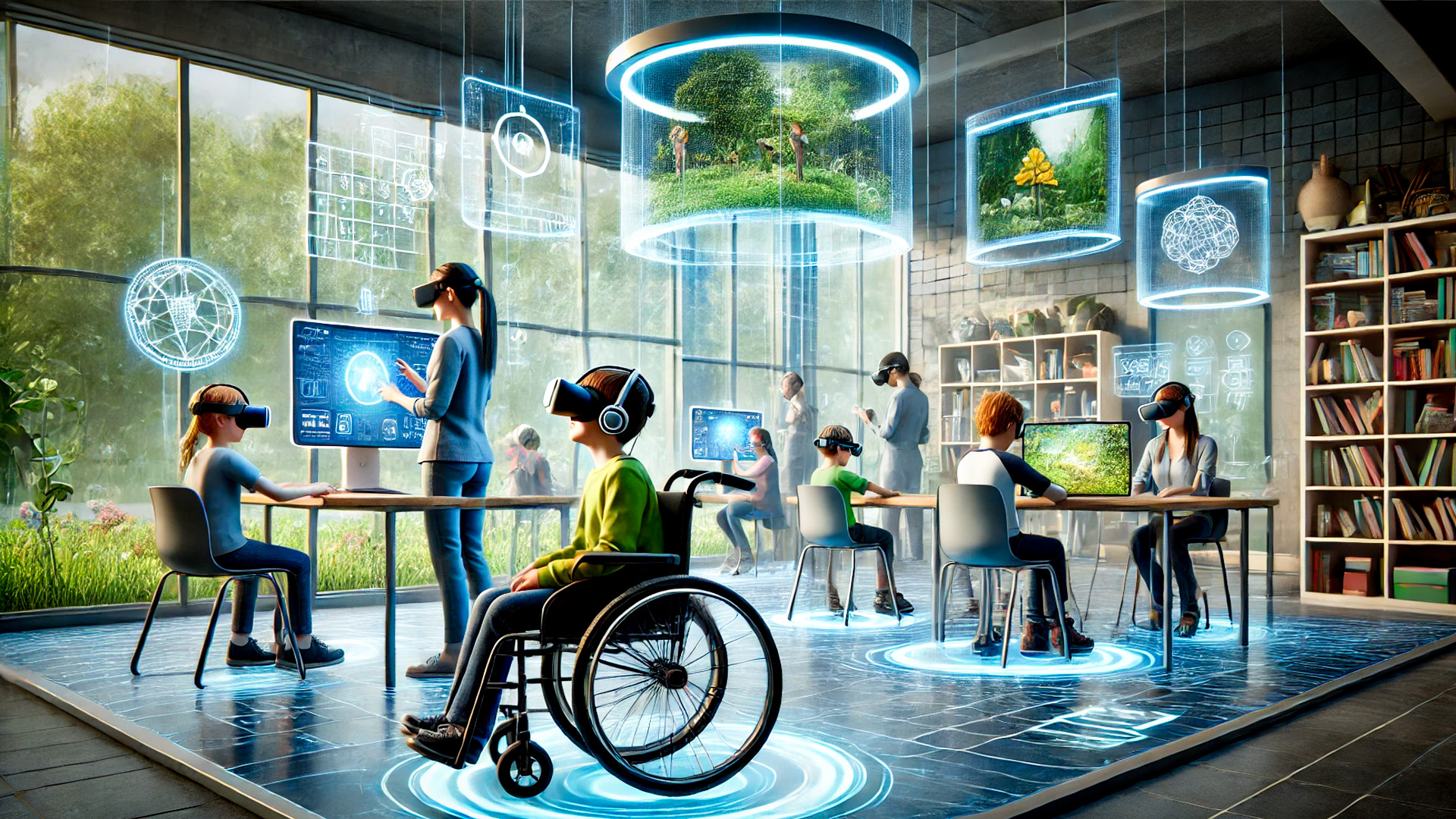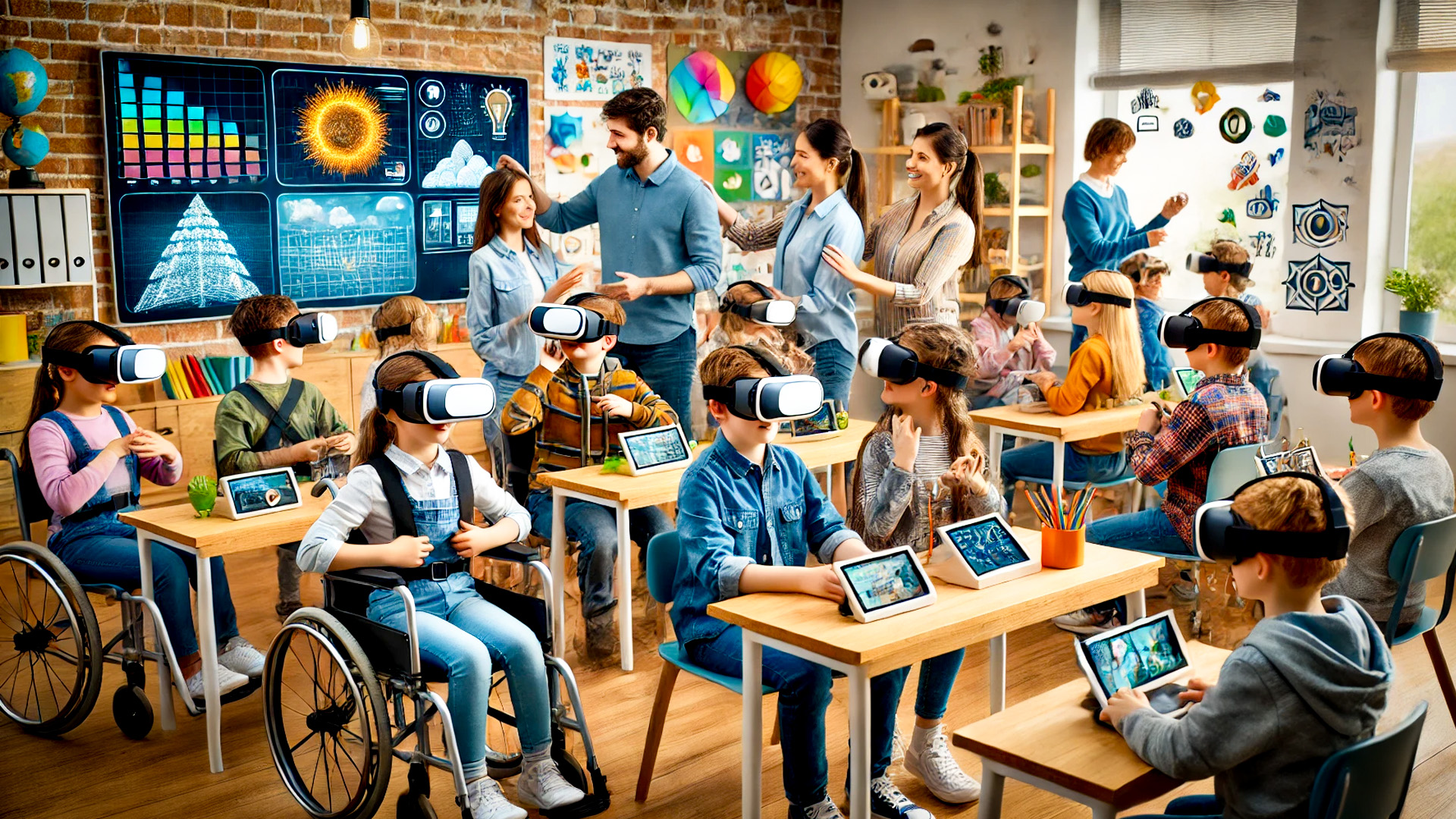

Virtual Reality (VR) is revolutionizing the educational landscape, offering immersive, adaptable, and engaging environments for learners. In the realm of special education, where students often face unique challenges, VR stands as a game-changing tool. It allows educators to break down barriers, providing tailored learning experiences that meet the specific needs of each student. From enhancing focus and motivation to making abstract concepts tangible, VR’s role in special education is rapidly expanding. This technology has the potential to transform not only how students learn but how they experience the world around them.
Understanding Special Education and Learning Disabilities
Defining Special Education: What It Means for Students
Special education is a tailored approach to instruction designed to meet the unique needs of students with learning disabilities or special needs. Unlike traditional education, which may not address the diverse cognitive, emotional, or physical challenges faced by these students, special education provides customized support to help them succeed. This approach focuses on developing individualized education plans (IEPs), which outline specific goals, strategies, and accommodations necessary for each student to achieve their fullest potential. By emphasizing inclusivity and personalized learning, special education ensures that every student receives the necessary resources and support to thrive academically and socially, despite their challenges.
Types of Learning Disabilities and Special Needs VR Can Address
VR technology offers promising solutions for a range of learning disabilities and special needs. For instance, dyslexia can be supported through interactive VR environments that provide multisensory reading experiences, helping students engage with text in novel ways. Students with Attention Deficit Hyperactivity Disorder (ADHD) can benefit from VR’s immersive and focused environments, which can help improve concentration and reduce distractions. For those on the autism spectrum, VR can facilitate social skills training and communication practice in controlled, simulated settings. Additionally, VR can assist students with physical disabilities by providing accessible virtual experiences that overcome limitations associated with mobility or physical participation in traditional classroom activities. By tailoring virtual experiences to address these diverse needs, VR can enhance educational opportunities for all students.
Current Challenges in Special Education and How VR Offers Solutions
Special education often faces several challenges, including the difficulty of personalizing learning experiences, limited resources, and maintaining student engagement. Traditional methods may struggle to address the unique needs of each student effectively, leading to gaps in support and engagement. VR technology presents a solution by creating immersive, interactive learning environments that can be customized to meet individual needs. VR enables educators to design dynamic and adaptable experiences that can cater to various learning styles and disabilities. This technology allows students to interact with content in a more engaging and meaningful way, overcoming barriers that traditional methods may not address. By transforming the learning environment into an active and participatory space, VR helps bridge gaps in special education and offers new pathways for student success and engagement.
The Benefits of VR in Special Education
Personalized Learning: How VR Adapts to Individual Needs
VR’s ability to offer personalized learning experiences is a game-changer in special education. It tailors the educational content, pace, and complexity to fit each student’s unique needs and learning style. For example, a student who struggles with reading comprehension can benefit from VR environments that present information through visual and auditory means, allowing them to process material in a way that suits their strengths. Conversely, students who need more advanced challenges can engage with content that pushes their boundaries. VR’s adaptability ensures that every student has access to learning experiences that match their individual requirements, making differentiation more intuitive and effective.
Creating Immersive and Engaging Educational Environments
VR transforms education by immersing students in richly detailed, multisensory environments that bring abstract concepts to life. For instance, students with spatial reasoning challenges can explore a virtual 3D model of a molecule, allowing them to understand its structure through interaction rather than static images. Similarly, learners can step into virtual recreations of historical events, experiencing them firsthand. These immersive experiences make complex subjects more tangible and engaging, helping students grasp difficult concepts and retain information more effectively. By turning learning into an interactive adventure, VR enhances students’ ability to understand and engage with educational material on a deeper level.
Enhancing Motivation and Reducing Learning Anxiety
Traditional classroom settings can sometimes exacerbate stress and anxiety for students with special needs, making learning a challenging experience. VR addresses this issue by creating a low-pressure, controlled environment where students can explore and learn at their own pace. The instant feedback and gamified elements of VR transform learning into a positive, engaging experience. Students can practice skills without fear of judgment, building confidence and reducing anxiety. The playful, interactive nature of VR not only motivates students to tackle new challenges but also fosters a positive attitude toward learning. By providing a supportive and stimulating environment, VR helps create a more enjoyable and effective educational experience for students with special needs.
Tailored Educational Experiences Through VR
Virtual Classrooms: Providing Safe and Interactive Learning Spaces
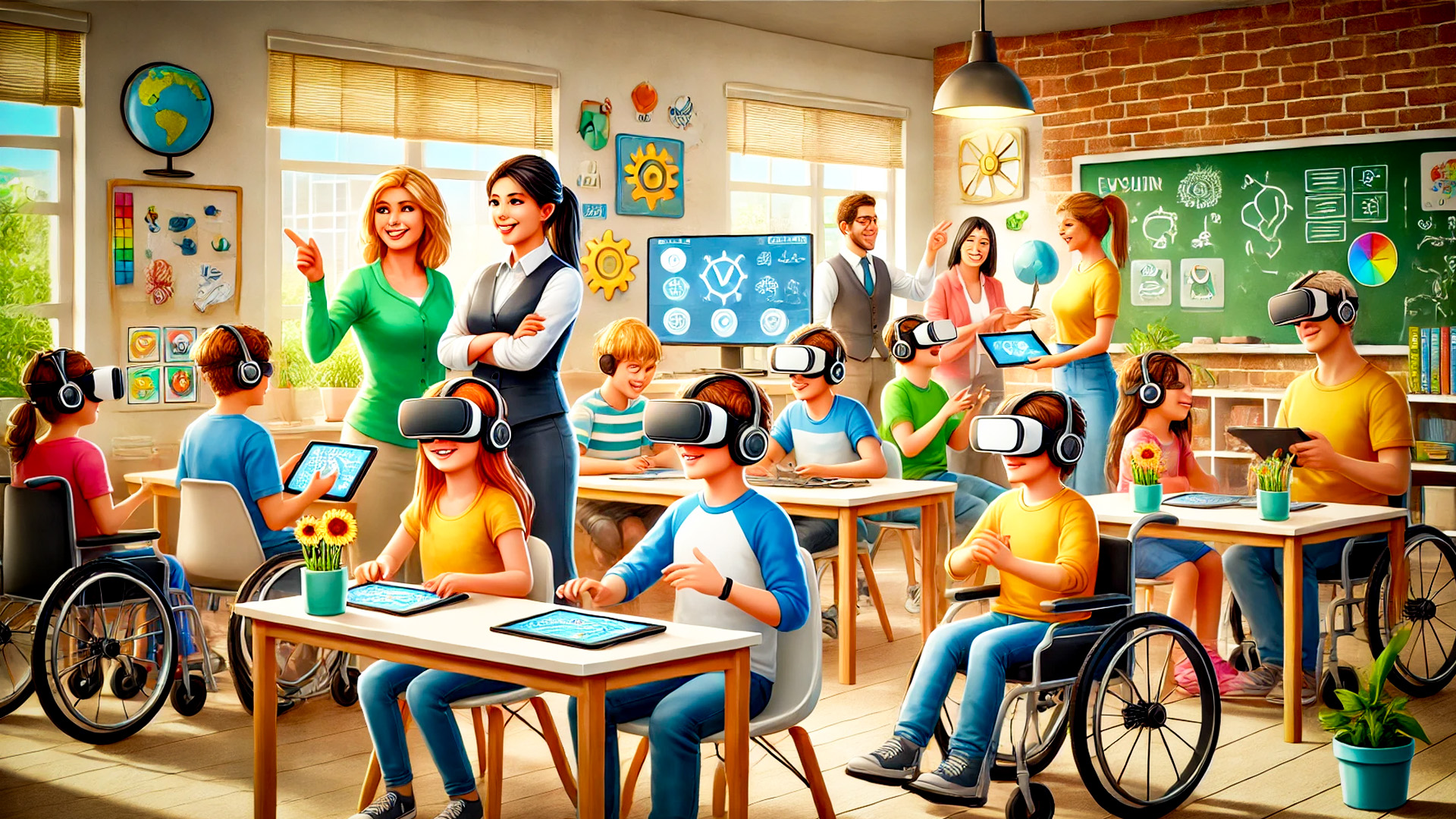
VR offers the ability to create both realistic and imaginative virtual classrooms, delivering a safe, controlled environment for students to learn and interact. These virtual spaces replicate traditional classroom settings or present entirely new educational landscapes, free from the common distractions and pressures of physical classrooms. For students with special needs, VR provides a flexible and supportive environment where they can engage with peers, explore concepts interactively, and participate in discussions at their own pace. This adaptability fosters an inclusive atmosphere that supports active participation and personalized growth, helping students feel more comfortable and confident in their learning journey.
Gamified Learning: Making Education Fun and Accessible
Incorporating gamification into VR transforms traditional education into an engaging and interactive experience. By turning learning into dynamic games, VR enables students to explore and understand educational content through play. These educational games are designed to be both entertaining and educational, with adaptive features that adjust challenges based on individual progress. This approach not only makes learning more enjoyable but also motivates students to persist and excel. The sense of achievement gained from overcoming game-based challenges encourages continuous learning and reinforces key concepts in a way that traditional methods may not.
Real-Life Simulations: Preparing Students for Everyday Challenges
VR’s capability to create detailed real-life simulations is particularly beneficial for students with special needs, offering practical preparation for everyday challenges. Through immersive scenarios, students can practice and refine essential life skills, such as social interactions, navigating public spaces, and handling various situations they might encounter outside the classroom. For students with autism or anxiety disorders, VR provides a safe space to repeatedly engage in these scenarios, allowing them to build confidence and reduce stress. By rehearsing real-life situations in a controlled virtual environment, students can gain valuable experience and better prepare for the complexities of daily life.
The Benefits of VR in Special Education
Visual Learning Tools for Students with Dyslexia
For students with dyslexia, VR provides an invaluable visual learning alternative to traditional text-based instruction. Instead of relying heavily on written material, VR can present information through engaging videos, interactive 3D models, and visually-rich simulations. These tools enable students to understand and retain complex concepts through visual and tactile experiences, which can be easier to process than text. By focusing on visual and interactive elements, VR helps students with dyslexia overcome the challenges of reading-intensive subjects, allowing them to grasp key ideas and stay engaged in their learning process.
Building Focus and Attention for Students with ADHD
Students with ADHD often struggle with maintaining focus in traditional classroom settings. VR’s immersive and structured environments offer a solution by creating engaging, distraction-free spaces that help sustain attention. The interactive nature of VR keeps students actively involved, reducing the likelihood of wandering attention. Additionally, VR can be designed with adaptive features that allow for regular breaks and resets tailored to each learner’s attention span. This structured flexibility helps students with ADHD manage their focus more effectively, making the learning experience more productive and tailored to their needs.
Improving Social Skills for Students on the Autism Spectrum
Developing social skills can be particularly challenging for students on the autism spectrum. VR offers a controlled, simulated environment where these students can practice and enhance their social interactions. By participating in virtual scenarios that replicate real-life social situations, students can learn and rehearse communication, empathy, and collaboration skills in a safe, non-threatening space. This practice helps them build confidence and comfort with social dynamics, making it easier to navigate complex social interactions in the real world. VR’s ability to simulate various social contexts provides valuable opportunities for growth and skill development.
Overcoming Physical Barriers with VR Technology
VR as a Tool for Students with Mobility Challenges
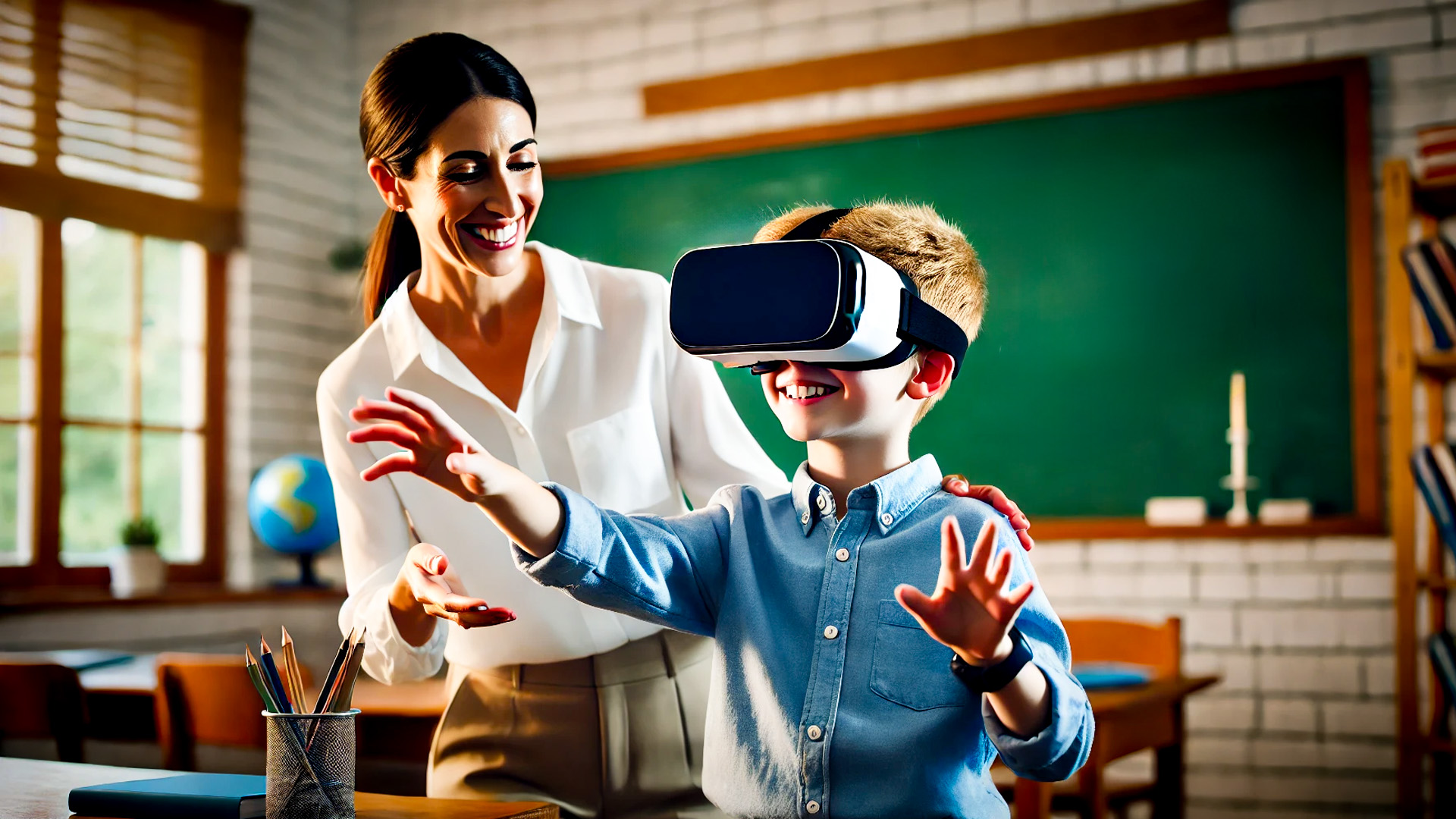
For students with mobility challenges, VR opens up a world of possibilities that might be otherwise inaccessible. In a virtual environment, physical limitations are virtually eliminated, allowing these students to explore and engage with activities that they might struggle with in the real world. For example, VR can simulate activities like virtual field trips, interactive experiments, and even virtual gym classes, providing a level playing field for all students. This enhanced accessibility ensures that students with physical disabilities can fully participate in educational experiences and activities, fostering inclusivity and equal opportunities for learning and engagement.
Virtual Field Trips: Bringing the World to Students Who Cannot Travel
Field trips are an enriching educational experience, but they aren’t always feasible for every student. VR bridges this gap by offering virtual field trips that bring global destinations right into the classroom. Students can explore ancient ruins, delve into the depths of the ocean, or even visit distant planets—all from the comfort of their own learning environment. This technology enables students who are unable to travel physically to experience and learn about the world’s wonders, ensuring that they don’t miss out on these valuable educational opportunities.
Inclusive Sports and Physical Activities through VR
Physical education is crucial for student development, yet traditional sports and physical activities can be challenging for those with disabilities. VR addresses this by creating inclusive virtual sports and physical activities that are adaptable to each student’s abilities. Virtual environments can offer customized sports programs and exercises, allowing students to participate in physical education in a way that suits their needs. By providing opportunities for movement and exercise tailored to individual capabilities, VR promotes physical fitness and engagement for all students, regardless of their physical limitations.
Teacher and Parental Involvement in VR-Based Education
Training Educators to Use VR in Special Education
To maximize the benefits of VR in special education, it’s crucial for educators to receive specialized training. Effective training programs should focus on how to integrate VR into the curriculum, including designing adaptive and personalized learning experiences tailored to individual student needs. These programs can guide teachers in selecting appropriate VR applications, developing interactive content, and utilizing VR tools to enhance instructional methods. As educators become proficient with VR technology, they will be better equipped to leverage its full potential, leading to improved educational outcomes and more engaging learning experiences for students with special needs.
Parental Support: Helping Parents Understand and Leverage VR
For VR to be truly effective in supporting students’ education, it’s essential that parents understand its benefits and how to use it to complement their child’s learning. Schools can provide resources and workshops to educate parents about how VR can aid in their child’s development, offering practical examples and strategies for reinforcement at home. By fostering an understanding of VR’s role and potential, parents can better support their child’s educational journey and collaborate with educators to enhance the learning experience. This involvement helps ensure that the advantages of VR-based education extend beyond the classroom.
Collaborative Learning: Connecting Students, Teachers, and Parents through VR
VR has the potential to create a cohesive learning environment that connects students, teachers, and parents in a collaborative ecosystem. In a virtual classroom, teachers can interact with students in real-time, providing immediate feedback and support. Parents can observe and participate in their child’s educational activities, gaining insights into their progress and areas of focus. This interconnected approach fosters a more comprehensive understanding of each student’s needs and ensures that educational goals are aligned and supported from multiple fronts. By bridging these connections, VR enhances communication and collaboration, contributing to a more effective and inclusive educational experience.
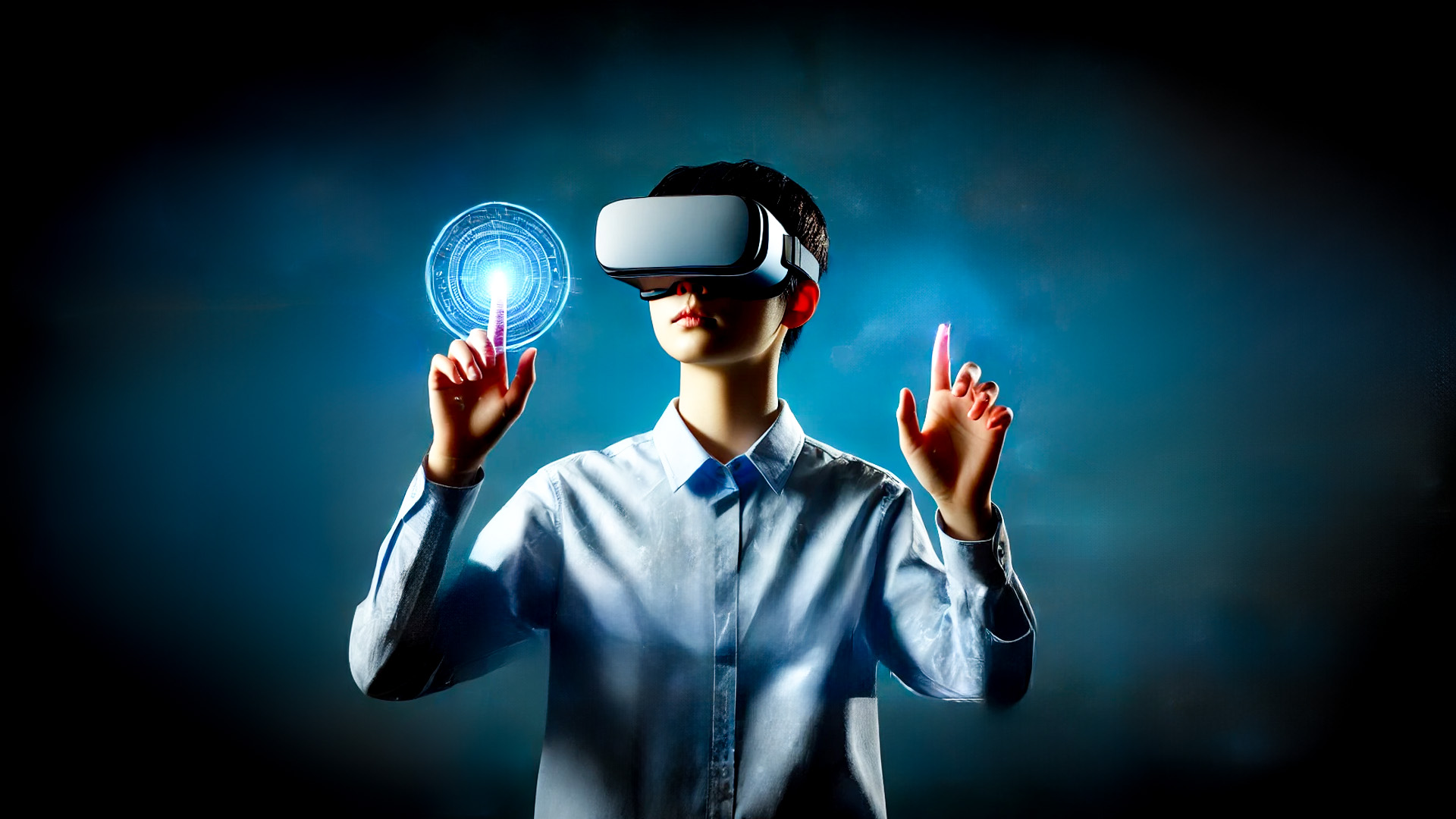
The Future of VR in Special Education
Advancements in VR Technology for Special Needs Education
The future of VR technology in special education is bright, with continuous advancements promising even greater benefits. Innovations such as enhanced haptic feedback, which provides tactile sensations to simulate physical interactions, and advanced eye-tracking systems that monitor and respond to a student’s gaze, will make virtual environments more immersive and responsive. Additionally, adaptive algorithms will enable VR to tailor experiences based on individual needs, making it possible to address a broader range of special needs with greater precision. These technological developments will create more inclusive learning environments, enhancing accessibility and engagement for students with various challenges.
The Role of AI and Machine Learning in Creating Adaptive VR Experiences
AI and machine learning are set to transform VR in special education by providing highly personalized learning experiences. These technologies can analyze data from students’ interactions within VR, identifying their learning patterns, strengths, and areas needing improvement. Based on this analysis, AI can adjust the difficulty of tasks, modify the virtual environment, and offer tailored support to each student. This adaptability ensures that learning experiences evolve with the student, addressing their specific needs and preferences. As a result, VR becomes a more dynamic and effective tool for supporting diverse educational requirements.
How VR Could Revolutionize Inclusive Education in the Coming Decade
In the coming decade, VR has the potential to become a foundational element of inclusive education. As the technology advances and becomes more cost-effective, its integration into special education programs is expected to increase significantly. VR will offer new ways to engage students with diverse needs, making education more accessible and personalized. This shift could transform traditional educational methods, fostering a learning environment where every student has the opportunity to succeed. By breaking down barriers and providing adaptable, immersive experiences, VR could redefine inclusive education, making it more equitable and engaging for all learners.
VR as a Catalyst for Empowering Students with Special Needs
Virtual Reality is revolutionizing special education by acting as a powerful catalyst for empowerment. It dismantles traditional barriers, providing students with special needs access to educational experiences tailored specifically to their abilities. Through immersive and personalized virtual environments, VR enables students to engage with content in ways that were previously impossible, addressing their unique learning styles and challenges. Additionally, VR promotes collaboration by allowing students to interact with peers and educators in new, meaningful ways. As VR technology advances, its potential to create more inclusive, dynamic, and effective learning environments will continue to grow, making it a central force in the transformation of special education.