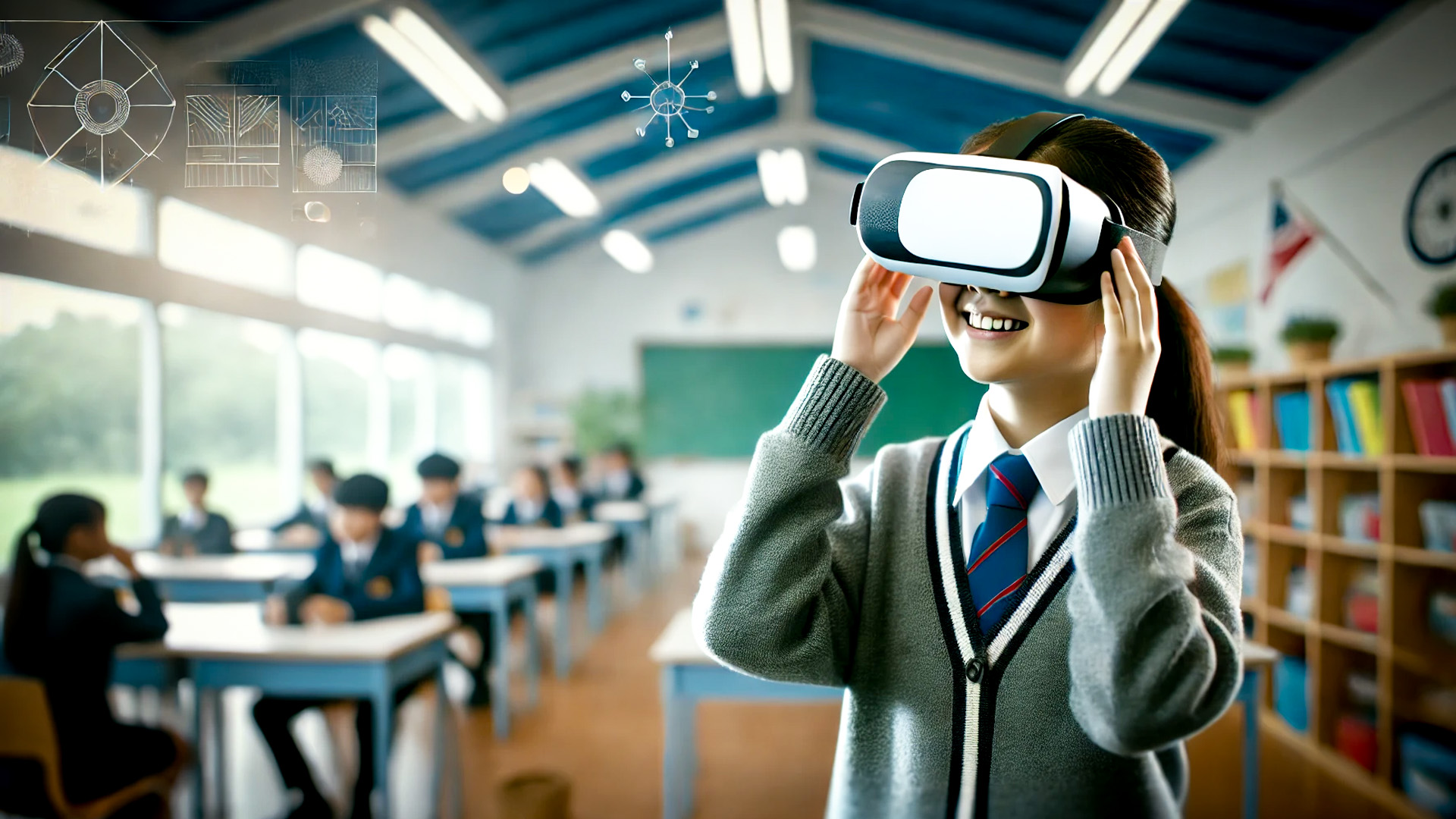
In an increasingly complex world, soft skills—such as communication, teamwork, and problem-solving—are pivotal to both personal and professional success. These competencies are essential for navigating today’s multifaceted environments, where the ability to collaborate effectively, lead diverse teams, and adapt to changing circumstances can make or break opportunities. Unlike hard skills, which are quantifiable and often involve technical expertise, soft skills are more nuanced and deeply rooted in human interaction. They are the subtle, yet powerful, traits that facilitate effective communication, foster strong working relationships, and drive innovative solutions to complex challenges. Traditional educational methods, while valuable in imparting foundational knowledge and technical skills, may not fully address the dynamic nature of soft skills development. Conventional classrooms and training programs often focus on theoretical learning and may lack the interactive and experiential elements crucial for mastering these competencies.
This is where Virtual Reality (VR) steps in as a transformative educational tool. Initially celebrated for its role in gaming and entertainment, VR has evolved into a versatile platform for immersive learning experiences. By creating lifelike virtual environments, VR allows users to engage in simulated scenarios that mirror real-world interactions and challenges. This immersive quality of VR offers a unique opportunity to practice and refine soft skills in a controlled yet realistic setting. For instance, VR can simulate high-stakes business meetings, collaborative projects, or conflict resolution scenarios, providing users with the chance to experience and navigate these situations as if they were occurring in real life. Such experiences can be instrumental in developing and honing soft skills by allowing individuals to practice communication strategies, teamwork dynamics, and problem-solving techniques in a way that traditional methods may not fully replicate.
Exploring VR as a medium for soft skill development represents not just an academic endeavor but a practical examination of how cutting-edge technology can complement and enhance established educational approaches. By integrating VR into learning frameworks, educators and trainers can offer more engaging and effective pathways for individuals to develop the soft skills crucial for success in today’s evolving world. This innovative approach holds the potential to bridge gaps in traditional education, making the acquisition of essential soft skills more accessible and impactful.
The Power of Virtual Reality in Education
Virtual Reality (VR) has revolutionized the educational landscape by dramatically transforming conventional learning methods. Unlike traditional approaches that often rely on passive observation, VR introduces an immersive learning experience that actively engages students. Instead of merely reading about historical events or scientific phenomena from textbooks, students can now experience them firsthand through VR simulations. This immersive approach not only makes learning more engaging but also fosters a deeper understanding and retention of knowledge. By stepping into virtual reconstructions of historical events or exploring complex scientific concepts in 3D, students can visualize and interact with content in ways that traditional methods can’t match.
Moreover, VR’s ability to create engaging and interactive lessons is unmatched. Traditional educational methods can sometimes struggle to maintain student interest, particularly when dealing with abstract or challenging topics. VR addresses this challenge by offering dynamic and interactive experiences that transform lessons from mere rote memorization into active participation. Students can engage with educational content through simulations, virtual experiments, and interactive storytelling, making learning a more active and enjoyable process.
Another significant advantage of VR is its provision of simulated real-world practice within a controlled environment. In VR, students can confront complex scenarios, such as conducting scientific experiments or managing business operations, without the fear of real-world consequences. This safety net encourages experimentation and learning from mistakes, allowing students to develop problem-solving and critical-thinking skills in a supportive setting. For example, students can practice surgical procedures or explore economic models through virtual simulations, gaining valuable experience and insights that would be difficult to achieve through traditional methods.
Communication Skills: Enhancing Interaction Through VR
Virtual Reality also offers innovative avenues for enhancing communication skills. In virtual environments, students can practice both verbal and non-verbal communication within realistic scenarios that demand effective interaction. This immersive practice helps refine their ability to convey and interpret messages accurately. For instance, VR simulations can recreate negotiation scenarios or group discussions, allowing students to develop their communication strategies in a controlled yet realistic setting.
Public speaking and presentation skills, often daunting for many students, can be significantly improved through VR. By simulating speaking engagements in front of virtual audiences, students can rehearse their presentations and receive immediate feedback. This virtual practice helps them overcome nervousness and build a more confident, articulate delivery. Additionally, VR can simulate different audience reactions and settings, providing a comprehensive training experience that prepares students for real-life speaking engagements.
Active listening and feedback are crucial components of effective communication, and VR scenarios can be designed to emphasize these skills. By participating in interactive simulations that require attentive listening and constructive feedback, students can practice and internalize these essential communication skills. Repeated exposure to these scenarios helps in ingraining these abilities, making them more intuitive and effective in real-world interactions. Through VR, students can enhance their communication prowess, preparing them for successful interactions both in academic settings and beyond.
Teamwork and Collaboration: Building Stronger Teams in Virtual Spaces
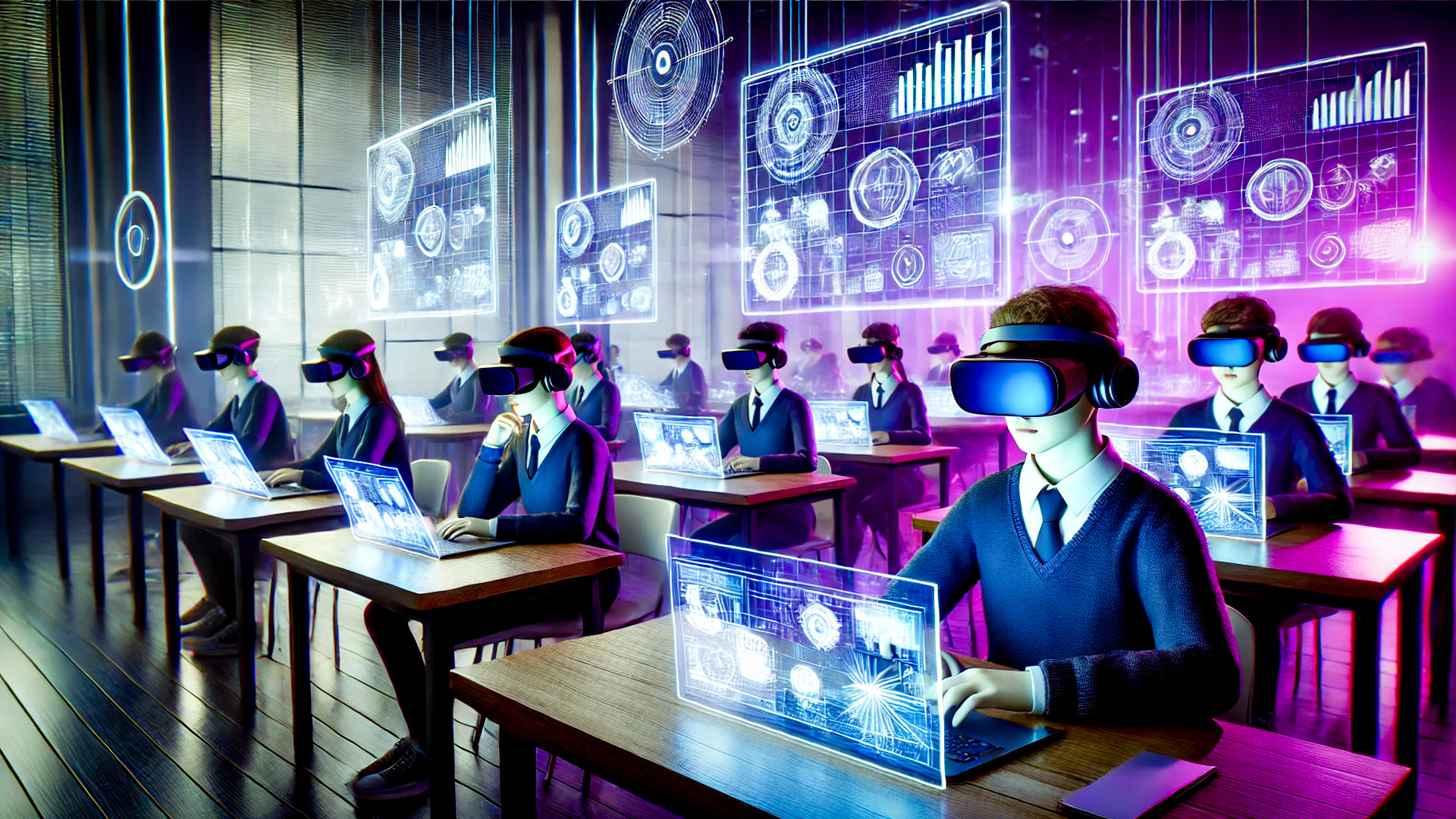
The collaborative nature of Virtual Reality (VR) offers unique advantages for fostering teamwork and cooperation. Through immersive virtual projects and interactive tasks, students engage in activities that require active coordination and collaboration with peers. VR environments simulate real-world teamwork scenarios, allowing students to manage roles, communicate effectively, and work towards shared objectives in a controlled setting. These virtual experiences are invaluable for teaching the nuances of effective collaboration, as they provide a dynamic and engaging platform for students to practice and refine their teamwork skills.
Conflict resolution is another critical area where VR can significantly enhance learning outcomes. Virtual environments can be programmed to recreate various team conflicts and challenging interpersonal situations. By navigating these simulated disputes, students gain practical experience in addressing and resolving conflicts constructively. This exposure helps them develop strategies for negotiation and compromise, which are essential for any collaborative endeavor. The safe, controlled nature of VR allows students to experiment with different conflict resolution techniques without the risk of real-world repercussions, fostering a deeper understanding of how to handle disagreements professionally.
Building trust and cooperation among team members is fundamental to effective teamwork, and VR exercises can play a crucial role in this aspect. By designing VR scenarios that emphasize trust-building and cooperation, educators can help students learn how to establish and maintain trust, communicate openly, and work harmoniously with others. VR simulations that mirror real-life group dynamics enable students to practice and develop their ability to foster a positive team environment. These exercises simulate the complexities of group interactions, such as managing differing opinions and coordinating efforts towards common goals, preparing students to excel in collaborative settings both within and outside the classroom.
Overall, VR provides a transformative approach to developing teamwork and collaboration skills. By immersing students in realistic and interactive virtual environments, VR not only enhances their ability to work effectively as part of a team but also equips them with essential skills for navigating complex interpersonal dynamics. As educational institutions continue to explore and integrate VR into their programs, its potential to build stronger, more cohesive teams becomes increasingly evident, offering students valuable preparation for future collaborative endeavors.
Problem-Solving and Critical Thinking: Developing Analytical Skills with VR
Virtual Reality excels at presenting problem-solving challenges that push students to think critically and analytically. Interactive VR scenarios create complex problems that require thoughtful analysis and creative solutions. This immersive approach not only enhances students’ problem-solving abilities but also encourages them to explore unconventional solutions and think outside the box.
Scenario-based learning in VR environments allows students to apply critical thinking in realistic contexts. By engaging in virtual scenarios that replicate real-world situations, students develop the skills necessary to analyze problems, evaluate potential solutions, and make informed decisions. This hands-on approach solidifies their understanding of critical thinking principles and demonstrates their application in practical settings.
Decision-making skills are particularly honed through VR by simulating complex environments where choices have significant consequences. This training enables students to practice making well-informed decisions under pressure, preparing them for real-life situations that require quick and effective problem resolution. VR scenarios can mimic high-stakes environments, helping students build confidence and competence in their decision-making abilities.
Case Studies: Successful Implementation of VR for Soft Skill Development
Several schools and institutions have successfully integrated VR into their curricula to enhance soft skill development. For instance, some educational settings have used VR to improve communication and teamwork among students, leading to more engaging and effective learning experiences. These case studies highlight the practical benefits of VR, showing how it can enrich traditional educational methods.
In the corporate world, VR has also been employed to develop employee soft skills. Businesses have utilized VR simulations for training in communication, teamwork, and problem-solving, resulting in improved performance and greater efficiency in the workplace. These corporate training programs demonstrate VR’s potential to address key skill gaps and enhance professional development.
Research and outcomes from various studies underscore the effectiveness of VR in soft skill development. Evidence indicates that VR can significantly enhance students’ communication abilities, teamwork, and problem-solving skills. These findings provide a compelling case for the continued use of VR in educational settings, suggesting that it offers a valuable and innovative approach to developing essential soft skills.

Creating Effective VR Programs for Soft Skills Training
Designing engaging Virtual Reality (VR) content requires a strategic and thoughtful approach to ensure its effectiveness in soft skills training. Best practices for developing VR experiences that focus on soft skills include crafting realistic scenarios, integrating interactive elements, and aligning content with specific educational objectives. Realistic scenarios immerse students in environments that closely resemble real-life situations, making the learning experience more relatable and impactful. Interactive elements, such as decision-making processes and dynamic feedback, keep students actively engaged and provide opportunities for practical application of soft skills.
Tailoring VR experiences to meet specific educational goals is crucial for maximizing the effectiveness of soft skills training. Customizing scenarios to address particular skills, such as teamwork or conflict resolution, allows educators to create targeted experiences that directly address learning needs. For instance, a VR scenario designed to enhance communication skills might involve a simulated negotiation or public speaking challenge, while a scenario focused on teamwork could simulate a collaborative project with specific roles and objectives. By aligning VR content with desired outcomes, educators ensure that students gain relevant and actionable skills.
Measuring the success of VR programs is essential for understanding their impact on soft skill development. Effective methods for assessing VR programs include evaluating student performance through pre- and post-assessment tests, gathering feedback from participants about their experiences, and analyzing learning outcomes to determine the program’s overall effectiveness. These metrics provide valuable insights into the efficacy of VR as a tool for soft skills training and help educators refine and improve their VR content.
Future Trends and Innovations in VR for Education
Advancements in VR technology continue to evolve, offering exciting opportunities for enhancing soft skills training. Emerging trends, such as improved graphics, more immersive experiences, and advancements in haptic feedback, are expected to further enhance the effectiveness of VR in education. Enhanced graphical fidelity and realistic environmental simulations can create even more engaging and lifelike learning experiences, while innovations in haptic technology may provide more tactile feedback, enriching the overall immersion.
The integration of VR with other educational tools presents a comprehensive approach to learning. Combining VR with traditional methods, such as classroom instruction, hands-on activities, and digital resources, can create a more robust educational experience. For example, a VR module on teamwork could be complemented by group discussions and collaborative projects, providing a well-rounded approach to skill development that leverages the strengths of each method.
Looking ahead, the future of VR in education holds promising possibilities. Predictions suggest that VR will play an increasingly significant role in teaching and learning, offering innovative ways to develop essential soft skills and transforming the educational landscape. As VR technology continues to advance and become more accessible, its potential to revolutionize soft skills training becomes more apparent. Educators and institutions are encouraged to explore and integrate VR into their programs, harnessing its benefits to prepare students for success in an ever-evolving world.
Virtual Reality represents a transformative tool for developing essential soft skills such as communication, teamwork, and problem-solving. By offering immersive and interactive experiences, VR enhances traditional educational methods and provides students with valuable practice in real-world scenarios. As VR technology continues to advance, its potential to revolutionize soft skills training and reshape the educational landscape becomes increasingly evident.