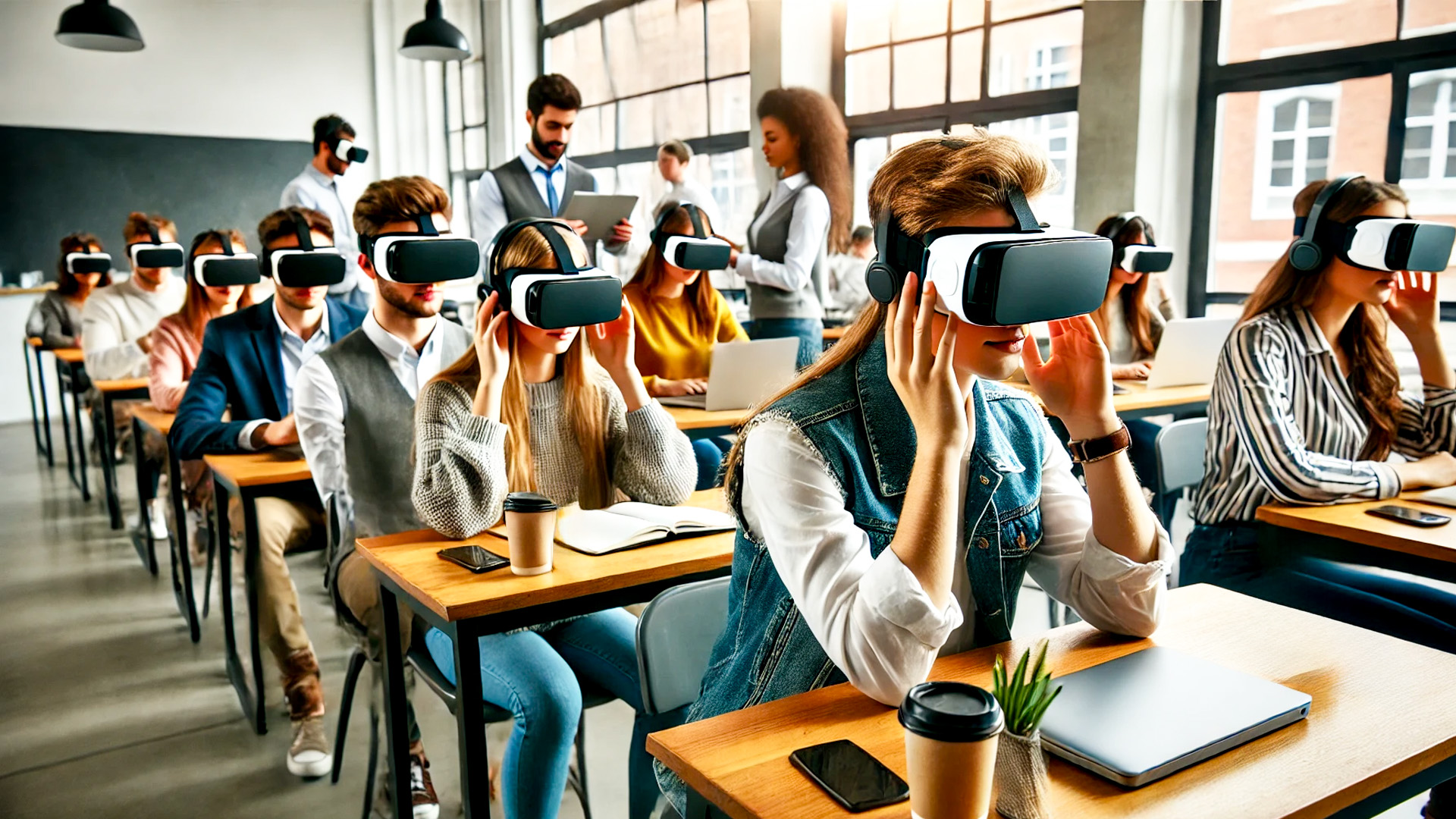

The Promise of Immersive Learning: How VR Transforms Education
Virtual Reality (VR) is no longer a futuristic concept confined to science fiction. It has swiftly moved from novelty to necessity in various sectors, including education. As classrooms evolve, so does the methodology of teaching, and VR stands at the forefront of this transformation. The promise of immersive learning offers students an unprecedented opportunity to engage with content that stimulates multiple senses, making abstract concepts concrete and dull subjects dynamic. When implemented strategically, VR can revolutionize how students perceive learning, turning passive observation into active exploration.
The potential of VR lies in its ability to transcend traditional barriers. No longer bound by textbooks or geographical constraints, students can now walk on the surface of Mars, delve into the intricacies of the human body, or interact with historical figures in a virtual environment. These experiences deepen understanding, and most importantly, they spark curiosity—an essential component of lifelong learning.
Bridging the Gap Between Theory and Experience with Virtual Reality
One of the critical challenges in traditional education is the gap between theory and real-world experience. While textbooks and lectures provide essential knowledge, they often fail to offer opportunities for students to apply what they’ve learned in a hands-on, practical way. Virtual reality (VR) addresses this gap by offering an immersive platform where learners can move beyond passive consumption of information. Rather than just reading about subjects like biology or physics, students can engage with them on a deeper level. For instance, a student learning about ecosystems can virtually step into a rainforest, witnessing biodiversity and interacting with species as if they were physically there. Similarly, instead of merely studying structural engineering, students can build and test bridges in a simulated environment, experimenting with different designs to understand the principles of physics at play.
The immersive nature of VR transforms learning into an interactive experience. Students are no longer confined to traditional methods of education; instead, they become active participants in their learning journey. This interactive learning fosters not only a deeper understanding but also enhances retention of information. Complex topics that might seem abstract or difficult to grasp in a textbook are brought to life through VR, making them more accessible and engaging. The combination of visual, auditory, and kinesthetic elements allows students to experience what they are learning in a multi-sensory way, which leads to better comprehension and long-term memory retention. This integration of theory with practice marks a revolutionary shift in how education can be delivered.
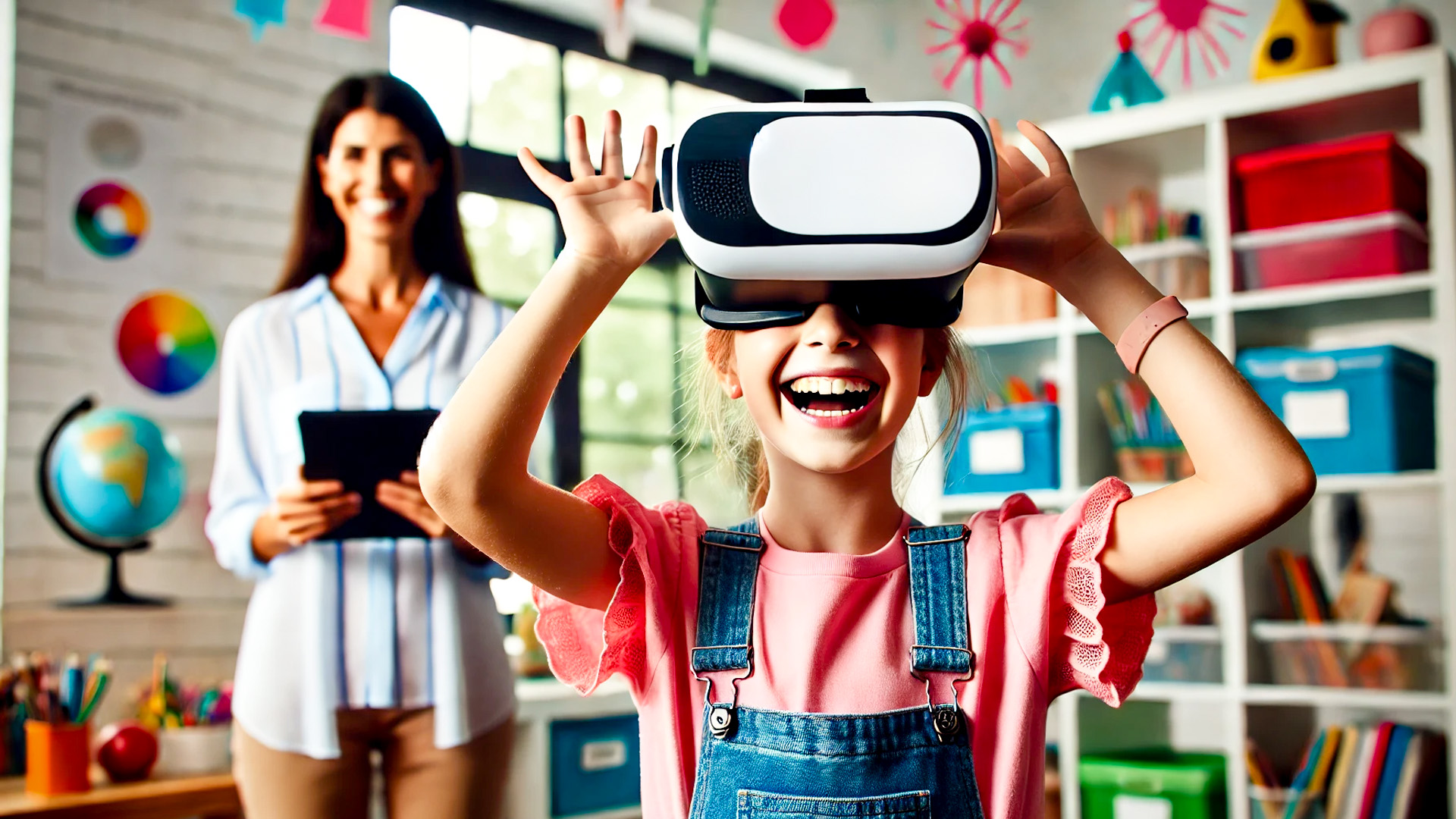
Understanding the Role of VR in Modern Education
Aligning VR with Curriculum Goals: Ensuring Content Relevance
For virtual reality (VR) to be a valuable educational tool, it must align closely with the curriculum’s goals and objectives. Introducing VR simply for its novelty can result in disengagement, confusion, or even distraction. Instead, the content presented through VR should act as an enhancement to the existing syllabus, offering depth and reinforcement to what students are already learning. Educators need to first identify the learning outcomes they aim to achieve and then match those goals with VR content that supports these aims, making it an effective tool for learning. This careful integration ensures that VR is not just an isolated experience but an immersive way to deepen students’ understanding of specific subjects.
When content relevance is ensured, students can clearly see how their VR experiences tie into their academic goals. They are more likely to make connections between what they learn in VR and what they study in their textbooks or lectures. This relevance also justifies the investment in such technology from the educator’s perspective, making VR a meaningful part of the learning experience rather than a technological gimmick. Thoughtful alignment of VR with curriculum goals transforms it into an empowering educational tool, making lessons more interactive and impactful.
The Cognitive Benefits of Immersive Learning: How VR Aids Memory and Engagement
Research consistently highlights the significant cognitive benefits of immersive learning environments, particularly with virtual reality. One of the most important advantages of VR is its ability to boost memory retention. Traditional educational methods often rely on rote memorization, but VR engages multiple senses, allowing students to interact with the material in ways that activate different areas of the brain. This sensory engagement creates stronger neural connections, making it easier to store and retrieve information later.
VR significantly enhances student engagement—one of the greatest challenges in modern classrooms. An engaged learner is not only more attentive but also more motivated to actively participate, making the learning process more effective. VR transforms lessons into interactive adventures, capturing students’ interest and holding their attention for longer periods. This heightened engagement can lead to better academic outcomes, as students are more likely to absorb and retain the material, ultimately improving their overall performance.
Getting Started with VR in the Classroom
Assessing Classroom Needs: Choosing the Right VR Tools and Platforms
Before incorporating virtual reality (VR) into the classroom, educators must first assess their specific instructional needs. Key questions include: Which subjects will benefit most from VR integration? What are the learning objectives that VR can enhance? Tailoring VR tools to the needs of the students is essential for maximizing its educational value. For example, science classes may find great value in platforms that offer biology simulations, allowing students to virtually explore the human body or conduct chemistry experiments in a safe, controlled environment. History classes, on the other hand, might benefit from VR experiences that allow students to “travel” to ancient civilizations or witness historical events unfold in an immersive format.
The key to successful integration lies in selecting VR tools that align with curriculum goals and complement traditional teaching methods. Educators should evaluate the available VR platforms for their educational value, age appropriateness, and ability to engage students. Content that seamlessly integrates with the existing curriculum enhances the learning experience without feeling like a disconnected novelty. Additionally, it is crucial to consider the technical setup of the classroom, including hardware compatibility and the availability of headsets or other equipment, to ensure smooth implementation.
Setting Up VR Hardware and Software: What Educators Should Know
Once the right VR platform is selected, the next step is setting up the necessary hardware and software. For educators unfamiliar with VR technology, this process can seem intimidating, but most modern VR systems are designed with ease of use in mind. Many platforms come with intuitive interfaces that make installation and usage straightforward, even for beginners.
Ensuring that the VR equipment is properly set up is crucial for both safety and functionality. This includes having adequate ventilation, lighting, and enough space for students to move safely during VR activities. Educators should also become familiar with the software before introducing it to the classroom. Being able to navigate the VR environment and troubleshoot potential issues will help ensure a smooth and productive session. With proper preparation, educators will be able to guide their students through the VR experience confidently, minimizing any disruptions or technical difficulties.
Preparing Students for a New Learning Experience: Orientation and Safety
Before immersing students in a virtual reality session, it’s important to prepare them with a proper orientation. This introduction sets expectations for the experience, ensuring students understand both the educational goals and safety protocols. For many, this might be their first encounter with VR, and the initial excitement can sometimes lead to distractions. By explaining how the equipment works, outlining session objectives, and emphasizing the importance of focus, educators can set the stage for a more effective learning experience.
Safety is a top priority when using VR. Some students may experience motion sickness or discomfort during VR sessions, so it’s important to monitor them closely and encourage regular breaks. Additionally, students should be taught how to navigate the virtual environment safely, especially in experiences that involve physical movement. By providing a structured orientation that includes safety guidelines, educators can help students remain engaged with the content while minimizing any risks, allowing them to fully benefit from the immersive learning environment.
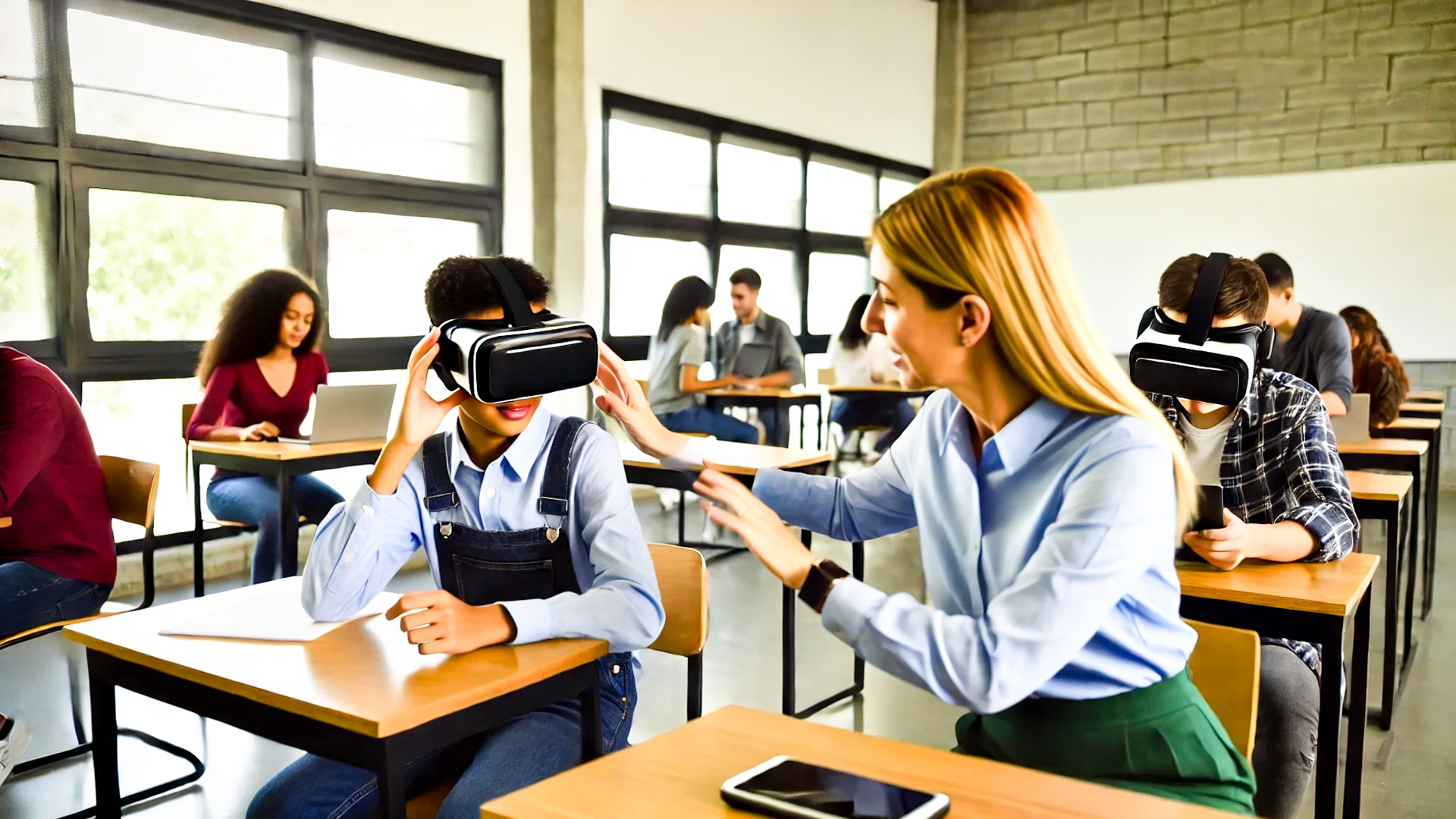
Designing Engaging Lessons with VR
From Passive Observation to Active Participation: Using Interactive VR Modules
The true transformative power of virtual reality (VR) in education comes from its ability to shift students from passive observation to active participation. In traditional learning environments, students often act as mere receivers of information. However, VR changes this dynamic by immersing them in interactive modules where they can actively engage with the material. This interactive aspect allows students to manipulate virtual objects, conduct experiments, and solve problems in real-time, all within a controlled, immersive environment. As a result, learning becomes a hands-on experience, fostering critical thinking and problem-solving skills that are essential for deeper understanding.
Interactive VR modules can be applied across various subjects. For instance, in science, students can conduct virtual experiments that would be too dangerous or logistically challenging to perform in real life, such as simulating chemical reactions or exploring outer space. In history, students can walk through the streets of ancient Rome or witness pivotal moments in world history as they unfold. This level of interaction not only enhances comprehension but also makes learning more engaging and enjoyable, which can significantly improve student motivation and retention.
Blending Traditional Teaching with VR: Creating Hybrid Lesson Plans
While VR offers powerful learning opportunities, it should not be viewed as a replacement for traditional teaching methods but rather as a complementary tool. The most effective educational strategies often involve a blend of both approaches, resulting in hybrid lesson plans that incorporate the best of both worlds. For example, a teacher may start with a traditional lecture to introduce foundational concepts, followed by a VR session that allows students to visualize and interact with these concepts in a 3D environment. The lesson could then conclude with a class discussion or written assignment, helping students solidify their understanding and reflect on the VR experience.
This blended approach ensures that students benefit from both immersive and traditional learning experiences. It also provides educators with the flexibility to integrate VR when it serves a specific learning objective, making it a versatile tool in various classroom settings. By thoughtfully incorporating VR into lesson plans, educators can enhance student engagement while reinforcing core learning objectives.
Making Complex Concepts Accessible: VR as a Tool for Abstract Learning
Some subjects, particularly in areas like physics, mathematics, or chemistry, can be difficult for students to grasp through textbooks or lectures alone. Virtual reality helps bridge this gap by making abstract concepts more accessible and easier to understand. Through VR, students can visualize and interact with complex ideas that would otherwise remain intangible. For instance, they can step inside a molecular structure to see how atoms bond, or they can explore the intricate forces behind complex equations in a 3D space, making these abstract concepts come to life.
By transforming abstract ideas into interactive and visual experiences, VR makes challenging topics more comprehensible for students. This approach not only improves comprehension but also builds student confidence in tackling difficult subjects. Through this immersive learning, students are empowered to explore and experiment, which fosters a deeper understanding of material that might have seemed incomprehensible in a traditional classroom setting.
Best Practices for Effective VR Integration
Start Small and Scale Up: Pilot Programs for Classroom VR
When integrating virtual reality (VR) into classroom settings, a gradual approach is often the most effective. Starting with small-scale pilot programs allows educators to introduce VR in a controlled, manageable way. Select a small group of students or focus on specific subjects, such as science or history, to assess how well the technology enhances learning outcomes. By experimenting with a smaller group, educators can identify and address any challenges—such as technical difficulties, content suitability, or student engagement—before implementing VR more broadly.
Pilot programs also provide an opportunity for teachers to gather feedback directly from students, gaining insights into how they interact with VR and how it can improve their learning experience. This feedback is invaluable in refining the approach to VR integration. Once a pilot program is successful, it can be expanded gradually across more subjects or grade levels, ensuring a smoother transition to a more comprehensive VR curriculum.
Foster Collaboration: Encouraging Group Work with VR Experiences
Although VR is often perceived as a solitary experience, it can actually be a powerful tool for fostering collaboration. Many VR platforms now support multi-user environments, allowing students to engage in the same virtual space simultaneously. This opens up opportunities for collaborative projects, where students can work together to solve problems, explore virtual worlds, or conduct group experiments.
Group-based VR experiences encourage peer interaction and teamwork, skills that are critical for both academic success and real-world scenarios. Educators can design team-based challenges or virtual field trips where students must collaborate to achieve a shared objective. This not only makes VR more interactive but also transforms it into a communal learning tool that enhances social skills while reinforcing academic content.
Keep Accessibility in Mind: Inclusive Strategies for All Learners
Accessibility is a key consideration when incorporating VR into education. Not all students have the same physical abilities or learning needs, and VR content should be designed to accommodate this diversity. For students with physical disabilities, adaptive VR equipment or alternative input devices can help ensure they are able to fully engage with the material. Additionally, VR platforms should offer customizable experiences to cater to different learning styles, whether visual, auditory, or kinesthetic.
Incorporating various modes of learning within VR environments ensures that all students, regardless of their abilities or preferences, have equal opportunities to benefit from this technology. By prioritizing inclusivity, educators can create a more equitable learning environment where every student can thrive, making VR a truly universal educational tool.
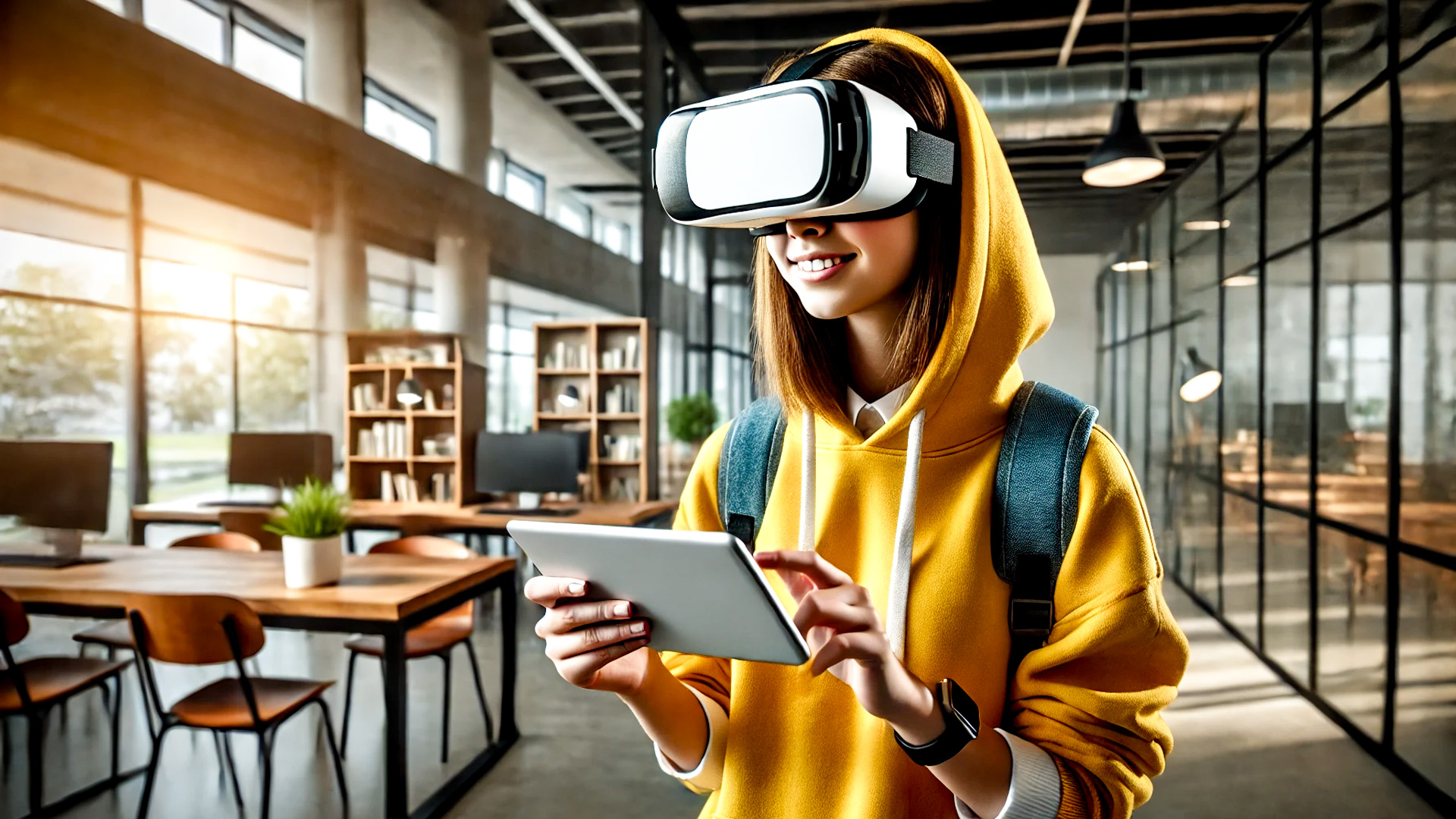
Overcoming Challenges in Classroom VR
Addressing Technical Issues: Troubleshooting Common Problems
Like any technology, virtual reality (VR) comes with its share of technical challenges. These can range from hardware malfunctions like unresponsive headsets to software glitches that prevent smooth interactions. Such issues can disrupt the flow of the lesson and potentially frustrate both students and educators. To minimize these disruptions, it’s essential for teachers to familiarize themselves with common VR troubleshooting strategies. This could include checking device connections, restarting systems, ensuring software is up-to-date, and having basic knowledge of VR platforms’ settings.
Another important strategy is to have a backup plan in case VR equipment fails entirely. Educators can prepare alternative activities that align with the lesson’s goals but don’t rely on VR. For instance, a class discussion or written assignment can be quickly deployed to maintain learning momentum if technical difficulties arise. By preparing for potential problems, teachers can ensure that technical issues don’t derail the educational experience.
Managing Classroom Behavior: Keeping Students Focused in VR Environments
The immersive nature of VR is one of its greatest strengths, but it can also present challenges when it comes to classroom management. Younger students, in particular, may become overstimulated or distracted within virtual environments, which can lead to off-task behavior. To prevent this, it’s crucial for educators to set clear guidelines for behavior during VR sessions.
Begin with an orientation, explaining the rules and expectations while using VR equipment. Establishing a structure, such as time limits for each activity or designated roles within a group setting, can help students stay focused. Frequent monitoring and interaction with students throughout the session can also keep them engaged with the educational objectives rather than becoming sidetracked by the virtual experience itself. Breaks can help prevent overstimulation and maintain focus, ensuring that VR is a productive tool rather than a distraction.