
Embracing Virtual Reality for Enhanced Language Acquisition and Navigating the Hurdles in South African Education
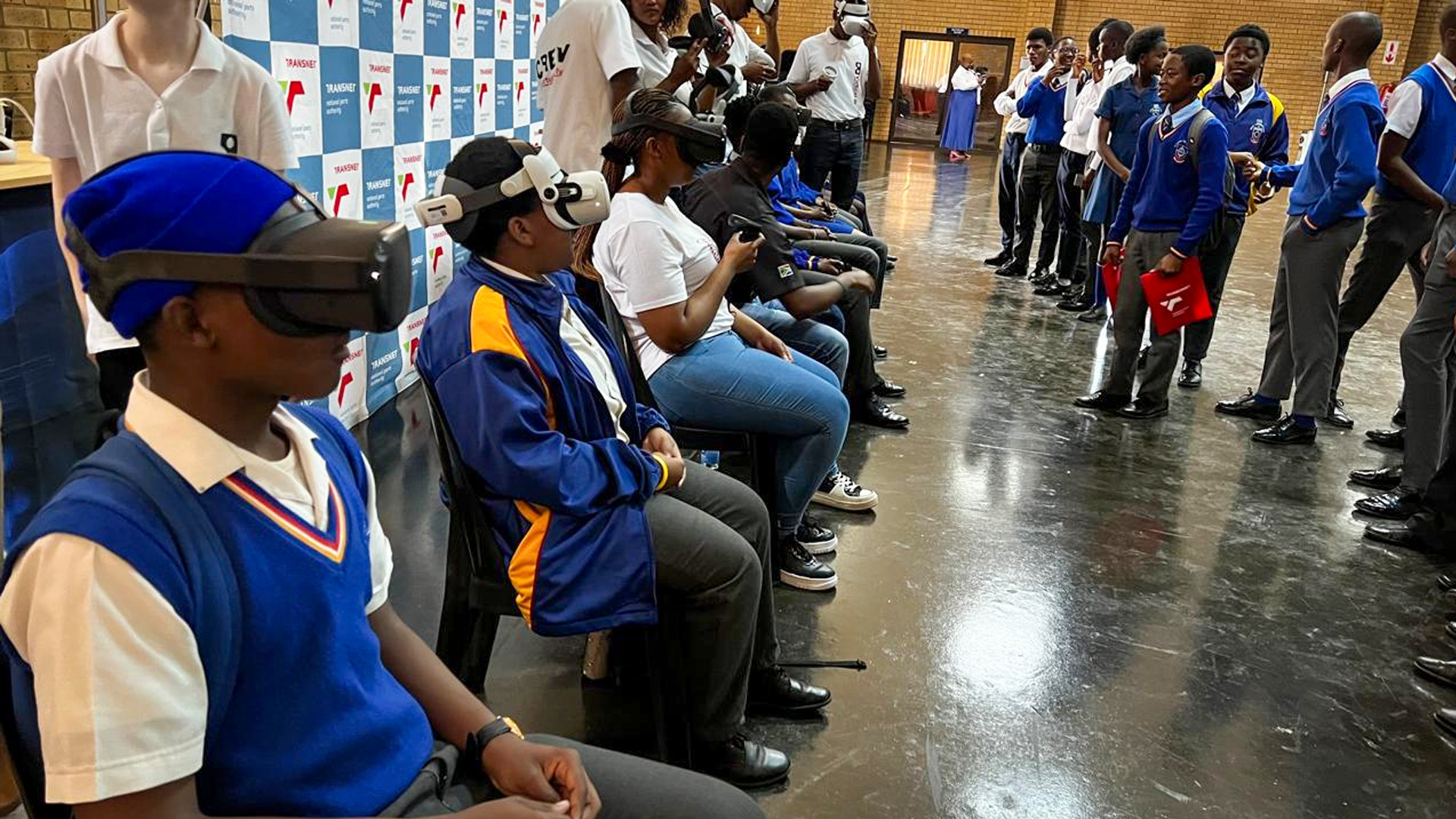
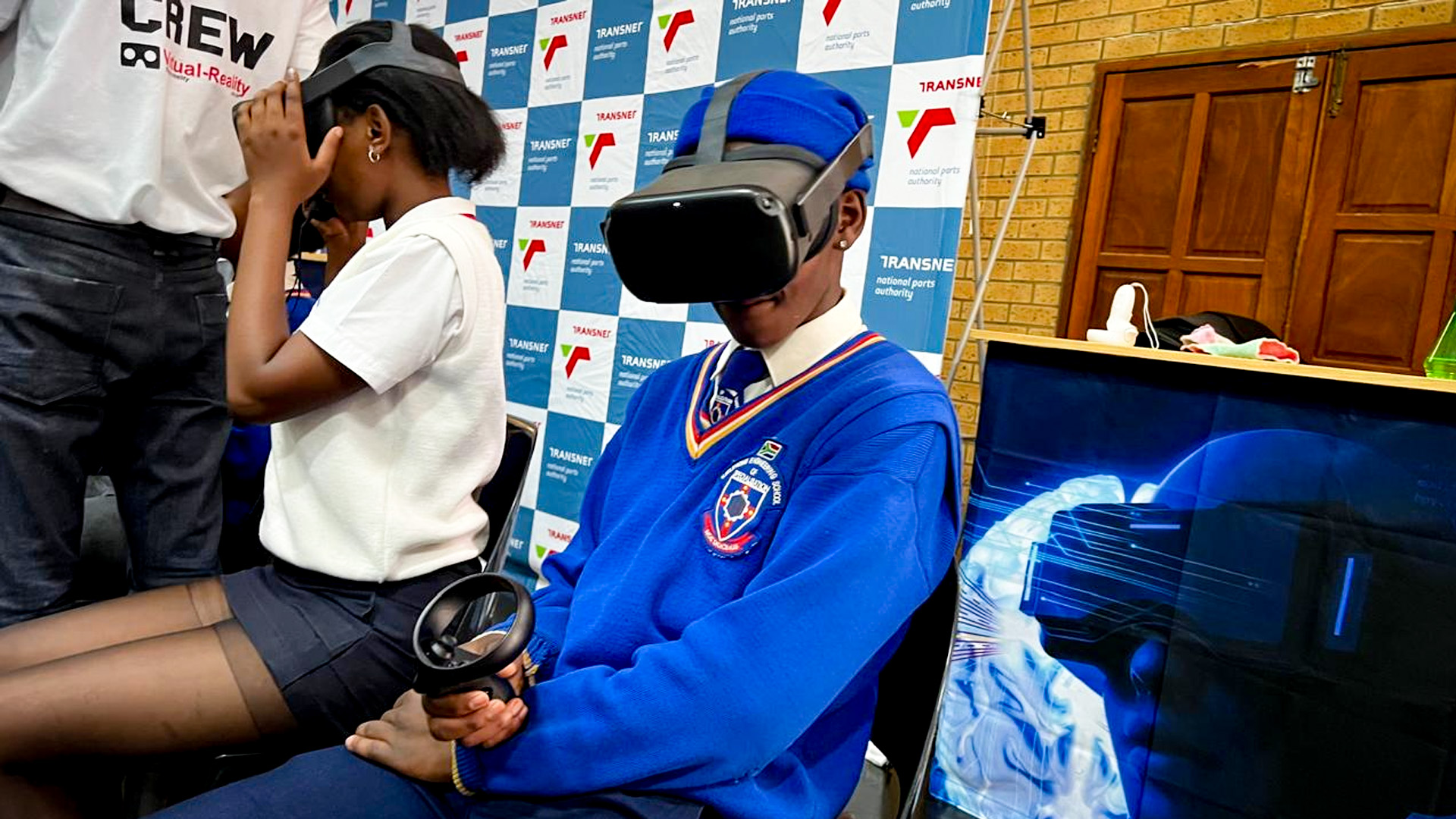
Virtual Reality (VR) has emerged as a transformative tool in education, particularly in language learning. By immersing learners in interactive environments, VR facilitates not only the acquisition of new languages but also fosters a deeper understanding of diverse cultures. In South Africa, the integration of VR into educational frameworks presents both promising opportunities and significant challenges. This exploration delves into the multifaceted role of VR in language education and examines the unique obstacles faced in adopting this technology within the South African context.
Immersive VR Environments for Language Acquisition
Simulated Conversations
Imagine stepping into a bustling marketplace in Tokyo, engaging in real-time dialogues with virtual vendors. VR’s simulated conversations offer learners the chance to practice language skills in lifelike scenarios, enhancing fluency and comprehension. Unlike traditional classroom settings, these interactions provide immediate feedback, allowing for rapid improvement and increased confidence in using the language.
Such immersive dialogues replicate the unpredictability of real-world conversations, challenging learners to think on their feet. This dynamic approach not only strengthens linguistic abilities but also equips learners with the agility to navigate diverse social interactions, bridging the gap between theoretical knowledge and practical application.
Real-world Scenario Training
Language learning extends beyond vocabulary and grammar; it encompasses the ability to function effectively in various cultural contexts. VR facilitates this by creating real-world scenarios that require learners to apply their language skills meaningfully. Whether it’s ordering food at a restaurant, negotiating in a business meeting, or navigating public transportation, these virtual experiences mirror authentic interactions.
By engaging in scenario-based training, learners develop a nuanced understanding of cultural norms and societal expectations. This experiential learning fosters cultural competence, ensuring that language acquisition is not merely about communication but also about connecting with the people and environments where the language is spoken.
Adaptive Learning Algorithms
Behind the seamless VR experiences lie sophisticated adaptive learning algorithms that tailor the educational content to each learner’s proficiency level and learning pace. These algorithms analyze user interactions, identifying strengths and areas for improvement. Consequently, the VR environment dynamically adjusts to present challenges that are neither too daunting nor too simplistic, maintaining an optimal learning curve.
This personalized approach ensures that each learner receives targeted instruction, maximizing the efficacy of the language acquisition process. The data-driven insights provided by these algorithms enable educators to monitor progress meticulously, facilitating informed decisions to enhance the overall educational experience.
Cultural Understanding through Virtual Reality
Virtual Cultural Exchanges
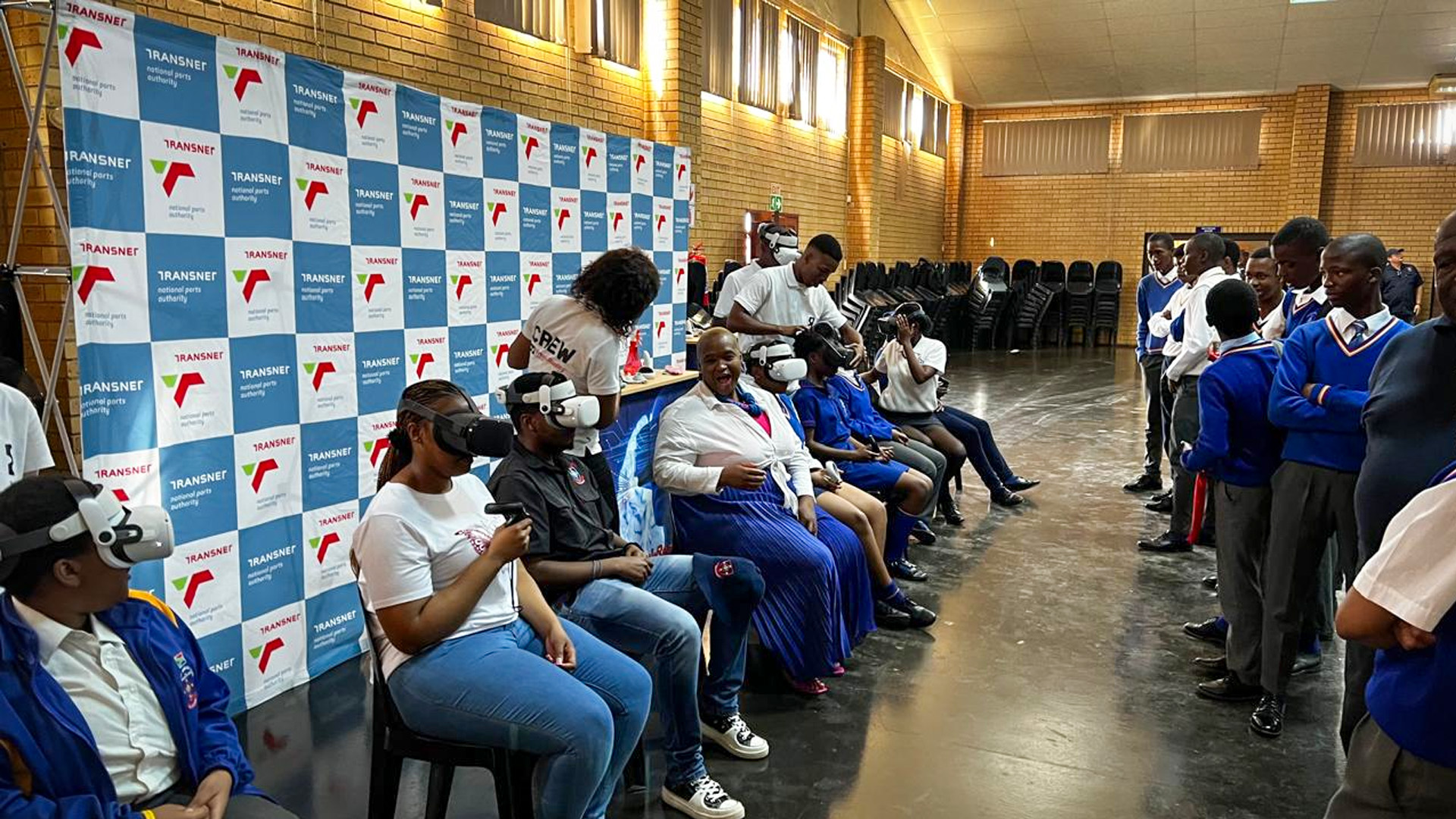
Cultural immersion is a cornerstone of effective language learning, and VR bridges geographical divides to facilitate virtual cultural exchanges. Through VR, learners can virtually visit foreign countries, participate in traditional festivals, and interact with native speakers, all within a controlled and accessible environment. These experiences cultivate an appreciation for cultural diversity, enriching the language learning journey.
By simulating interactions within various cultural contexts, VR enables learners to grasp subtle cultural nuances that are often overlooked in conventional educational settings. This deeper cultural insight not only enhances linguistic proficiency but also fosters global citizenship, empowering learners to engage respectfully and meaningfully with different cultures.
Contextual Learning Modules
Understanding language in context is vital for meaningful communication. VR’s contextual learning modules embed language instruction within culturally relevant settings, providing learners with the context needed to comprehend and utilize new vocabulary and expressions effectively. For instance, learning Spanish within the framework of a virtual Spanish-speaking café allows learners to associate words and phrases with their practical usage.
This contextualization bridges the gap between abstract language rules and real-world application, making learning more intuitive and memorable. By situating language within its cultural context, VR ensures that learners develop a holistic understanding of both the language and the culture it embodies.
Empathy Building Experiences
Language is intrinsically linked to cultural identity and personal experiences. VR offers empathy-building experiences by allowing learners to step into the lives of individuals from different cultural backgrounds. Through immersive storytelling and role-playing scenarios, learners gain firsthand insights into the challenges and triumphs of others, fostering empathy and mutual respect.
These empathetic engagements go beyond mere language proficiency, encouraging learners to connect emotionally with the culture they are studying. This emotional connection enhances retention and motivation, transforming language learning into a deeply personal and meaningful endeavor.
Technological Infrastructure in South Africa
Internet Connectivity and Accessibility
The success of VR-based language learning hinges on robust internet connectivity and widespread accessibility. In South Africa, disparities in internet infrastructure pose significant challenges, particularly in rural and underserved areas. Limited access to high-speed internet restricts the ability to stream high-quality VR content, hindering the adoption of this technology in educational institutions.
Addressing these connectivity issues is paramount to ensuring equitable access to VR-based language learning tools. Investments in improving internet infrastructure, coupled with initiatives to provide affordable connectivity solutions, can bridge the digital divide, enabling more South African learners to benefit from immersive VR experiences.
Availability of VR Hardware
The availability and affordability of VR hardware are critical factors influencing the adoption of VR in South African education. High costs associated with VR headsets and compatible devices can be prohibitive for many schools and learners, particularly in economically disadvantaged regions. This financial barrier limits the widespread implementation of VR-based language learning programs.
To mitigate these challenges, partnerships between educational institutions, government bodies, and private sector stakeholders are essential. By leveraging bulk purchasing agreements, subsidies, and financing options, the cost of VR hardware can be reduced, making it more accessible to a broader spectrum of learners across South Africa.
Technical Support and Maintenance
Sustaining VR-based language learning initiatives requires ongoing technical support and maintenance. South African educational institutions may lack the necessary expertise to troubleshoot hardware and software issues, leading to potential disruptions in the learning process. Ensuring reliable technical support is crucial for the seamless integration of VR into the educational framework.
Establishing dedicated technical teams and providing comprehensive training for educators can enhance the capacity to manage and maintain VR systems. Additionally, developing robust support networks and collaborating with VR technology providers can ensure that technical challenges are addressed promptly, minimizing downtime and maintaining the integrity of the educational experience.
Economic Factors Influencing VR Adoption
Cost of VR Solutions
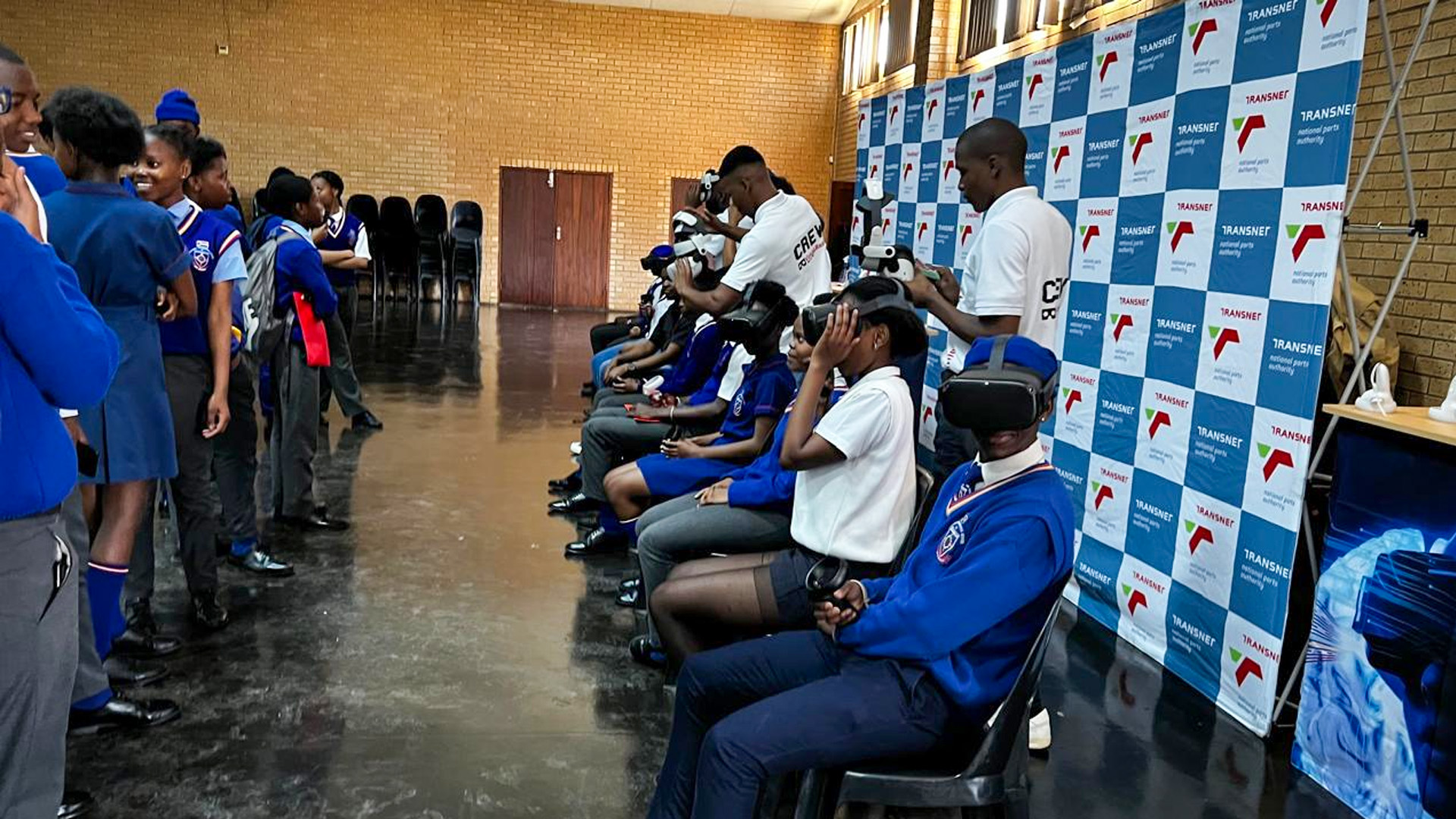
The financial implications of implementing VR-based language learning solutions are a significant consideration for South African educational institutions. The initial investment in VR hardware, software, and infrastructure can be substantial, posing a barrier to adoption, especially in resource-constrained environments.
However, the long-term benefits of VR, including enhanced learning outcomes and increased engagement, can justify the initial expenditure. Exploring cost-effective VR solutions, such as open-source platforms and scalable technologies, can make VR adoption more feasible, allowing institutions to integrate immersive language learning without compromising financial stability.
Funding and Investment Opportunities
Securing funding and investment is pivotal to overcoming the economic barriers associated with VR adoption in South Africa. Educational institutions can explore diverse funding avenues, including government grants, private sector partnerships, and international educational funds, to finance VR initiatives.
Engaging with stakeholders and demonstrating the potential impact of VR on language education can attract investment and support. Additionally, fostering collaborations with technology companies can provide access to discounted VR solutions and technical expertise, facilitating the integration of VR into the educational landscape without excessive financial strain.
Return on Educational Investments
Evaluating the return on investment (ROI) for VR-based language learning initiatives involves assessing both tangible and intangible benefits. Tangible ROI includes improved language proficiency, higher student engagement, and enhanced educational outcomes. Intangible benefits encompass increased cultural awareness, empathy, and global competence among learners.
By conducting comprehensive cost-benefit analyses, educational institutions can ascertain the value of VR investments. Demonstrating the positive impact on student performance and cultural understanding can justify the allocation of resources towards VR adoption, highlighting its role in preparing learners for a globalized world.
Educational System Integration
Curriculum Alignment with VR Tools
Integrating VR into the existing educational curriculum necessitates careful alignment with learning objectives and standards. VR-based language learning tools should complement and enhance the current curriculum, ensuring that they address specific educational goals and contribute to comprehensive language proficiency.
Collaborating with curriculum developers and educators is essential to identify areas where VR can provide the most value. By strategically incorporating VR into lesson plans and instructional strategies, educational institutions can create a cohesive learning experience that leverages the strengths of immersive technology to achieve desired educational outcomes.
Teacher Training and Readiness
The successful implementation of VR-based language learning hinges on the readiness and competence of educators. Teachers must be equipped with the necessary skills and knowledge to effectively integrate VR into their teaching practices, including proficiency in operating VR hardware and facilitating immersive learning experiences.
Providing professional development opportunities and ongoing support can enhance teachers’ confidence and capability in using VR tools. Empowering educators with the expertise to harness VR technology ensures that it is utilized to its full potential, fostering an engaging and effective language learning environment for students.
Student Engagement and Adaptability
Engaging students in VR-based language learning requires understanding their preferences and adaptability to new technologies. While many learners are enthusiastic about immersive experiences, others may require additional support to navigate the VR environment effectively.
Designing VR applications that are intuitive and user-friendly, coupled with providing guidance and resources, can enhance student engagement and adaptability. By catering to diverse learning styles and technological competencies, VR-based language learning can be inclusive and accessible, ensuring that all students can benefit from its immersive capabilities.
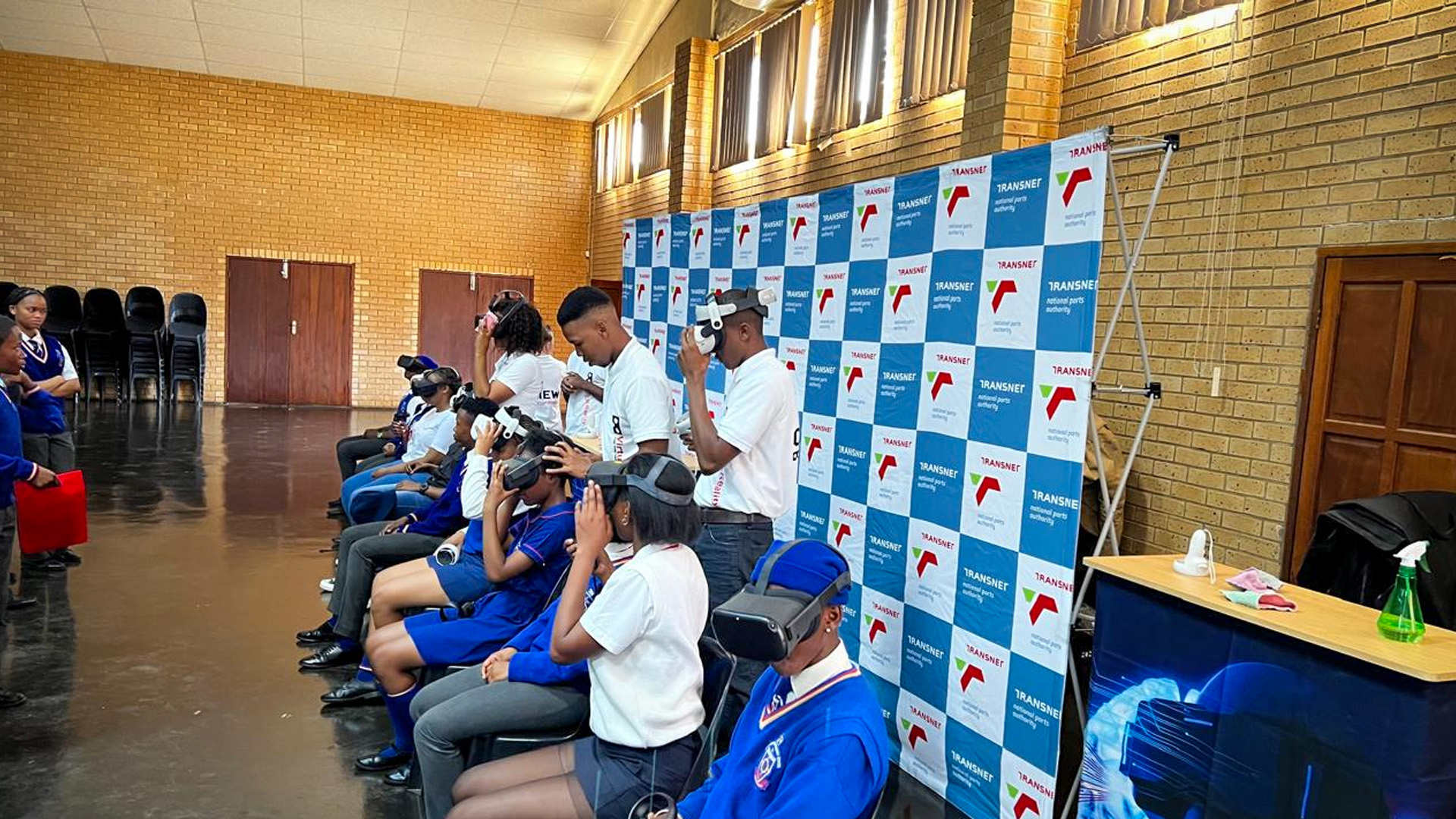
Overcoming Adoption Challenges: Strategies for South Africa
Infrastructure Development Initiatives
To surmount the infrastructural barriers hindering VR adoption, South Africa must prioritize the development of robust technological frameworks. Initiatives aimed at expanding high-speed internet access to rural and underserved areas are critical. Collaborations between government entities and private sector players can facilitate the deployment of necessary infrastructure, ensuring that VR-based education is accessible to all regions.
Establishing technology hubs within educational institutions can serve as centers of excellence, providing the necessary resources and support for VR integration. These hubs can also act as training grounds for educators and students alike, fostering a culture of technological proficiency and innovation.
Financial Incentives and Subsidies
Addressing the economic challenges of VR adoption requires targeted financial incentives and subsidies. The government can introduce grants and tax incentives for schools investing in VR technology, reducing the financial burden and encouraging widespread implementation. Additionally, educational institutions can explore public-private partnerships to secure funding and access to affordable VR solutions.
Subsidies for VR hardware and software can make these tools more attainable for economically disadvantaged schools, ensuring that all learners have the opportunity to benefit from immersive language learning experiences. By easing the financial strain, these measures can accelerate the adoption of VR in South African education.
Building Local Expertise and Support Networks
Developing local expertise is essential for the sustainable integration of VR in language learning. Establishing training programs and certifications for educators can equip them with the skills needed to effectively utilize VR tools. Additionally, creating support networks that connect educators, technologists, and policymakers can foster collaboration and knowledge sharing, enhancing the overall implementation process.
Investing in research and development within South Africa can also drive innovation in VR-based education, tailoring solutions to the unique needs and contexts of the local population. By nurturing a skilled workforce and robust support infrastructure, South Africa can overcome the technical challenges of VR adoption.
Future Prospects: VR’s Role in Shaping Language Education
Enhanced Personalization and Accessibility
The future of language learning lies in the personalization and accessibility that VR can offer. Advanced AI-driven VR systems will further tailor educational content to individual learning styles and paces, ensuring that each learner’s unique needs are met. This level of customization can significantly enhance the effectiveness of language acquisition, making learning more engaging and efficient.
VR’s ability to transcend physical barriers means that learners from diverse backgrounds can access high-quality language education regardless of their geographical location. This democratization of education fosters inclusivity, providing opportunities for learners who might otherwise be excluded due to socioeconomic constraints.
Integration with Emerging Technologies
As VR technology continues to evolve, its integration with other emerging technologies will amplify its impact on language learning. Augmented Reality (AR) can complement VR by overlaying digital information onto the physical world, creating hybrid learning environments that blend the best of both technologies. Additionally, advancements in haptic feedback and spatial audio will further enhance the realism of VR experiences, making language learning even more immersive and effective.
The convergence of VR with technologies like Artificial Intelligence (AI) and the Internet of Things (IoT) will pave the way for intelligent, interconnected learning ecosystems. These systems can provide real-time analytics, adaptive learning pathways, and interactive content that responds dynamically to the learner’s progress, revolutionizing the landscape of language education.
Long-term Cultural and Educational Impact
The long-term impact of VR on language education extends beyond immediate learning outcomes. By fostering deeper cultural understanding and empathy, VR contributes to the development of globally competent individuals who are equipped to navigate an increasingly interconnected world. This cultural literacy is invaluable in today’s globalized society, where cross-cultural communication and collaboration are paramount.
The adoption of VR in language education can set a precedent for the integration of immersive technologies across other educational disciplines. By demonstrating the efficacy of VR in enhancing learning experiences, South Africa can position itself as a leader in innovative education, inspiring other nations to explore the potential of immersive technologies in their educational systems.