
Revolutionizing Classroom Dynamics with Virtual Reality and Game-Based Strategies
Imagine stepping into a classroom where the walls dissolve, and you’re exploring the ancient ruins of Machu Picchu or navigating the complex systems of the human body—all within a single lesson. This is the power of combining Virtual Reality (VR) with gamification in education. By integrating these technologies, educators can create dynamic, interactive experiences that not only capture students’ attention but also foster deeper understanding and retention of material. This fusion transforms traditional learning environments, making education more engaging and motivating for learners of all ages.
The Synergy of VR and Gamification in Education
Immersive Learning Environments
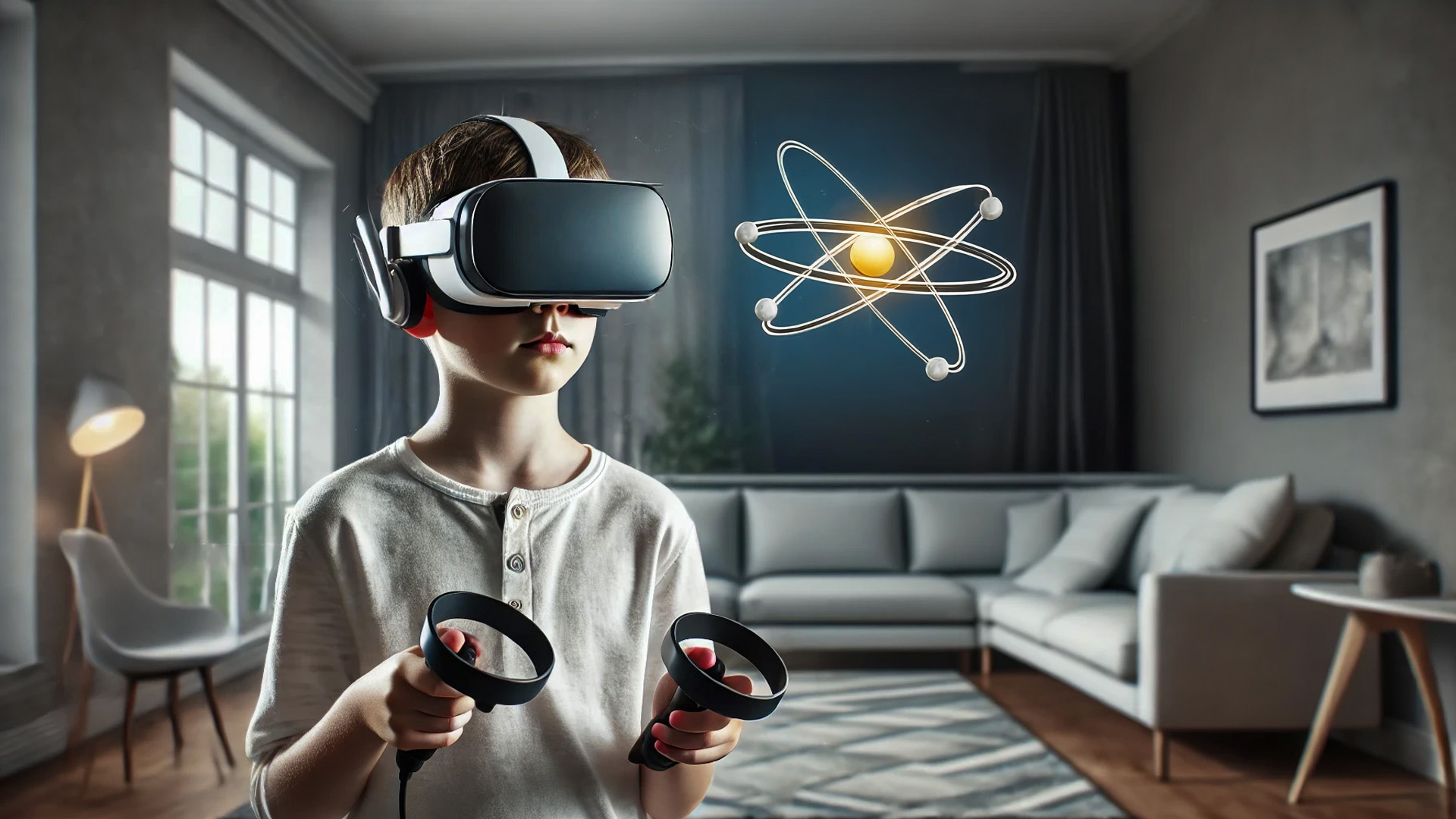
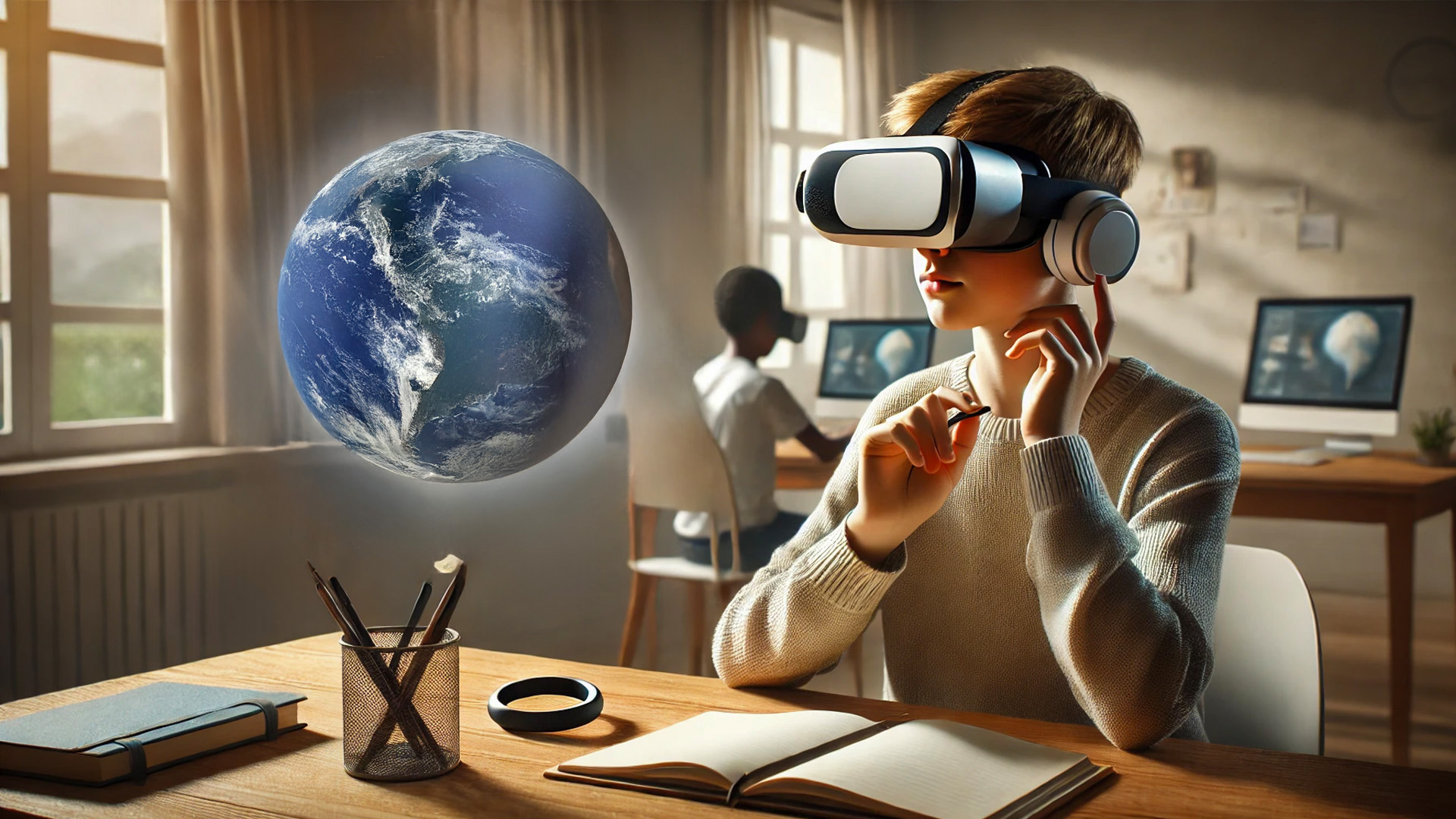
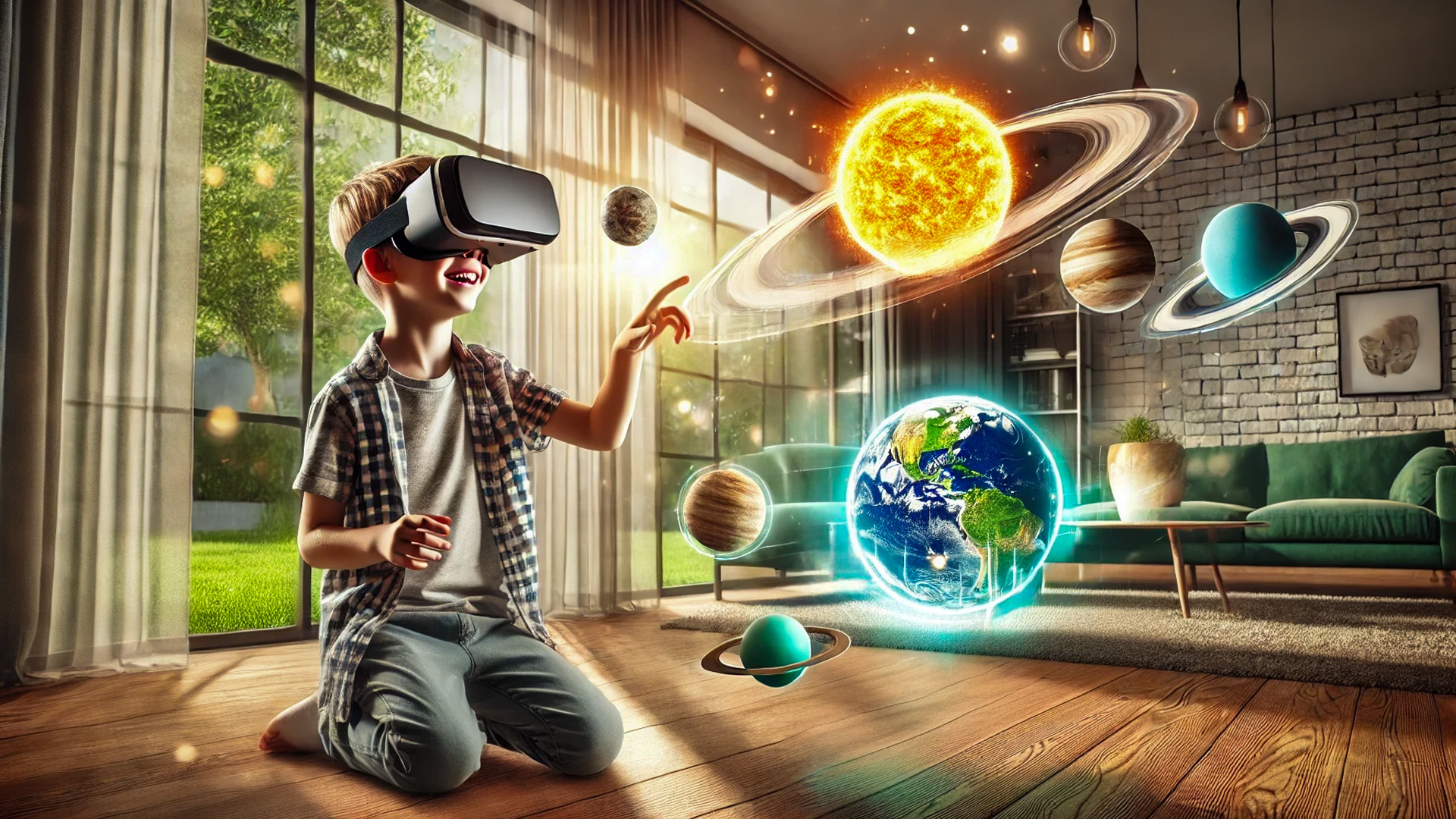
Virtual Reality transports students to environments that textbooks alone cannot replicate. Whether it’s walking through the solar system or conducting virtual chemistry experiments, VR provides a hands-on experience that enhances comprehension. When gamified, these environments become interactive playgrounds where students can explore, experiment, and learn at their own pace, turning abstract concepts into tangible experiences.
Enhanced Motivation through Interactive Elements
Gamification introduces game-like elements such as points, badges, and leaderboards into the learning process. When combined with VR, these elements become part of an immersive narrative, encouraging students to engage more deeply. For example, earning badges for completing virtual missions can motivate students to strive for mastery, fostering a sense of accomplishment and healthy competition.
Personalized Learning Paths
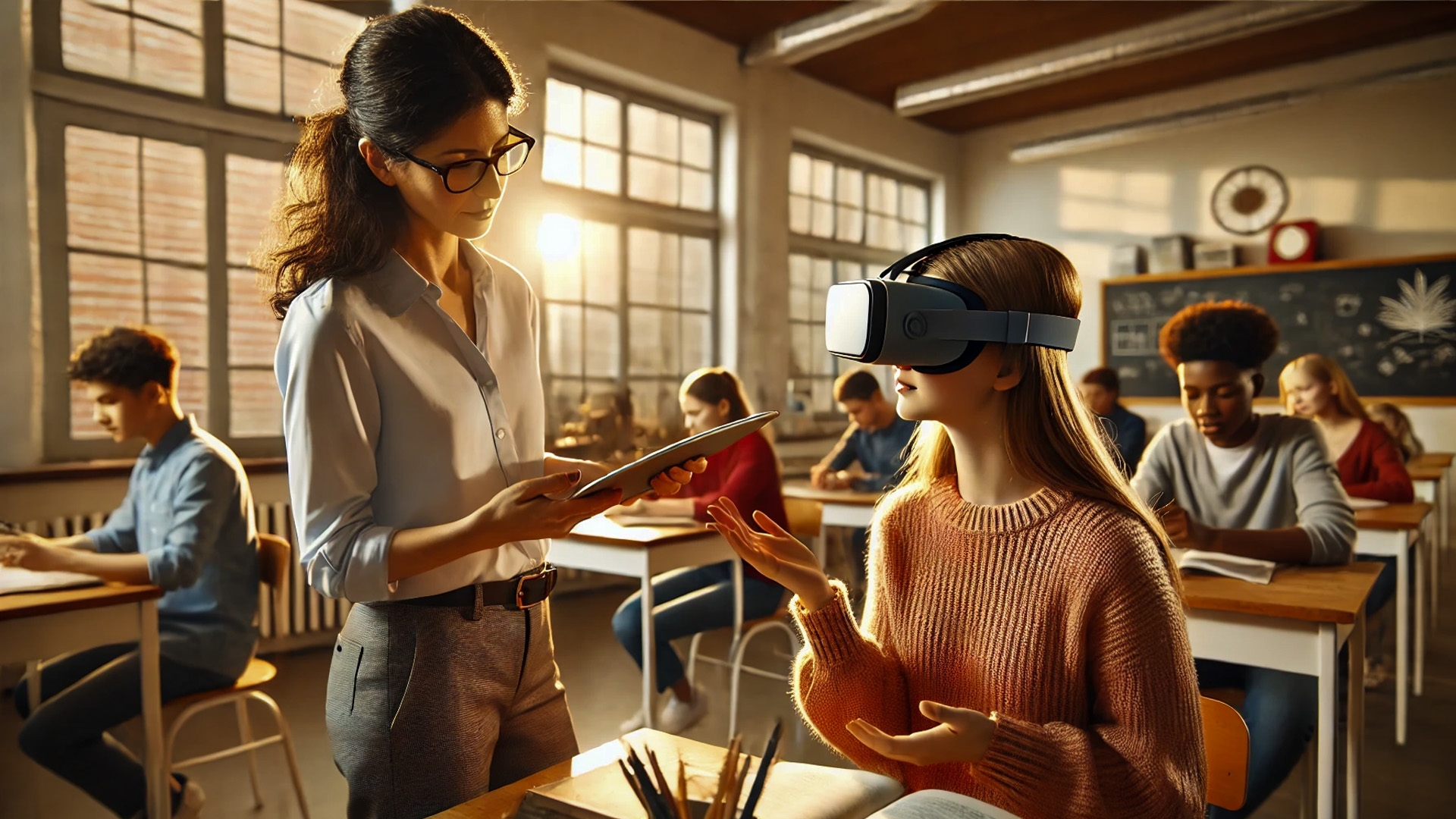
One of the significant advantages of VR and gamification is the ability to tailor learning experiences to individual needs. Adaptive learning algorithms can adjust the difficulty level based on a student’s performance, ensuring that each learner is appropriately challenged. This personalization helps maintain engagement by preventing frustration from tasks that are too difficult or boredom from tasks that are too easy.
Boosting Student Engagement through Interactive Storytelling
Creating Emotional Connections
Storytelling in education leverages narratives to make learning more relatable and memorable. VR amplifies this by placing students directly into the story, allowing them to experience events firsthand. For instance, a history lesson can become a journey through time where students interact with historical figures, creating emotional connections that enhance retention and understanding.
Encouraging Active Participation
Active participation is crucial for effective learning. Gamified VR experiences require students to make decisions, solve problems, and collaborate with peers, turning passive learning into active exploration. This shift from passive reception to active involvement keeps students engaged and invested in their educational journey.
Facilitating Collaborative Learning
VR and gamification can also promote teamwork and collaboration. Multiplayer VR environments enable students to work together on projects or challenges, fostering communication and cooperative problem-solving skills. This collaborative aspect mirrors real-world scenarios, preparing students for future professional environments where teamwork is essential.
Enhancing Cognitive Skills through Gamified VR
Developing Critical Thinking and Problem-Solving
Gamified VR scenarios often present complex challenges that require critical thinking and problem-solving skills. By navigating these virtual challenges, students learn to analyze situations, strategize, and make informed decisions. This experiential learning approach cultivates higher-order thinking skills that are essential for academic and professional success.
Improving Memory and Retention
The immersive nature of VR combined with the engaging elements of gamification significantly improves memory retention. When students are actively involved in their learning through interactive experiences, they are more likely to remember the information. This is supported by research showing that immersive learning environments enhance neural connections related to memory and recall.
Enhancing Spatial Awareness and Visualization
VR inherently enhances spatial awareness by allowing students to interact with three-dimensional environments. Gamified elements can further encourage exploration and manipulation of these spaces, improving visualization skills. These abilities are particularly beneficial in subjects like geometry, biology, and engineering, where understanding spatial relationships is crucial.
Overcoming Challenges in Implementing VR and Gamification
Addressing Technological Barriers
Implementing VR and gamification in education requires significant technological investment, including hardware, software, and reliable internet access. Schools must navigate these barriers by seeking funding, partnering with technology providers, and ensuring that infrastructure supports the integration of these advanced tools.
Ensuring Accessibility and Inclusivity
Accessibility is a critical consideration when integrating VR and gamification. Educators must ensure that all students, including those with disabilities, can participate fully. This involves selecting VR platforms that offer customizable settings and designing gamified elements that accommodate diverse learning needs and preferences.
Balancing Educational Objectives with Engagement
While gamification and VR are powerful tools for engagement, it is essential to balance these elements with educational objectives. The primary focus should remain on learning outcomes, ensuring that game mechanics and immersive experiences support rather than distract from the curriculum. Careful design and alignment with educational goals are key to achieving this balance.
Real-World Applications and Success Stories
Case Study: Virtual Field Trips in Science Education
A middle school science program implemented VR-based virtual field trips, allowing students to explore ecosystems and conduct virtual experiments. Gamified elements, such as earning points for successful experiments and completing missions, led to a significant increase in student participation and enthusiasm. Teachers reported improved understanding of complex scientific concepts and higher overall performance on assessments.
Success in Language Learning through Gamified VR
Language classes have benefited from VR by immersing students in environments where they can practice language skills in context. Gamification elements, such as storytelling quests and interactive dialogues, have enhanced motivation and provided practical applications for language use. Students demonstrated increased fluency and confidence in their language abilities as a result.
Enhancing Historical Understanding with Interactive Narratives
History lessons transformed through VR and gamification have allowed students to experience historical events from multiple perspectives. Interactive narratives where students make decisions that influence outcomes have deepened their understanding of historical complexities and fostered empathy for diverse viewpoints. This approach has led to more nuanced and engaged discussions in the classroom.
Future Prospects: The Evolution of VR and Gamification in Education
Advancements in VR Technology
As VR technology continues to advance, its applications in education will become even more sophisticated. Improvements in graphics, interactivity, and accessibility will create more realistic and engaging learning environments. These advancements will enable educators to design increasingly complex and effective gamified learning experiences.
Integration with Artificial Intelligence
The integration of artificial intelligence (AI) with VR and gamification holds immense potential for personalized education. AI can analyze student performance in real-time, adjusting VR environments and game mechanics to suit individual learning styles and needs. This synergy will further enhance engagement and effectiveness, making education more adaptive and responsive.
Expanding Beyond Traditional Classrooms
The future of VR and gamification in education extends beyond traditional classrooms, reaching into remote and lifelong learning. Virtual classrooms and gamified online courses can provide flexible, engaging learning opportunities for a diverse range of students, breaking down geographical and temporal barriers to education.
Practical Tips for Educators Implementing VR and Gamification
Selecting the Right VR Platforms and Tools
Choosing the appropriate VR platforms and tools is crucial for successful implementation. Educators should consider factors such as ease of use, compatibility with existing systems, and the availability of educational content. Investing in user-friendly and versatile platforms will facilitate smoother integration and more effective learning experiences.
Designing Effective Gamified Learning Experiences
Effective gamification requires thoughtful design that aligns with educational objectives. Educators should identify key learning outcomes and incorporate game mechanics that support these goals. Balancing challenge and reward, providing clear instructions, and ensuring meaningful feedback are essential elements of successful gamified learning experiences.
Training and Supporting Educators
Providing adequate training and ongoing support for educators is essential for the successful adoption of VR and gamification. Professional development programs can equip teachers with the necessary skills and knowledge to integrate these technologies into their teaching practices effectively. Continuous support ensures that educators can troubleshoot issues and stay updated with the latest advancements.
Measuring the Impact of VR and Gamification on Learning
Assessing Student Engagement and Motivation
Measuring the impact of VR and gamification on student engagement and motivation involves both qualitative and quantitative methods. Surveys, interviews, and observation can provide insights into student attitudes and experiences, while metrics such as participation rates and time spent on tasks offer quantitative data on engagement levels.
Evaluating Learning Outcomes and Performance
To determine the effectiveness of VR and gamification, educators should assess learning outcomes and student performance through tests, assignments, and project-based evaluations. Comparing these results with traditional teaching methods can highlight the benefits and areas for improvement in using immersive and game-based strategies.
Gathering Feedback for Continuous Improvement
Continuous improvement is essential for maximizing the benefits of VR and gamification in education. Gathering feedback from students and educators allows for the identification of strengths and weaknesses in the implementation. This feedback can inform adjustments and enhancements, ensuring that the learning experiences remain effective and engaging.
Ethical Considerations in VR and Gamification
Ensuring Data Privacy and Security
The use of VR and gamification in education involves collecting and analyzing student data. Ensuring data privacy and security is paramount to protect students’ personal information and maintain trust. Educators and institutions must adhere to data protection regulations and implement robust security measures to safeguard sensitive information.
Promoting Digital Equity and Access
Digital equity and access are critical when integrating advanced technologies into education. It is essential to ensure that all students have equal opportunities to benefit from VR and gamification, regardless of their socioeconomic background. This may involve providing access to necessary hardware and internet connectivity or designing inclusive learning experiences that accommodate diverse needs.
Balancing Screen Time and Physical Activity
While VR and gamification offer numerous educational benefits, it is important to balance screen time with physical activity and offline learning. Prolonged use of VR headsets can lead to eye strain and other health concerns. Educators should design lessons that incorporate breaks and encourage physical movement to promote overall well-being.
Cultivating a Growth Mindset through Gamified VR Learning
Encouraging Persistence and Resilience
Gamified VR environments can foster a growth mindset by encouraging students to persist through challenges and view setbacks as opportunities for learning. By providing a safe space to experiment and fail, these experiences help students develop resilience and a positive attitude towards overcoming obstacles.
Celebrating Effort and Progress
Recognizing and celebrating effort and progress, rather than just outcomes, reinforces a growth mindset. Gamification elements like progress bars, achievement badges, and personalized feedback highlight individual advancements, motivating students to continue striving for improvement.
Fostering a Love for Lifelong Learning
By making learning enjoyable and rewarding, gamified VR experiences can cultivate a love for lifelong learning. Students who associate education with fun and achievement are more likely to pursue knowledge beyond the classroom, embracing continuous personal and professional development.
Integrating VR and Gamification with Traditional Teaching Methods
Blending Digital and Face-to-Face Interactions
Integrating VR and gamification with traditional teaching methods creates a blended learning environment that leverages the strengths of both approaches. Educators can use immersive technologies to complement lectures, discussions, and hands-on activities, providing a more comprehensive and versatile educational experience.
Enhancing Curriculum with Interactive Content
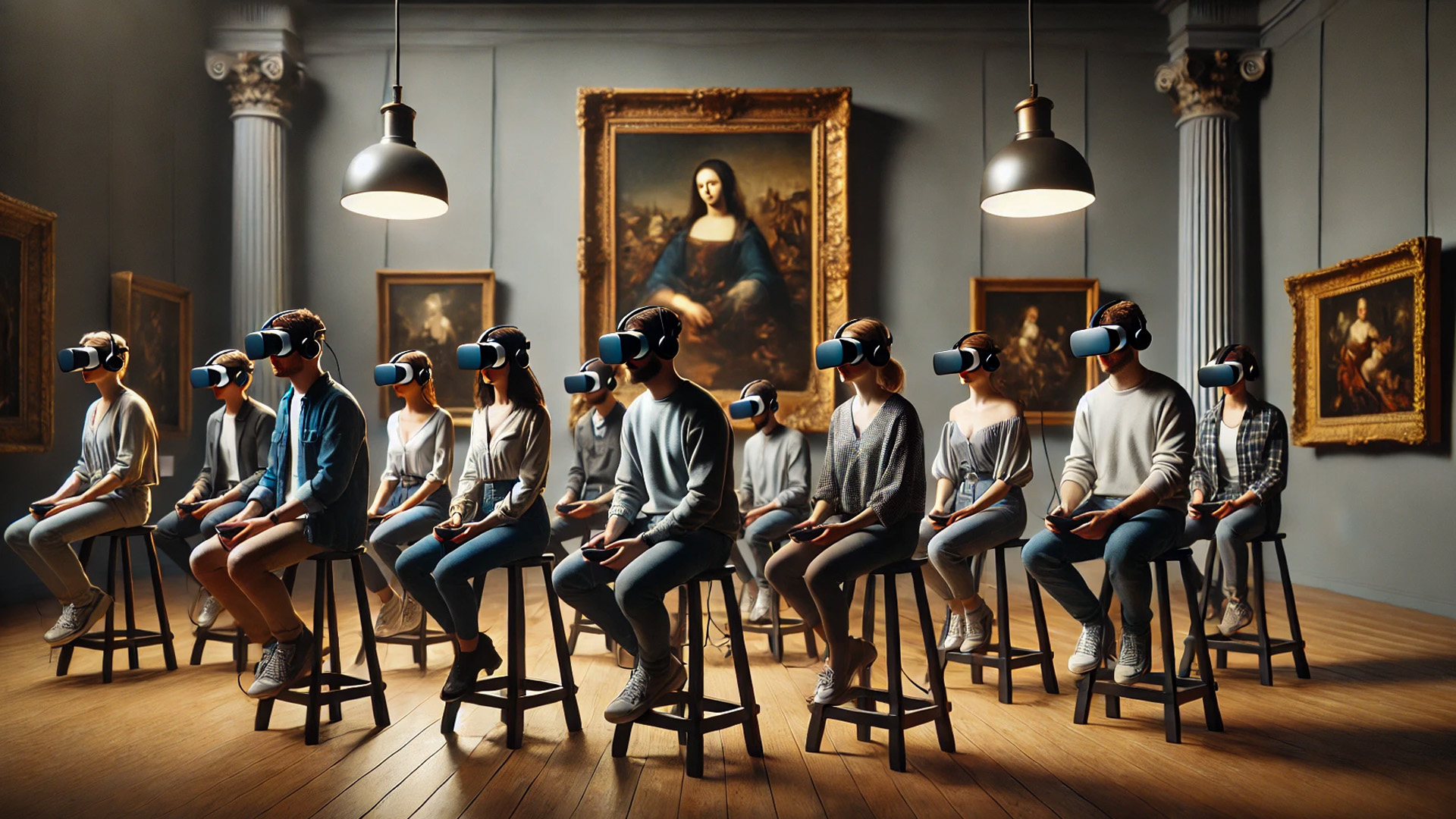
Interactive VR content can enrich the curriculum by providing diverse perspectives and deeper exploration of subjects. For example, literature classes can use VR to visualize story settings, while art classes can explore virtual galleries and create digital masterpieces, enhancing the overall learning experience.
Facilitating Differentiated Instruction
VR and gamification support differentiated instruction by catering to various learning styles and paces. Visual, auditory, and kinesthetic learners can all benefit from the multisensory experiences provided by VR, while gamified elements allow for self-paced progression and personalized challenges, ensuring that each student can engage with the material in a way that suits them best.
Virtual Reality and gamification are revolutionizing the educational landscape by creating immersive, interactive, and engaging learning experiences. This powerful combination enhances motivation, fosters deeper understanding, and cultivates essential cognitive and social skills among students. As technology continues to evolve, the integration of VR and gamification in education promises to unlock new potentials, making learning more dynamic and accessible for everyone. By thoughtfully addressing implementation challenges and focusing on ethical considerations, educators can harness these tools to transform traditional classrooms into vibrant hubs of innovation and discovery.