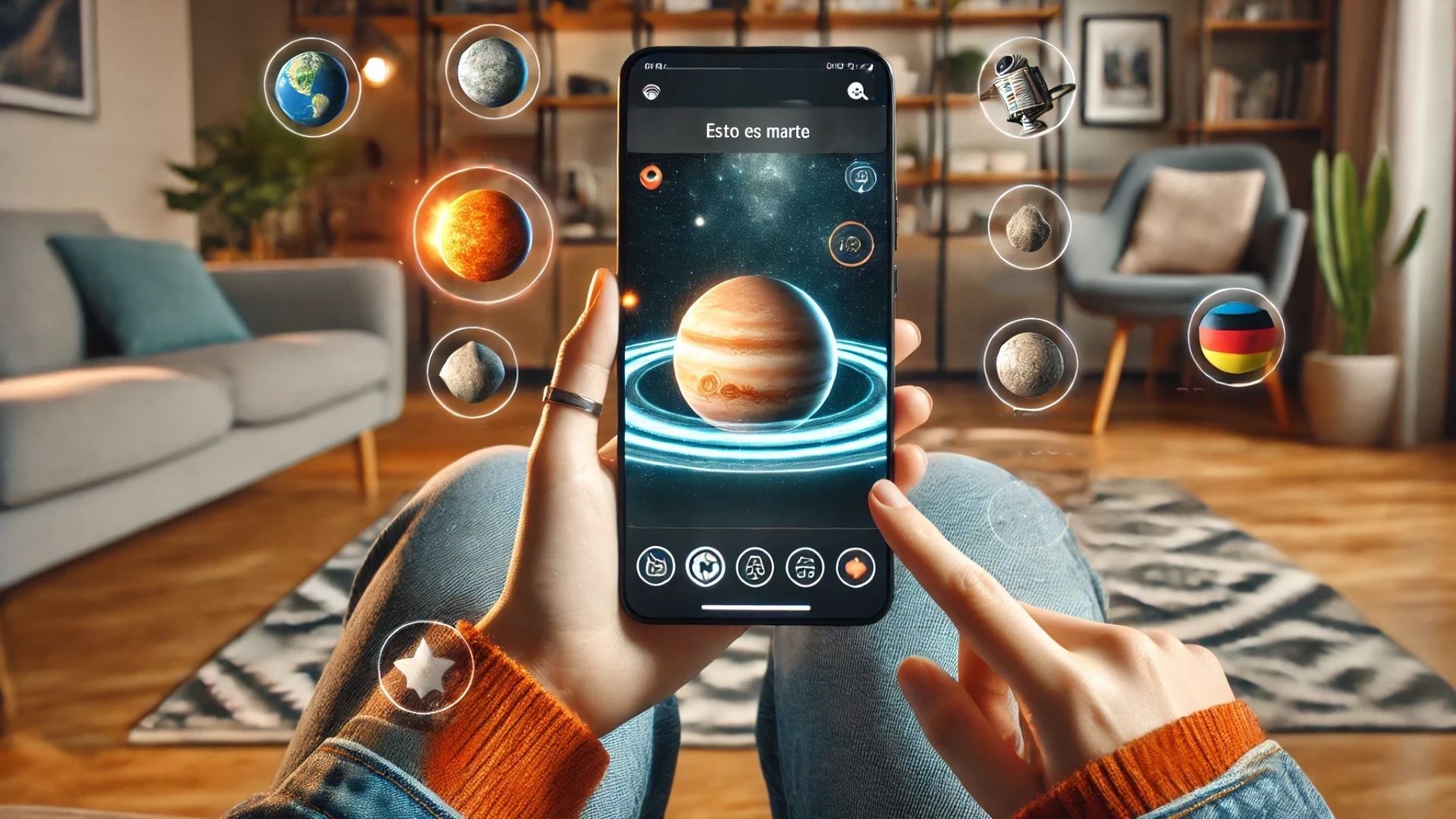

In the rapidly evolving landscape of education, augmented reality (AR) is emerging as a transformative technology, reshaping how students learn and teachers teach. AR overlays digital information onto the real world, creating an interactive and immersive learning environment. This blend of virtual and physical realities opens up endless possibilities for enhancing educational experiences. At Virtual Reality School, we are at the forefront of integrating AR into classrooms, providing educators and students with innovative tools to revolutionize learning.
The Power of Augmented Reality in Education
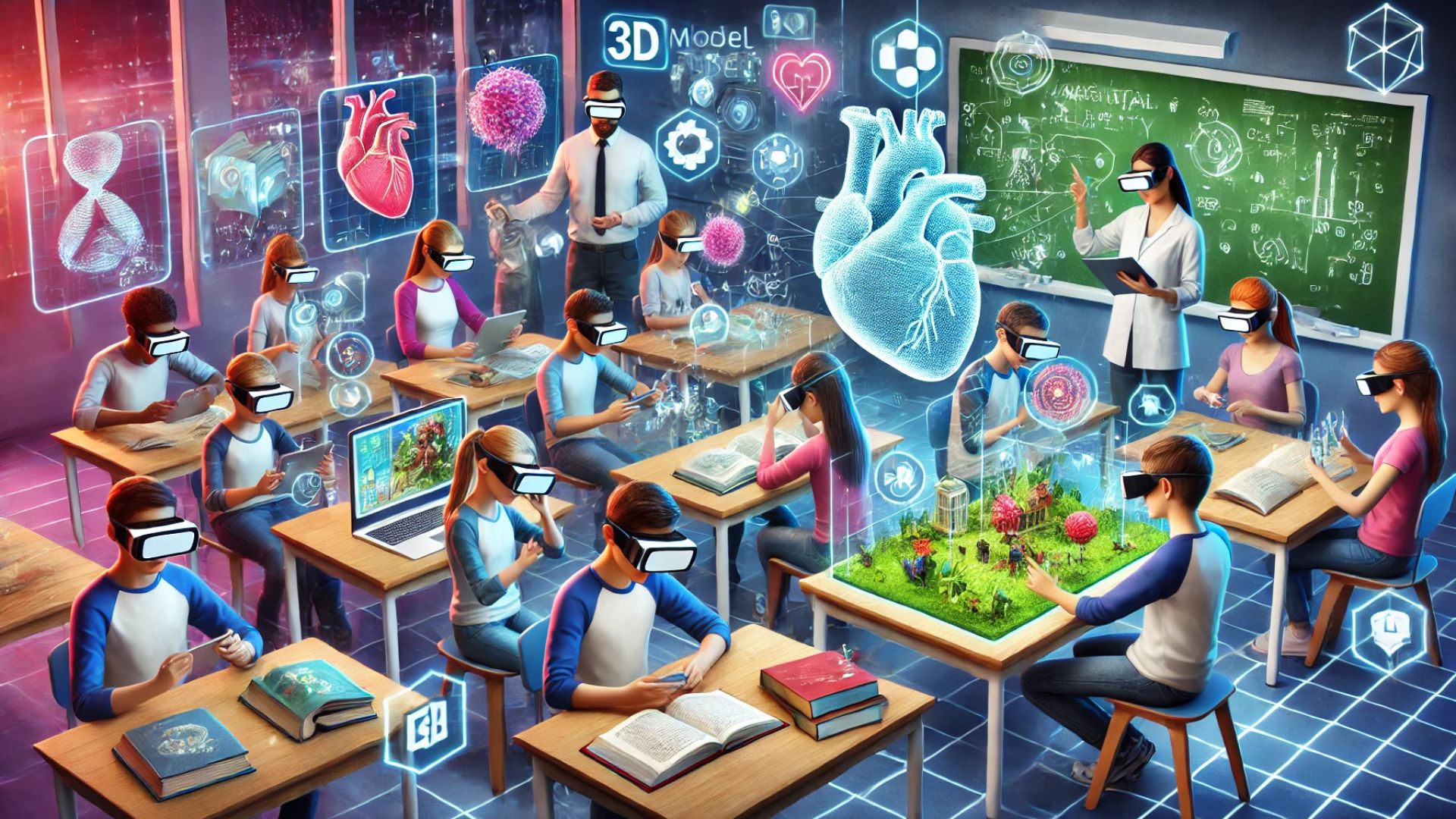
AR’s ability to bring static content to life is its most significant advantage. Traditional textbooks, charts, and models can only go so far in explaining complex concepts. AR bridges this gap by providing a 3D visual context, making abstract ideas tangible and easier to understand. Imagine a biology class where students can see and interact with a 3D model of the human heart, observing its structure and functions in real-time. Such experiences not only enhance comprehension but also make learning more engaging and enjoyable.
Enhancing Engagement and Motivation
One of the critical challenges in education is maintaining student engagement. AR addresses this by creating captivating and interactive learning experiences. When students are actively involved in their learning process, their motivation and retention rates increase. AR applications can turn a mundane history lesson into an adventurous exploration of ancient civilizations, where students can virtually walk through historical sites, witness historical events, and interact with historical figures. This level of engagement transforms passive learning into an active and immersive experience.
Personalized Learning Experiences
Every student learns differently, and AR can cater to diverse learning styles. Visual learners benefit from AR’s rich visual content, while kinesthetic learners thrive through interactive simulations and hands-on activities. AR applications can be tailored to individual needs, providing personalized learning pathways. For example, in a mathematics class, AR can offer step-by-step guidance on solving problems, allowing students to progress at their own pace. This personalized approach ensures that no student is left behind and everyone has the opportunity to excel.

Bridging the Gap Between Theory and Practice
AR has the unique ability to bridge the gap between theoretical knowledge and practical application. In subjects like physics and chemistry, where experiments are crucial for understanding, AR provides a safe and cost-effective alternative to physical labs. Students can conduct virtual experiments, manipulate variables, and observe outcomes without the constraints of physical resources. This hands-on experience reinforces theoretical concepts and develops critical thinking and problem-solving skills.
Fostering Collaboration and Communication
AR promotes collaboration and communication among students. Collaborative AR applications allow multiple users to interact with the same AR environment simultaneously, encouraging teamwork and cooperative learning. In a collaborative AR project, students can work together to build a virtual ecosystem, each contributing their ideas and knowledge. This collaborative approach not only enhances learning but also builds essential life skills such as teamwork, communication, and leadership.
Preparing Students for the Future
As AR technology becomes more prevalent in various industries, integrating AR into education prepares students for the future workforce. Familiarity with AR tools and applications gives students a competitive edge in fields such as engineering, healthcare, design, and entertainment. By incorporating AR into the curriculum, educators can equip students with the skills and knowledge needed to thrive in a technology-driven world.
Challenges and Considerations
While the benefits of AR in education are substantial, there are challenges and considerations to address. One of the primary concerns is accessibility. Not all schools have the financial resources to invest in AR technology. However, as AR becomes more mainstream, the cost of implementation is expected to decrease, making it more accessible to a broader range of educational institutions.
Another challenge is ensuring that AR content aligns with educational standards and curriculum requirements. Educators must carefully select AR applications and resources that complement their teaching objectives and enhance learning outcomes. Additionally, teacher training and support are crucial for the successful integration of AR in the classroom. Educators need to be well-versed in using AR tools and understanding their pedagogical implications.
Success Stories and Case Studies
Several educational institutions worldwide have successfully integrated AR into their teaching practices, yielding remarkable results. For instance, the University of Maryland conducted a study where students used AR to visualize molecular structures in chemistry classes. The study found that AR significantly improved students’ spatial understanding and retention of complex molecular models.
In another case, an elementary school in California implemented AR in their history curriculum. Students used AR apps to explore historical landmarks and artifacts, leading to increased engagement and improved test scores. Teachers reported that students were more enthusiastic about history lessons and showed a deeper understanding of historical events.
The Future of AR in Education
The future of AR in education is promising. As technology continues to advance, AR will become more sophisticated and accessible, offering even more immersive and interactive learning experiences. The integration of AR with other emerging technologies, such as artificial intelligence and machine learning, will further enhance its potential in education.
At Virtual Reality School, we are committed to staying at the cutting edge of educational technology. Our mission is to empower educators and students with the tools and resources needed to harness the full potential of AR. We believe that AR has the power to transform education, making learning more engaging, interactive, and effective.
Augmented reality is revolutionizing education by creating immersive and interactive learning experiences. Its ability to bring content to life, enhance engagement, personalize learning, and bridge the gap between theory and practice makes it a powerful tool for educators. Despite challenges, the future of AR in education is bright, with the potential to prepare students for a technology-driven world.
At Virtual Reality School, we are excited to be part of this transformation, providing educators and students with innovative AR solutions that make learning more dynamic and impactful. Together, we can shape the future of education, one augmented reality experience at a time.