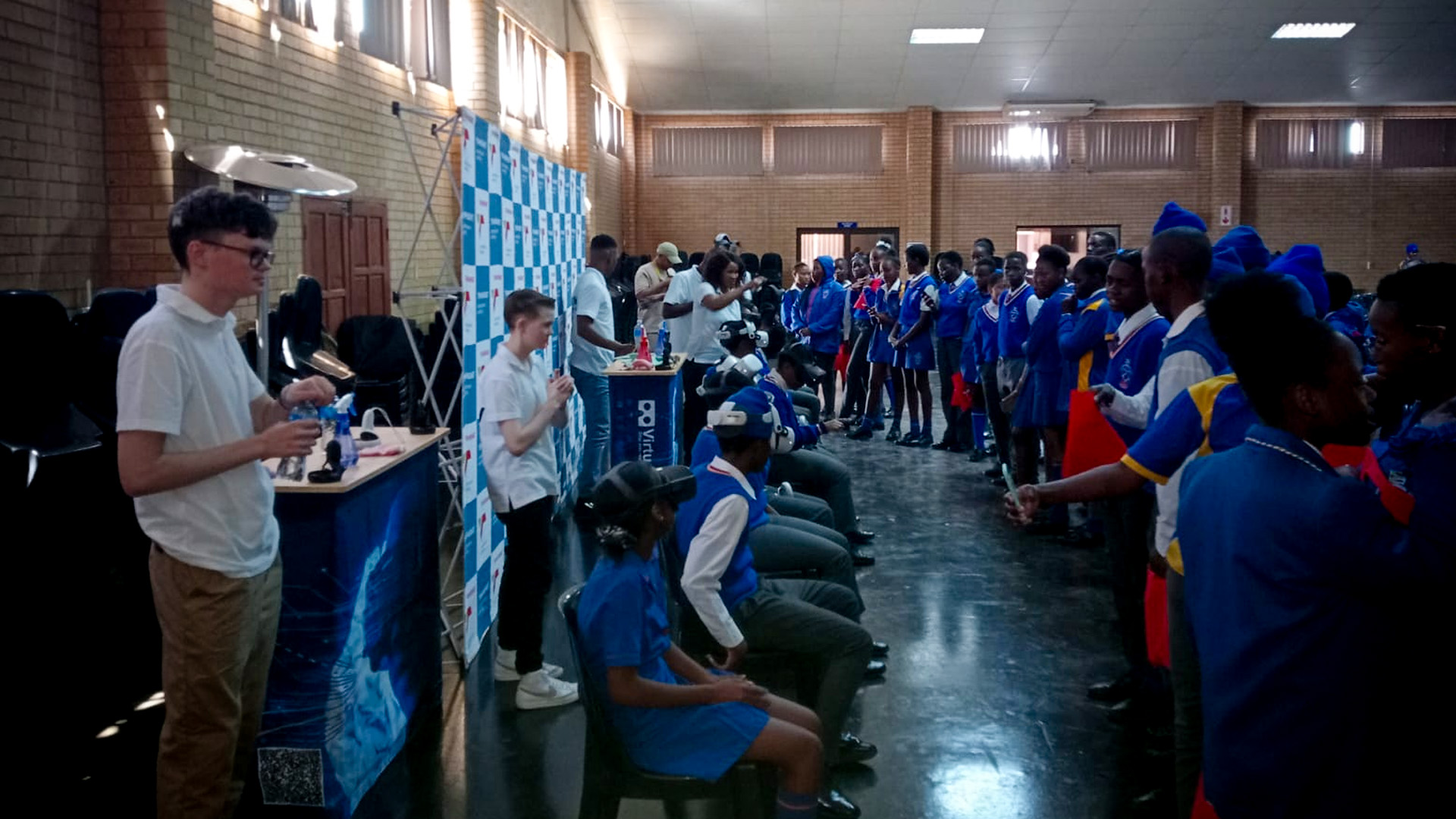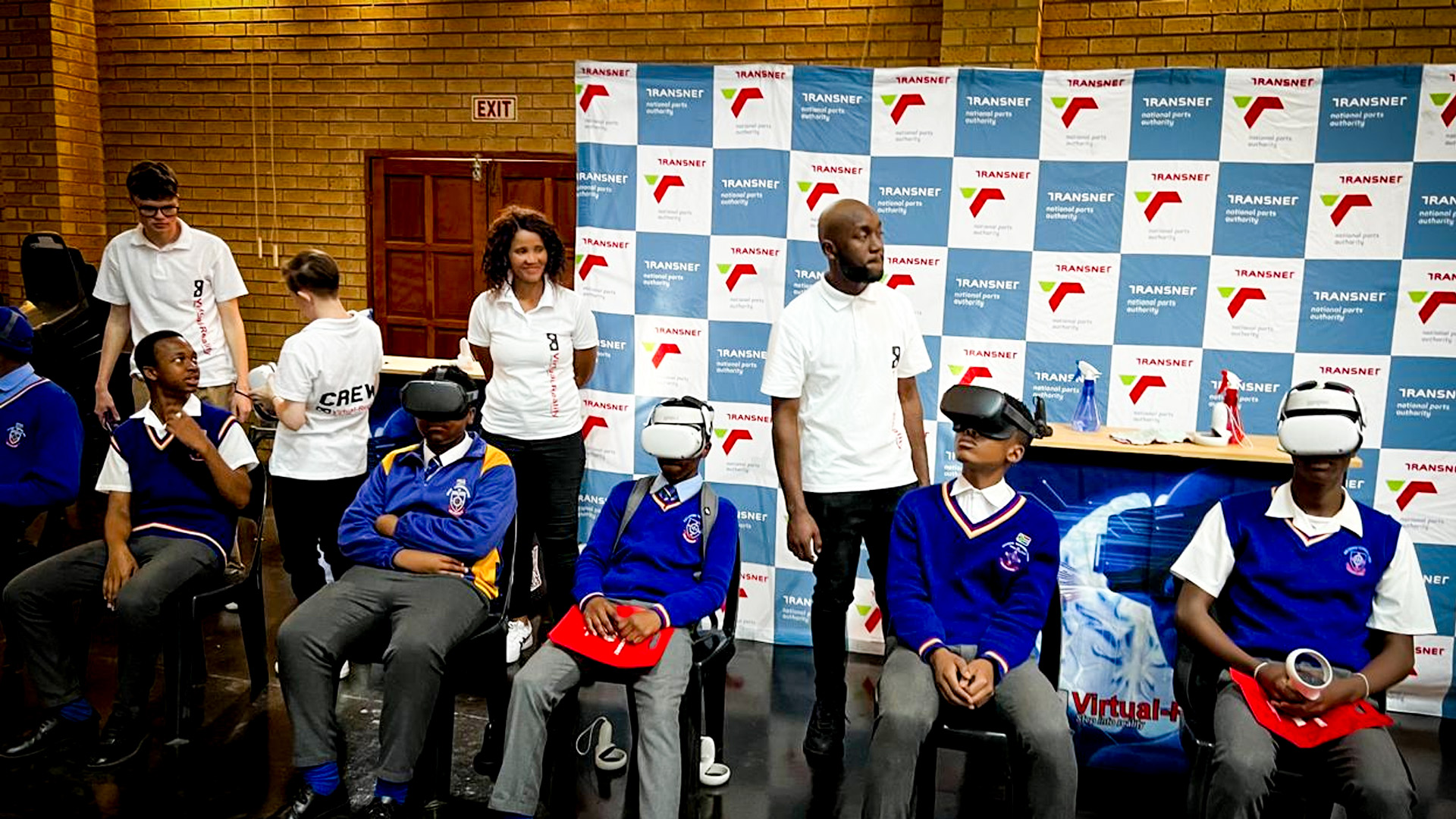

Virtual Reality (VR) is transforming the educational landscape, offering immersive, interactive learning experiences that extend far beyond traditional classroom settings. Recently, we had the opportunity to leverage this cutting-edge technology in an exciting collaboration with Transnet to introduce South Africa’s major ports to a group of young learners. This special school activation aimed to combine the power of education with the visual and experiential advantages of VR, offering students a unique window into the critical functions of these ports and their role in the global economy.
By utilizing VR, we sought to spark curiosity and inspire students to explore the fascinating world of logistics, trade, and maritime operations. The students were able to virtually step inside these important hubs, seeing firsthand how goods flow in and out of South Africa, and understanding how the country is connected to the rest of the world. Through this immersive experience, they could grasp the sheer scale of operations, from massive cargo ships to sophisticated port infrastructure.
To bring this vision to life, we deployed ten VR headsets and created a series of 360-degree videos tailored to this educational journey. The videos offered students a panoramic view of South Africa’s eight major ports, allowing them to explore the layout, infrastructure, and daily operations of each one. This innovative learning approach provided a dynamic, in-depth look into the busy world of global trade and logistics. It also deepened their understanding of how these ports serve as gateways to international markets, contributing significantly to the nation’s economy. By blending fun with education, we created a memorable experience that highlighted the crucial connection between South Africa’s ports and the global marketplace.
Immersing Students in the World of Ports
The VR activation was meticulously designed to be both educational and captivating. By giving students a virtual tour of South Africa’s ports, we provided them with a firsthand glimpse into the vast scale and intricacies of maritime operations. Students could virtually observe massive cargo ships being loaded, cranes lifting containers, and workers orchestrating these essential logistics. Each video showcased the unique operations of South Africa’s ports—from the bustling trade at Durban’s port, one of the busiest in Africa, to the more specialized focus on energy sectors at Mossel Bay. This comprehensive perspective highlighted the diverse and critical roles these ports play in the country’s economy.
As soon as the students donned the VR headsets, they were immediately transported into a world far beyond their classrooms. Suddenly, they were standing on the docks, surrounded by the sights and sounds of a port in full swing. The immersive nature of VR made them feel as though they were right in the middle of the action, witnessing maritime operations from an insider’s view. This hands-on, engaging method of learning provided an entirely new and exciting dimension to their understanding of global trade and logistics.
What made this experience truly special was the way it combined technical insights with the human element. The videos didn’t just show machines and containers—they focused on the teamwork and effort required to keep such large-scale operations running smoothly. This blend of information and immersion made complex concepts not only more understandable but also more engaging, transforming what could have been a dry lesson into an unforgettable adventure.
The Role of Ports in South Africa’s Economy
South Africa’s location at the southernmost point of Africa positions it as a key maritime hub. With access to both the Atlantic and Indian Oceans, the country’s eight major ports serve as critical gateways for international trade, facilitating the import and export of goods ranging from minerals and agricultural products to manufactured goods and energy resources.
During the VR activation, students learned that these ports are the lifeblood of South Africa’s economy. Managed primarily by Transnet, the state-owned entity responsible for overseeing port and rail infrastructure, the ports ensure the seamless movement of goods between the country and global markets. Transnet’s role is vital—they not only manage the logistics of handling cargo and docking ships but also connect ports to inland regions via an extensive rail network. Without these efficient operations, South Africa’s ability to participate in international trade would be severely impacted.
The VR experience was designed to bridge the gap between the students’ daily lives and the often-overlooked world of global commerce. Many of them may never have considered how essential ports are to the products they use daily. Through this immersive experience, they could tangibly grasp the importance of logistics, shipping, and trade, offering them a fresh and enlightening perspective on the economic infrastructure that shapes their world.
Highlighting South Africa’s Ports
During the activation, we spotlighted eight of South Africa’s most significant ports, each offering unique operations that play vital roles in the country’s economy.
Saldanha Bay: As South Africa’s deepest and largest natural port, Saldanha Bay is primarily known for exporting iron ore. Students virtually explored its massive ships and extensive loading docks, gaining a rare look into the logistics behind one of the country’s largest export industries.
Cape Town: The Port of Cape Town serves as both a major trade hub and a tourist attraction. The virtual tour showcased the bustling port, set against the iconic backdrop of Table Mountain, which captivated students. They experienced the dual nature of this port—balancing heavy industry with its role in tourism.
Port Elizabeth (Gqeberha): A key player in automotive shipping, this port’s VR experience allowed students to witness the intricate process of loading cars onto ships. This behind-the-scenes glimpse into automotive logistics was a revelation for many of them, making the experience even more impactful.
Durban: As Africa’s busiest port, Durban’s VR video was a hive of activity. The students were particularly impressed by the scale of the operations, especially the sight of massive container ships and cutting-edge logistics facilities. They saw firsthand how Durban keeps goods moving across the continent.
Mossel Bay: Renowned for its oil and gas focus, Mossel Bay’s virtual tour introduced students to offshore drilling platforms and specialized ships used in the energy sector. This exposure broadened their understanding of the country’s energy infrastructure and its global significance.
Richards Bay: One of the largest coal-exporting ports in South Africa, Richards Bay left students in awe of the immense machinery used to handle cargo. The VR experience provided a close-up look at the sheer scale of these industrial operations.
East London: As South Africa’s only river port, East London focuses heavily on automotive shipping. The students were intrigued by its unique location and operations, especially how the port facilitates the export of vehicles through its specialized facilities.
Ngqura: A relatively new port located near Port Elizabeth, Ngqura serves as a major transshipment hub. The VR video showcased its advanced facilities and its role in handling large container ships, emphasizing its importance in global logistics.
Each port was presented as a crucial cog in South Africa’s economic machinery. The VR videos emphasized both the advanced technology involved and the human effort that powers these essential operations, giving students a well-rounded understanding of the country’s maritime industry.
The VR Experience: A Gateway to Learning
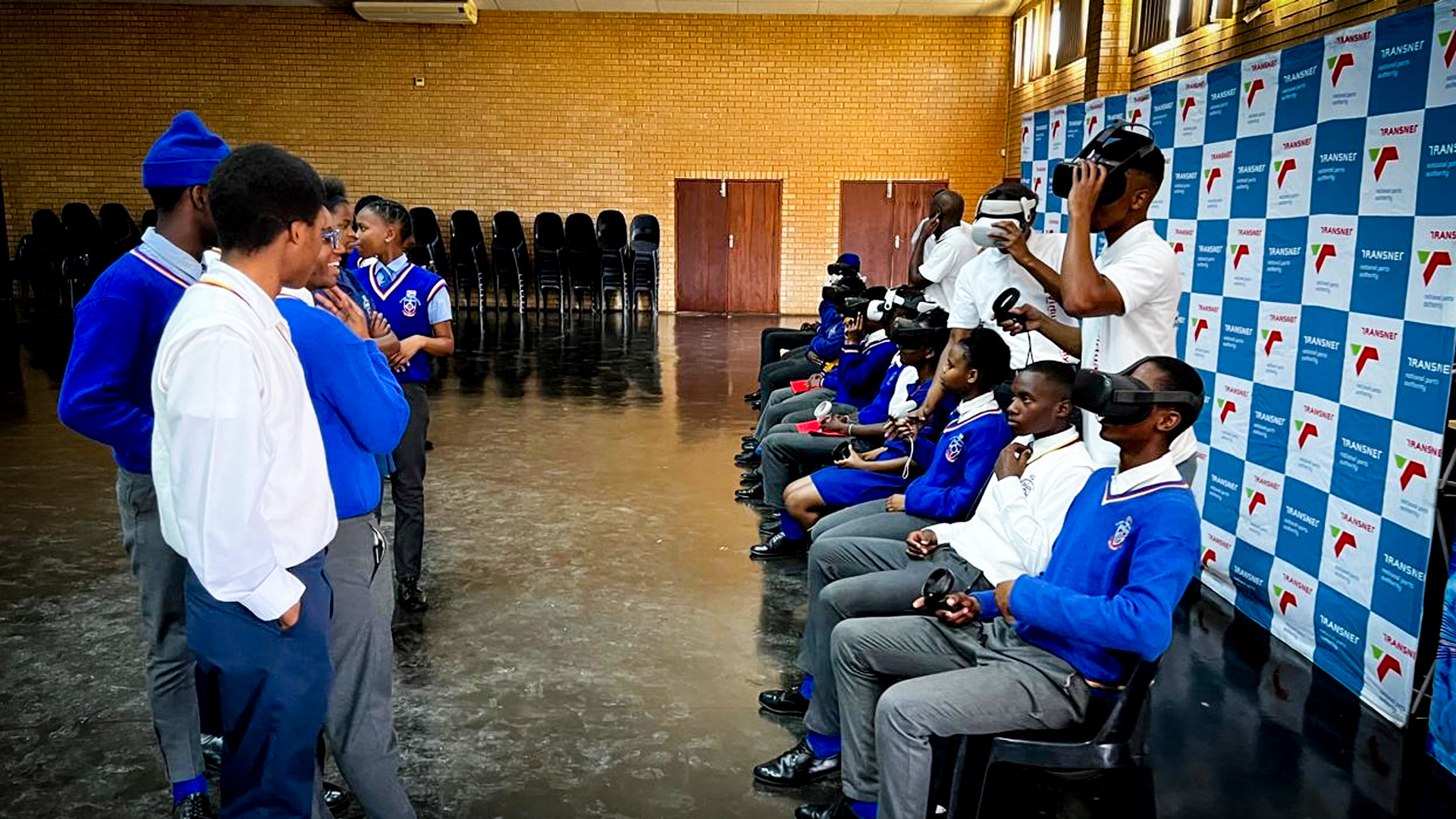
The VR activation was not just about delivering information—it was about crafting a truly immersive experience that would resonate with students long after it ended. Using Oculus Quest 1 and Quest 2 headsets, we ensured high-quality, seamless VR experiences that fully engaged the students. Each headset was preloaded with eight 360-degree videos, allowing them to explore South Africa’s ports in an interactive and customized way.
Upon entering the activation area, students were given the freedom to choose which port they wanted to explore. This level of personalization added a dynamic element to the experience, allowing them to tailor their learning journey based on their interests. Whether they were drawn to the busy port of Durban, known for its large container operations, or Cape Town, a strategic trade and tourist hub, students could embark on a virtual journey that appealed to their curiosity.
The VR setup was designed with simplicity in mind, ensuring that even students who had never experienced virtual reality could adapt quickly. The headsets’ intuitive interface made it easy for them to dive straight into their chosen port. Once they donned the headsets, they were transported to a bustling harbor where they could freely look around and absorb the sights and sounds of port operations.
The use of 360-degree video technology amplified the feeling of presence, making it seem as though the students were physically standing on the docks. From cranes hoisting containers to ships docking and departing, the immersive realism of the VR environment made the experience truly come to life. The combination of vivid visuals and real-world sounds created an unforgettable learning experience, blending education with technology in a way that felt both exciting and deeply engaging.
A New Way to Learn
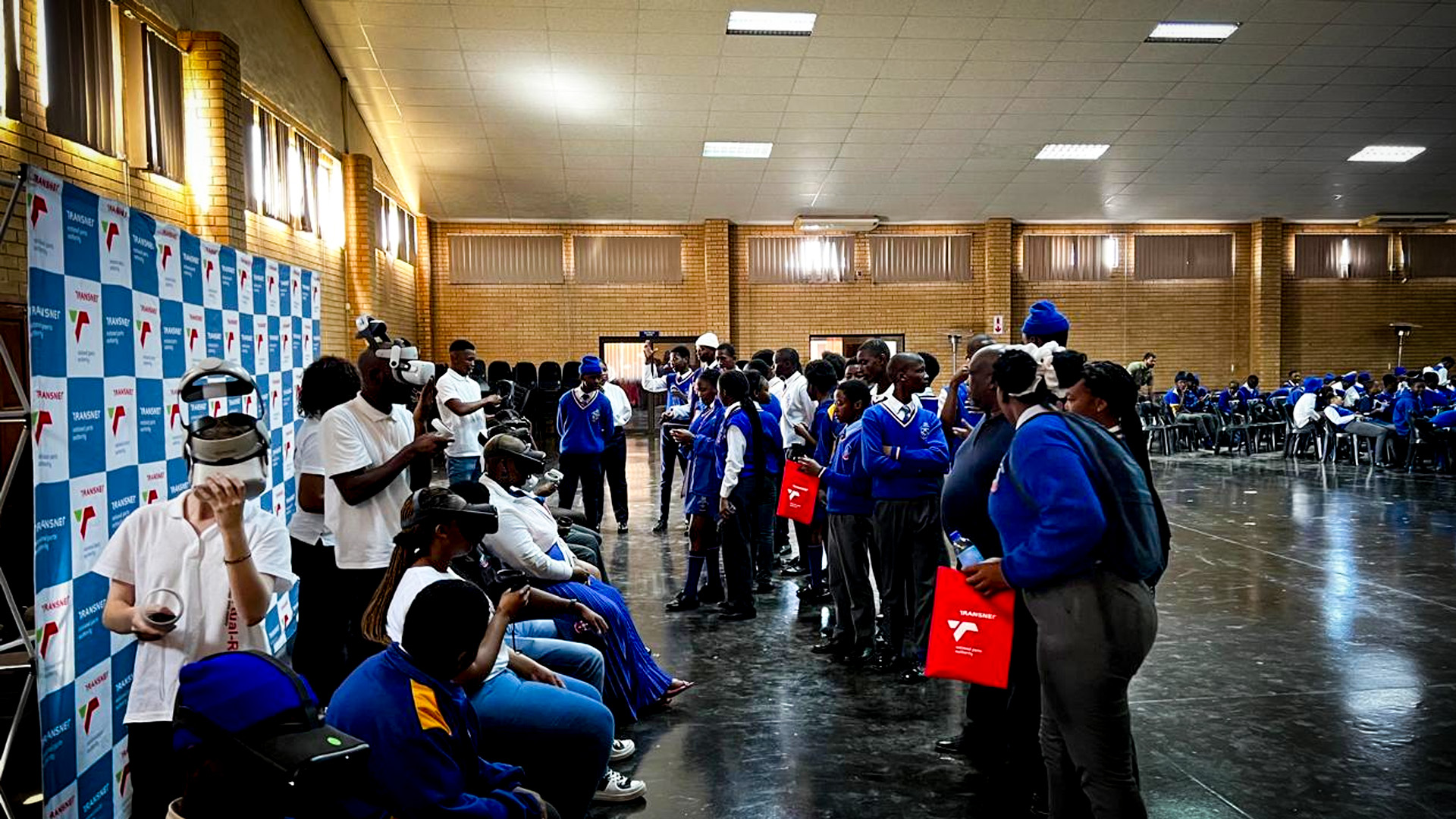
The introduction of VR brought an entirely new dimension to the way students learn about geography, technology, and economics. Traditional methods, such as textbooks, static images, or videos, can provide useful information, but they often fail to capture the scale, complexity, and excitement of the real-world operations they depict. In contrast, VR made the material come alive, immersing students in the subject matter in a way that conventional tools simply cannot achieve.
With VR, students were no longer passive recipients of information—they became active participants in their learning experience. They had the freedom to explore the ports at their own pace, choosing what aspects to focus on based on their interests. Some students were drawn to the precision and power of the massive cranes moving containers, while others found themselves fascinated by the comings and goings of the enormous ships. This interactive, hands-on approach not only made the learning experience more engaging but also helped the students retain the information more effectively.
By the end of the activation, students had gained more than just an understanding of the operations of South Africa’s ports. They had developed a deeper appreciation for the vital role of logistics, shipping, and trade in the global economy. This newfound understanding was not just academic—it was personal, rooted in their direct, immersive experience of the material.
The Impact: Excitement and Curiosity
The students’ reactions to the VR activation were overwhelmingly positive and filled with excitement. For many, it was their first time using VR technology, and their enthusiasm was contagious. One student eagerly exclaimed, “It’s like I’m actually there!” while exploring the Port of Durban, amazed at how lifelike the experience felt. Another student remarked that he could “almost feel the ocean breeze,” underscoring how real the virtual environment seemed to them.
Teachers were equally enthusiastic about the potential of VR as a learning tool. One teacher noted that VR could revolutionize future geography lessons, making abstract concepts easier to grasp through immersive, tangible experiences. The overwhelmingly positive feedback from both students and educators highlighted the success of the activation, demonstrating VR’s powerful potential to transform education by making learning more interactive, engaging, and memorable.
The Future of VR in Education
The VR activation was not just a singular event; it showcased the transformative potential of virtual reality to revolutionize education. By transcending geographical and logistical limitations, VR empowers students to explore environments they might never have the opportunity to visit in person. Whether it’s delving into the intricate workings of South Africa’s ports, touring iconic historical landmarks, or immersing themselves in the wonders of the ocean depths, the possibilities for immersive learning experiences are virtually limitless.
As VR technology continues to advance, its applications within the classroom will expand exponentially. The Transnet activation highlighted how VR can engage students in ways traditional methods cannot, making complex subjects more accessible and igniting curiosity about the world around them. This interactive approach not only enriches students’ understanding but also fosters a desire to explore and learn more.
The success of the Transnet VR activation underscored its impact, providing students with an unforgettable learning experience that transcended conventional educational methods. By merging cutting-edge technology with real-world content, we offered a hands-on, immersive educational journey that resonated deeply with the students. The excitement and enthusiasm generated during the activation demonstrated the effectiveness of VR as a tool for enhancing education.
As we look ahead, it’s thrilling to consider the future of VR in education. The potential applications are vast, ranging from virtual field trips to collaborative projects with students worldwide. We are eager to continue innovating and discovering new ways to inspire and engage the next generation of learners. By integrating VR into education, we can create a richer, more dynamic learning environment that prepares students to navigate an increasingly complex and interconnected world.