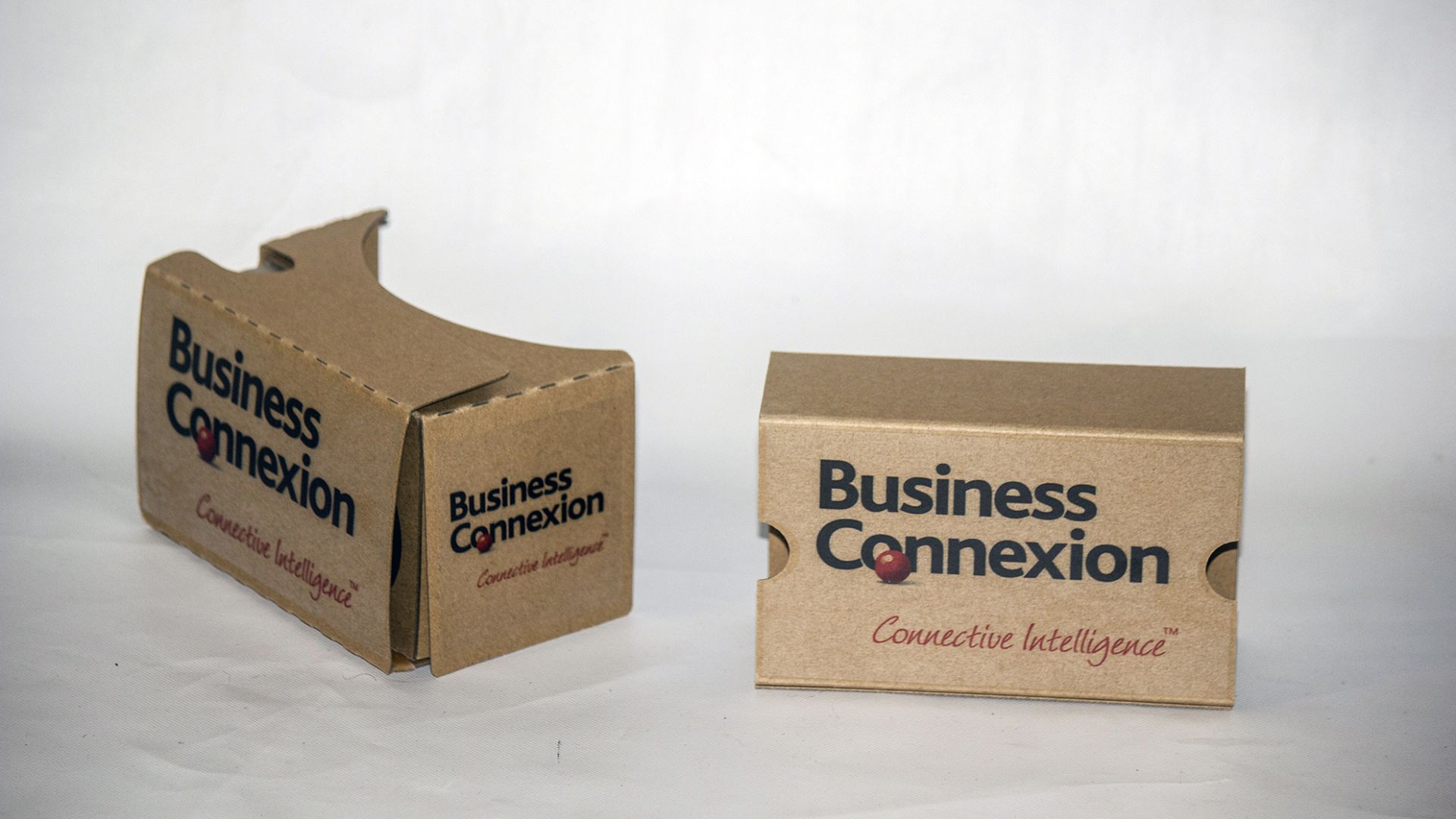

Google Cardboard Virtual Reality (VR) headsets represent a revolutionary tool in modern education, offering a cost-effective and accessible way to bring immersive learning experiences to classrooms worldwide. Designed by Google, these headsets are made from simple cardboard materials, yet they unlock the powerful capabilities of virtual reality when paired with a high-end smartphone. This combination creates a versatile and affordable VR solution that can transform the educational landscape.
Benefits of Google Cardboard VR in Education
One of the most significant benefits of using Google Cardboard VR headsets in education is their ability to provide students with memorable and immersive experiences that traditional teaching methods cannot offer. Imagine students embarking on virtual field trips to ancient civilizations, exploring the inner workings of the human body, or traveling through the solar system—all without leaving their classroom. These experiences can make learning more engaging and effective by providing a visual and interactive dimension to abstract concepts.
Simple and Effective Design
The simplicity of Google Cardboard’s design is a key factor in its suitability for educational settings. The headset consists of a cardboard holder that securely fits a smartphone, along with two magnifying lenses that create a stereoscopic 3D effect. This straightforward design makes it easy for teachers and students to set up and use, reducing the technical barriers often associated with more complex VR systems. Unlike other VR headsets that require extensive setup and calibration, Google Cardboard can be assembled within minutes, allowing educators to focus more on the content and less on the technology.
The low cost of Google Cardboard headsets makes it feasible for schools with limited budgets to integrate VR into their curricula. Traditional VR systems can be prohibitively expensive, often requiring significant investment in hardware and software. In contrast, Google Cardboard can be produced at a fraction of the cost, making it an accessible option for a wide range of educational institutions. This affordability ensures that a greater number of students can experience immersive learning, leveling the playing field for schools that may not have the financial resources to invest in high-end technology.
The flexibility of Google Cardboard also enhances its educational potential. It can be used with a variety of smartphone models and is compatible with numerous educational apps and VR experiences available on platforms like Google Play and the Apple App Store. This versatility allows teachers to tailor VR experiences to their specific lesson plans, whether it’s exploring the human body in a biology class, visiting historical sites for a history lesson, or experiencing the vastness of space in an astronomy course.
Catering to Different Learning Styles
In addition to enhancing engagement, VR can cater to different learning styles and needs. Visual learners, for instance, can benefit from the rich, immersive imagery that VR provides, making abstract concepts more concrete and easier to understand. They can explore detailed visualizations, such as 3D models of the human body or interactive simulations of historical events, which can help reinforce their understanding through vivid and realistic representations.
Kinesthetic learners, on the other hand, can interact with virtual environments to better grasp difficult concepts. VR allows these learners to engage in hands-on activities within a safe and controlled virtual space. For example, they can perform virtual science experiments, conduct engineering tasks, or explore virtual geographical terrains, which can enhance their comprehension through active participation and physical manipulation. This interactive aspect of VR provides a more dynamic learning experience that traditional teaching methods may not offer.
Additionally, VR can be tailored to auditory learners through experiences that include sound-based cues and verbal instructions. These learners can benefit from audio-guided tours, narrated simulations, and interactive dialogues within the virtual environment. This auditory reinforcement can help them process information more effectively and retain knowledge longer.
Applications Across Various Subjects
Google Cardboard VR headsets can be used across various subjects and grade levels, transforming the way students learn by providing immersive and interactive experiences. In science classes, students can conduct virtual lab experiments, allowing them to explore complex scientific concepts in a safe and controlled environment. They can manipulate virtual chemicals, observe reactions, and analyze results without the risks associated with traditional labs. Additionally, students can explore ecosystems in 360-degree environments, observing flora and fauna in their natural habitats. This immersive experience can deepen their understanding of ecological relationships and environmental science, making abstract concepts more tangible and memorable.
Google Cardboard VR headsets offer versatile applications across various subjects and grade levels. By providing immersive and interactive experiences, VR can enhance student engagement, deepen understanding, and make learning more dynamic and enjoyable across the curriculum.
Developing Digital Literacy Skills
The integration of Google Cardboard VR headsets into the classroom also encourages the development of digital literacy skills. As students navigate and interact with VR content, they become more adept at using modern technology, preparing them for a future where digital proficiency is increasingly important. By engaging with VR, students learn to operate new devices, understand the basics of software applications, and troubleshoot common technical issues. These experiences build their confidence in using technology, making them more comfortable with digital tools and platforms. Moreover, as students create their own VR content, such as virtual tours or simulations, they gain valuable skills in digital media production, including graphic design, 3D modeling, and coding. These competencies are essential in a digital age where technological skills are increasingly demanded in the workforce.
Google Cardboard Virtual Reality headsets offer a transformative approach to education by making immersive and interactive learning experiences accessible to all. Their affordability, ease of use, and versatility make them an ideal tool for modern classrooms, capable of enhancing student engagement, catering to various learning styles, and enriching educational content across multiple subjects. The low cost of Google Cardboard headsets ensures that schools with limited budgets can still provide students with cutting-edge educational experiences. This democratization of technology means that more students, regardless of their socio-economic background, can benefit from the advantages of VR.
The ease of use of Google Cardboard headsets further supports their integration into the classroom. Teachers do not need extensive technical training to implement VR lessons, and students can quickly learn to use the headsets independently. This user-friendly design minimizes disruptions and maximizes instructional time, allowing educators to seamlessly incorporate VR into their teaching strategies.
Google Cardboard VR headsets offer a practical and impactful way to integrate virtual reality into education. By enhancing student engagement, supporting diverse learning styles, and developing essential digital skills, VR can significantly enrich the educational experience. As schools continue to adopt and innovate with this technology, the potential for creating more engaging, inclusive, and effective learning environments will only grow.