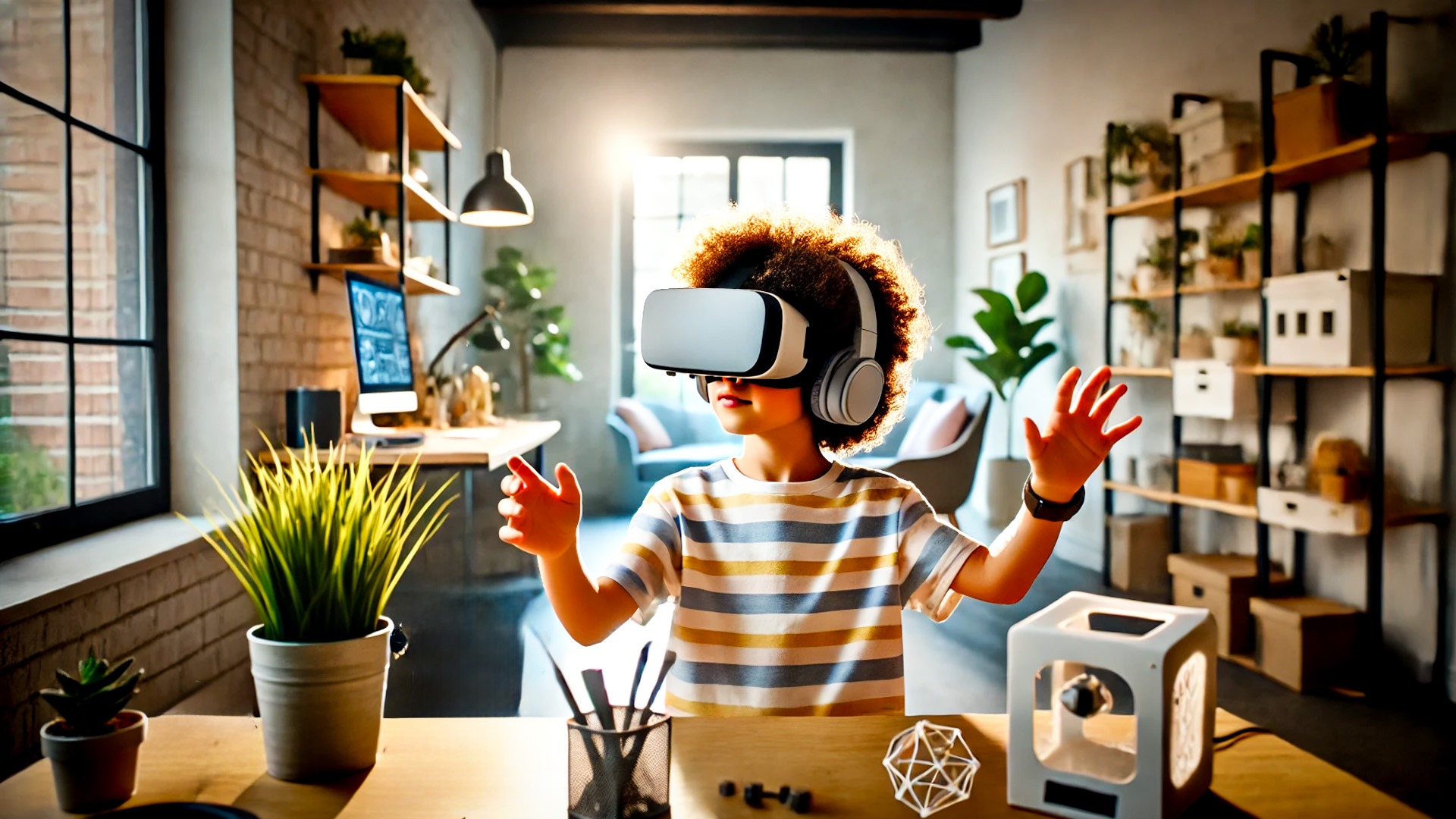

Education is at the precipice of a transformative era. As we delve deeper into the 21st century, the integration of technology in education is no longer just an option—it is a necessity. Among the various technological advancements, Virtual Reality (VR) stands as a pioneering force capable of revolutionizing how we perceive and engage with learning. By offering immersive, interactive experiences, VR transcends the limitations of traditional education methods, creating a dynamic learning environment where students can explore, interact, and understand complex concepts in ways that were once unimaginable. This is particularly true for STEM (Science, Technology, Engineering, and Mathematics) education, where the abstract and often challenging nature of the subjects demands innovative approaches to make them accessible and engaging for all learners.
Understanding STEM: Why It Matters in the Modern World
STEM education is not merely an academic focus; it is the backbone of modern society. The disciplines of science, technology, engineering, and mathematics are integral to the development of critical thinking, problem-solving skills, and innovative solutions that drive progress in virtually every sector. From medical advancements to technological innovations, STEM is at the heart of societal evolution. In a world increasingly dominated by technology, understanding STEM is essential not just for those pursuing careers in these fields, but for anyone looking to thrive in a rapidly changing global landscape. As industries evolve and new challenges arise, a solid foundation in STEM is crucial for fostering a generation capable of addressing the complexities of tomorrow’s world.
The Current Challenges in STEM Education
Making Abstract Concepts Tangible: The Struggle with Traditional Methods
Traditional educational methods often fall short when it comes to teaching abstract STEM concepts. Diagrams on a page, static models, and theoretical explanations can only go so far in helping students grasp the intricacies of topics like molecular biology, quantum mechanics, or differential equations. These subjects require a level of spatial reasoning and conceptual visualization that can be difficult to achieve through conventional means. The gap between understanding and application becomes even more pronounced as students advance in their studies, leading to frustration and disengagement. The struggle to make abstract concepts tangible has long been a challenge in STEM education, calling for innovative tools that can bridge the gap between theory and practice.
Student Engagement: Overcoming the Boring Stigma of STEM Subjects
STEM subjects have long been plagued by a reputation for being difficult and, to some, boring. This stigma, often perpetuated by outdated teaching methods, can deter students from fully engaging with these vital fields. When students are presented with dry lectures, dense textbooks, and minimal opportunities for hands-on learning, it’s no wonder that their interest wanes. Overcoming this stigma is essential not only for keeping students engaged but for ensuring that they develop the skills and knowledge needed to excel in STEM disciplines. To do this, educators must find ways to make STEM subjects more accessible, relatable, and, most importantly, exciting.
Accessibility Issues: Bridging the Gap in Resource-Scarce Environments
Accessibility is another significant hurdle in STEM education. In many parts of the world, schools lack the necessary resources—such as laboratories, advanced technology, and trained educators—to provide students with a comprehensive STEM education. This disparity creates a significant gap between students in resource-rich environments and those in underfunded schools, limiting opportunities for countless young minds. Bridging this gap requires not only physical resources but also innovative solutions that can bring high-quality STEM education to all students, regardless of their geographical or economic circumstances. Ensuring that every student has the opportunity to engage with and excel in STEM is critical to fostering a more equitable and capable future workforce.
How Virtual Reality Revolutionizes STEM Learning
Immersive Learning Environments: Creating Context for Complex Ideas
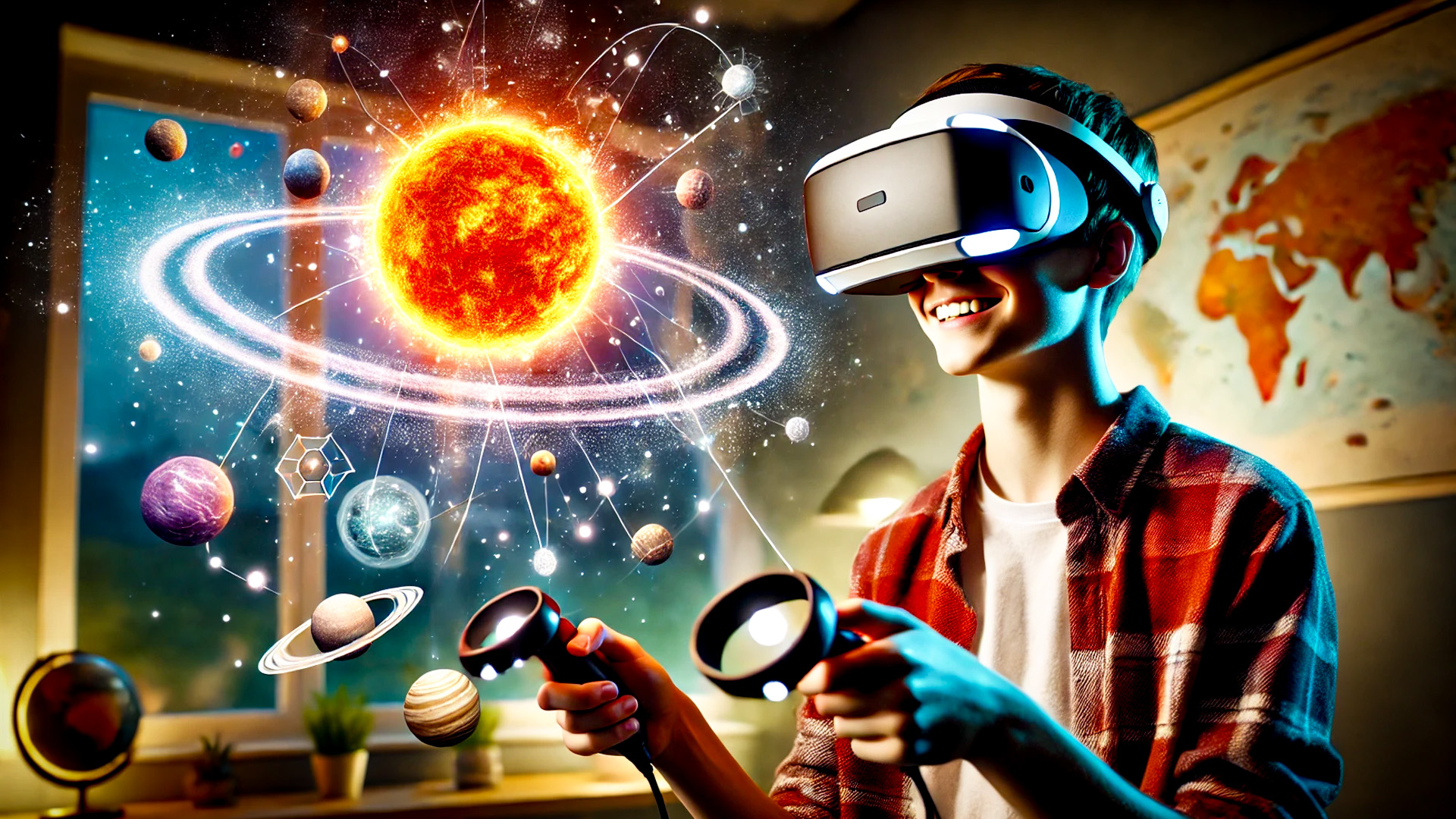
Virtual Reality offers an unprecedented opportunity to create immersive learning environments that contextualize complex ideas in a way that is both engaging and comprehensible. Imagine a student studying human anatomy by virtually walking through the chambers of a beating heart, or exploring the vastness of space by navigating through a simulated solar system. These experiences provide a contextual framework that helps students not only understand but also retain complex information. By placing students within the very systems they are studying, VR transforms passive learning into active exploration, making education a dynamic and interactive process.
Visualizing the Invisible: Bringing Abstract Concepts to Life
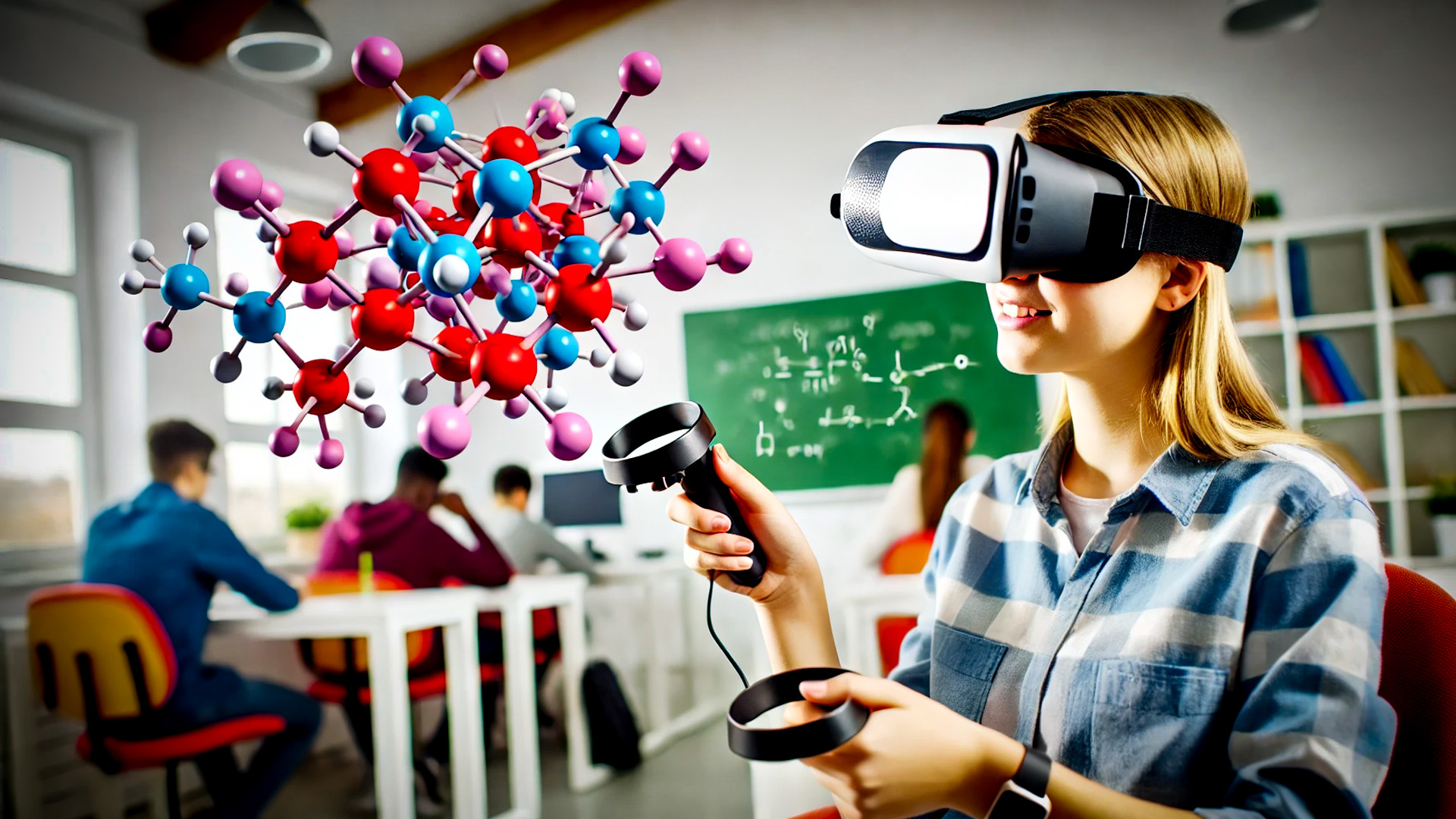
One of the most significant advantages of VR in STEM education is its ability to make the invisible visible. Many scientific concepts—such as the atomic structure of a molecule, the forces acting upon a bridge, or the gravitational pull between celestial bodies—are difficult to visualize through traditional methods. VR allows students to interact with these concepts in a three-dimensional space, providing a level of clarity and understanding that is difficult to achieve otherwise. By bringing abstract ideas to life, VR not only enhances comprehension but also ignites curiosity, encouraging students to explore and ask questions that deepen their understanding of the material.
Interactive Simulations: Engaging Students in Hands-On Learning
Hands-on learning is a critical component of STEM education, and VR excels in providing interactive simulations that engage students in the learning process. Whether it’s conducting a virtual chemistry experiment, building a digital circuit, or simulating the effects of climate change, VR allows students to experiment, observe outcomes, and learn from their mistakes in a risk-free environment. These simulations provide immediate feedback and allow for repeated practice, helping students build a deeper, more intuitive understanding of complex concepts. The interactive nature of VR also fosters critical thinking and problem-solving skills, as students must navigate challenges and find solutions in real-time.
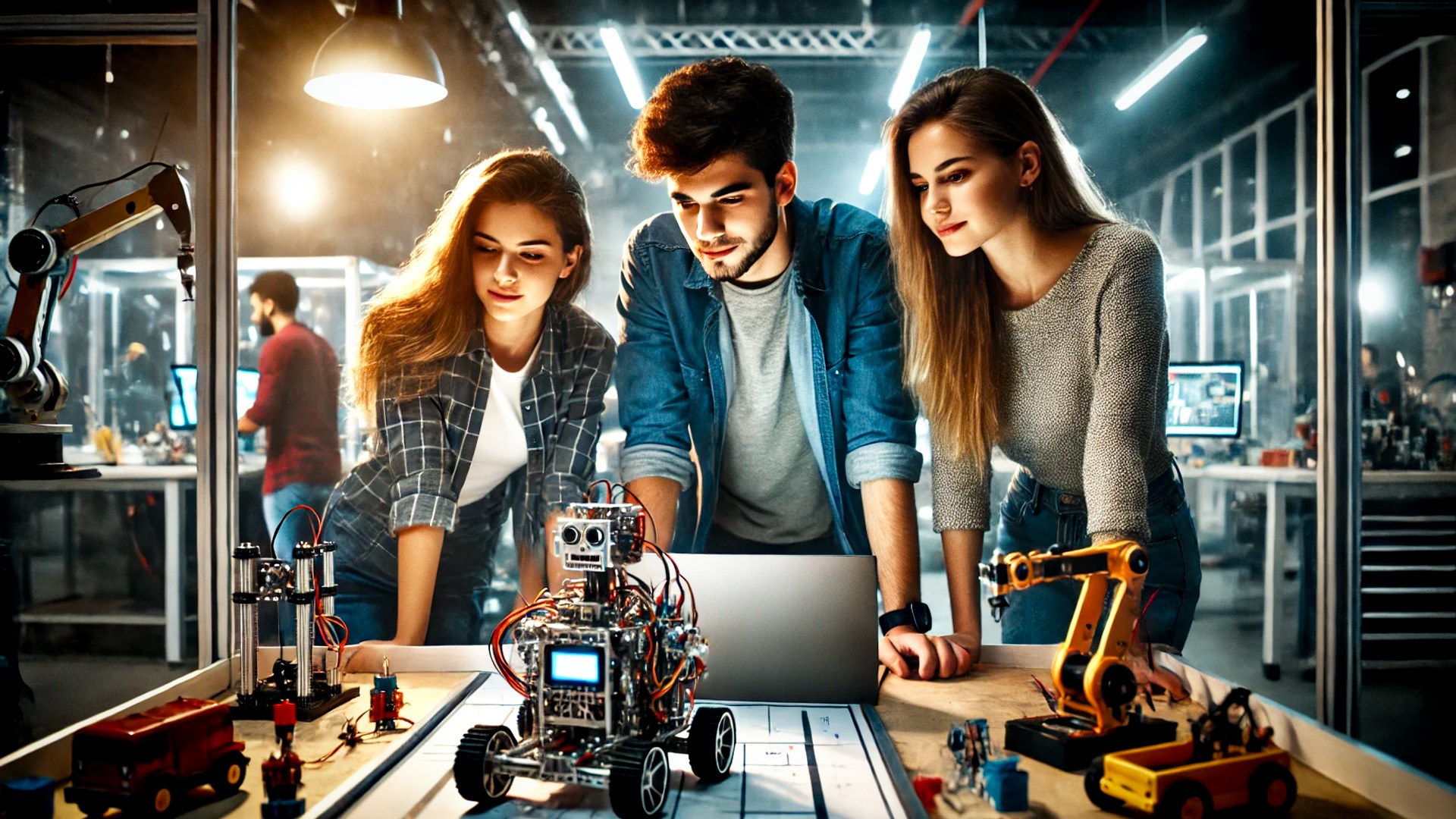
Making STEM Subjects More Accessible Through VR
Breaking Down Geographical Barriers: Access to High-Quality Education Anywhere
One of the most transformative aspects of VR is its ability to break down geographical barriers, making high-quality STEM education accessible to students anywhere in the world. In remote or underfunded regions where access to advanced educational resources is limited, VR can provide a virtual classroom that is just as effective as any physical one. Students can participate in virtual labs, attend lectures from world-renowned scientists, and collaborate with peers across the globe, all from the comfort of their own homes. This democratization of education ensures that every student, regardless of their location, has the opportunity to engage with and excel in STEM.
Democratizing Learning: Equal Opportunities for All Students
VR has the potential to democratize learning by providing equal opportunities for all students to engage with high-quality STEM education. In traditional classrooms, disparities in resources, teaching quality, and access to technology can create unequal learning experiences. VR levels the playing field by offering a standardized, immersive educational experience that can be tailored to meet the needs of individual students. This ensures that every student, regardless of their background, has the chance to explore STEM subjects and develop the skills they need to succeed in the modern world.
Tailored Learning Experiences: Catering to Different Learning Styles and Paces
One of the key benefits of VR in education is its ability to cater to different learning styles and paces. In a traditional classroom, students often have to conform to a one-size-fits-all approach, which can be challenging for those who learn differently. VR allows for personalized learning experiences, where students can progress at their own pace and engage with material in ways that suit their learning style. Whether a student learns best through visual, auditory, or kinesthetic means, VR can provide an experience that meets their needs, helping them to understand and retain complex concepts more effectively.
Engaging Students with Gamified VR Experiences
Turning Learning into Play: The Role of Gamification in STEM
Gamification is a powerful tool for engaging students in STEM education, and VR provides the perfect platform for turning learning into play. By incorporating game-like elements such as points, levels, and challenges, VR can make learning fun and exciting, encouraging students to engage with material in a more meaningful way. Gamified VR experiences not only capture students’ attention but also motivate them to persist through difficult tasks, fostering a growth mindset that is essential for success in STEM.
Motivating Through Achievement: Badges, Rewards, and Progress Tracking
In addition to making learning more enjoyable, gamification in VR also provides powerful motivators for students to achieve. Badges, rewards, and progress tracking systems can be used to recognize students’ accomplishments and encourage them to continue pushing their limits. These elements not only provide immediate gratification but also help students set and achieve long-term goals, building confidence and competence in their STEM abilities.
Fostering Collaboration: Multiplayer VR Experiences in the Classroom
Collaboration is a critical skill in STEM fields, and VR can foster teamwork and cooperation through multiplayer experiences. Whether it’s working together to solve a complex problem, building a virtual structure, or conducting a group experiment, VR allows students to collaborate in a shared virtual space, regardless of their physical location. These collaborative experiences not only enhance students’ understanding of the material but also help them develop the communication and teamwork skills that are essential for success in the modern workforce.
Real-World Applications: How VR Is Already Enhancing STEM Education
Case Studies: Schools and Universities Leading the Charge
Across the globe, schools and universities are beginning to integrate VR into their STEM curriculums, with impressive results. Case studies from institutions that have adopted VR in their classrooms show that students are more engaged, more motivated, and better able to grasp complex concepts. These early adopters are paving the way for the widespread use of VR in education, demonstrating its potential to transform the way we teach and learn.
Industry Partnerships: Collaborating with Tech Companies for Educational Content
To fully realize the potential of VR in STEM education, collaboration between educational institutions and technology companies is essential. Many tech companies are now partnering with schools and universities to develop high-quality VR educational content that is both engaging and pedagogically sound. These partnerships not only provide schools with the resources they need to implement VR but also ensure that the content is relevant, up-to-date, and aligned with educational standards.
Research and Results: The Measurable Impact of VR on STEM Learning Outcomes
Research into the impact of VR on STEM education is still in its early stages, but the results so far are promising. Studies have shown that students who learn through VR are more engaged, more motivated, and better able to retain information than those who learn through traditional methods. As more research is conducted, we can expect to see even more evidence of the benefits of VR in education, further cementing its role as a transformative tool for teaching and learning.
Overcoming the Challenges of Implementing VR in STEM Education
Cost and Accessibility: Making VR Affordable and Scalable
One of the main challenges of implementing VR in education is the cost of the technology. VR headsets, software, and the necessary hardware can be expensive, making it difficult for some schools to afford. However, as the technology becomes more widespread and the costs come down, VR is becoming increasingly accessible to schools of all sizes. In addition, there are now many affordable VR options available, making it possible for even resource-scarce schools to implement VR in their classrooms.
Teacher Training: Equipping Educators to Use VR Effectively
For VR to be effective in the classroom, teachers must be trained to use the technology and integrate it into their teaching. Many educators are not familiar with VR and may be hesitant to use it in their classrooms. Providing teachers with the necessary training and support is essential to ensure that VR is used effectively and to its full potential. This training should not only cover the technical aspects of VR but also how to use it to enhance learning and engage students.
Addressing Health and Safety Concerns: Ensuring Safe Use in the Classroom
As with any new technology, there are health and safety concerns associated with the use of VR in the classroom. Prolonged use of VR headsets can cause eye strain, motion sickness, and other physical discomforts. It is important for schools to establish guidelines for the safe use of VR, including limiting the amount of time students spend in VR and ensuring that the equipment is used properly. Addressing these concerns is essential to ensuring that VR is a safe and effective tool for education.
The Future of STEM Education with Virtual Reality
Evolving Technologies: What’s Next for VR in Education
The technology behind VR is constantly evolving, and the future of VR in education looks bright. As the technology becomes more advanced, we can expect to see even more immersive and interactive experiences that will further enhance STEM education. From haptic feedback to advanced simulations, the possibilities for VR in education are endless, and the technology is only going to get better.
The Potential of Augmented Reality (AR) and Mixed Reality (MR) in STEM
In addition to VR, other emerging technologies such as augmented reality (AR) and mixed reality (MR) also have the potential to transform STEM education. AR overlays digital information onto the real world, allowing students to interact with virtual objects in their physical environment. MR combines the best of both VR and AR, creating a hybrid reality where virtual and real-world objects coexist and interact. These technologies offer exciting new possibilities for STEM education, and their integration into the classroom is only just beginning.
Preparing Students for the Future: How VR Cultivates Critical Skills for Tomorrow’s Workforce
The skills students develop through VR experiences—such as critical thinking, problem-solving, and collaboration—are exactly the skills they will need to succeed in tomorrow’s workforce. As industries continue to evolve and new challenges emerge, the ability to think creatively and work effectively with others will be more important than ever. By integrating VR into STEM education, we are not only enhancing students’ understanding of complex concepts but also preparing them for the future.
Embracing VR as a Tool for Transforming STEM Education
Virtual Reality has the power to transform STEM education in ways that were once unimaginable. By making learning more immersive, interactive, and accessible, VR is helping to bridge the gap between theory and practice, making STEM subjects more engaging and comprehensible for students of all ages. As the technology continues to evolve, its potential to revolutionize education will only grow, making it an essential tool for preparing students for the challenges of the modern world. By embracing VR in STEM education, we are not only enhancing learning outcomes but also fostering a generation of thinkers, innovators, and problem-solvers who are ready to tackle the complexities of the future.