
Exploring the Cutting-Edge Innovations that are Redefining Learning Experiences
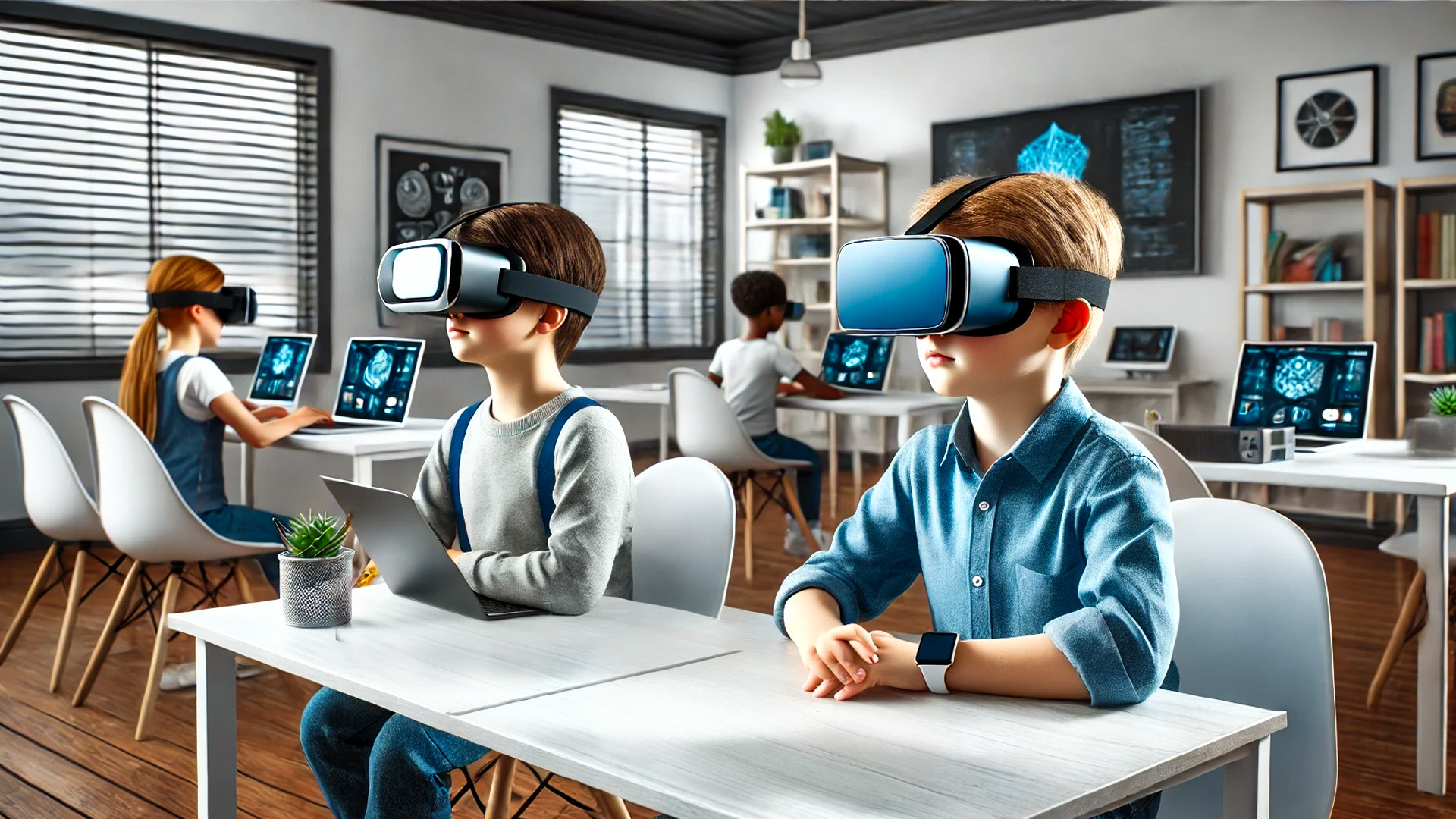
In the rapidly evolving landscape of education, Virtual Reality (VR) has emerged as a pivotal force reshaping how knowledge is imparted and absorbed. By 2025, VR technologies have transcended their initial entertainment-centric applications, embedding themselves deeply into educational frameworks across the globe. This transformation is not merely about integrating new tools but fundamentally redefining the pedagogical approaches that underpin effective learning.
Immersive Learning Environments
Simulated Laboratories and Field Trips
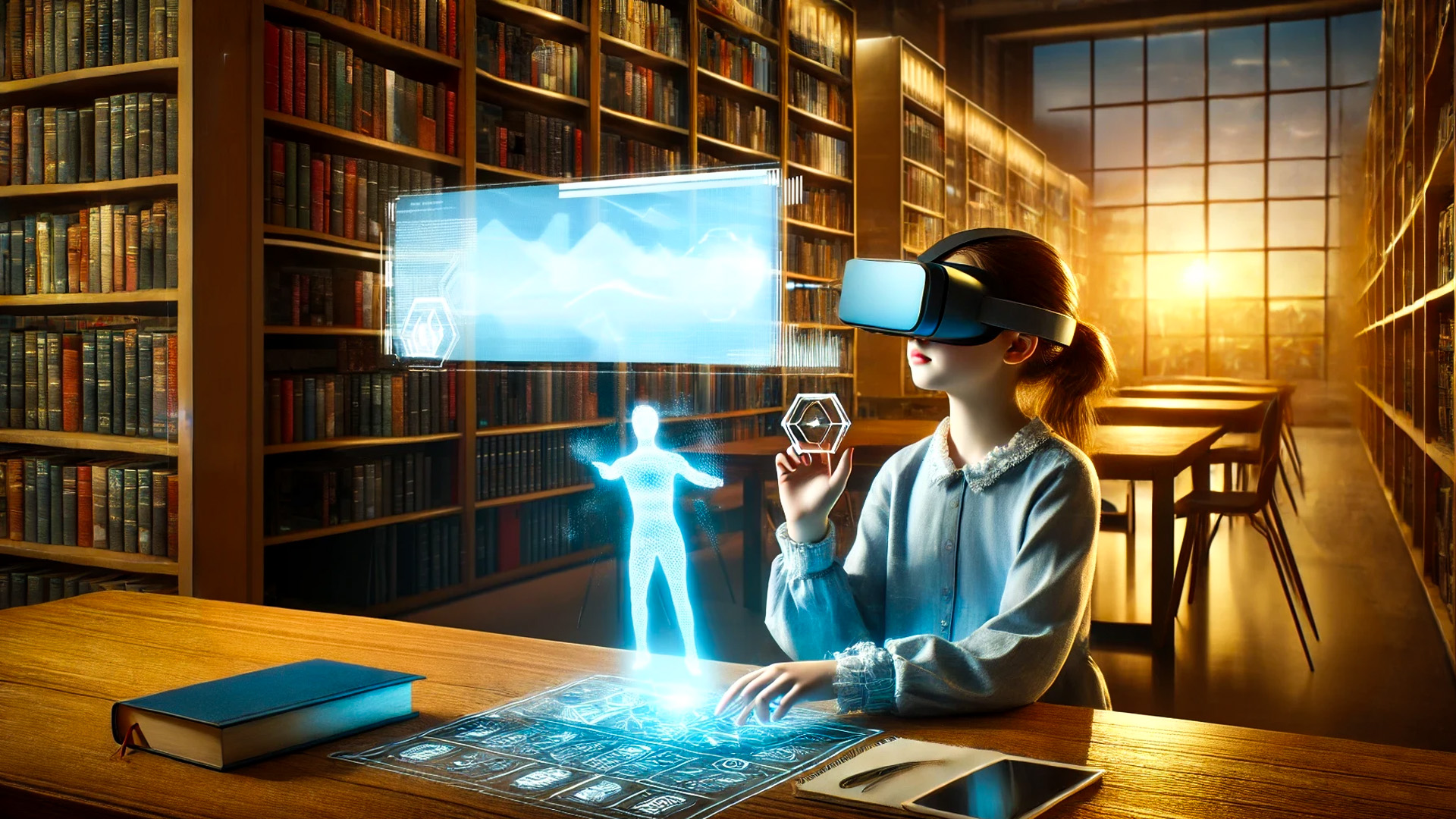
Imagine a biology student navigating the intricate structures of a cell from the inside, or a history class witnessing the grandeur of ancient Rome firsthand. VR has made such immersive experiences a reality, allowing students to engage with subjects in a deeply interactive manner. Simulated laboratories enable experiments that might be too costly, dangerous, or impractical in a traditional setting, fostering a hands-on learning approach that enhances comprehension and retention.
These virtual field trips transcend geographical and financial limitations, providing equal opportunities for all students to explore diverse environments. Whether it’s walking through the surface of Mars or diving into the depths of the ocean, VR expands the horizons of education, making learning an adventurous and memorable journey rather than a static acquisition of facts.
Personalized Learning Paths
Every student has a unique learning style and pace, and VR caters to these individual needs by offering personalized learning paths. Adaptive algorithms analyze a student’s interactions within the VR environment, adjusting the difficulty and type of content accordingly. This level of customization ensures that each learner remains engaged and challenged appropriately, fostering a sense of autonomy and self-directed learning.
VR facilitates differentiated instruction by allowing educators to create multiple scenarios and modules tailored to varying skill levels and interests. This flexibility not only accommodates diverse learners but also promotes inclusivity, ensuring that educational experiences are accessible and effective for everyone, regardless of their starting point.
Enhanced Collaboration and Social Learning
Virtual Reality transforms the traditional classroom into a collaborative virtual space where students from different locations can interact seamlessly. Through shared virtual environments, learners can work together on projects, engage in discussions, and participate in group activities that mirror real-world teamwork. This interconnectedness fosters essential soft skills such as communication, problem-solving, and cooperation, which are critical in today’s globalized world.
Additionally, VR’s social learning capabilities enable the formation of virtual study groups and peer-to-peer mentoring, breaking down barriers of distance and time. These interactive platforms encourage active participation and collective knowledge-building, creating a more dynamic and supportive educational ecosystem.
Cutting-Edge Educational Tools
Interactive 3D Models and Simulations
The ability to visualize complex concepts in three dimensions revolutionizes subjects like engineering, chemistry, and medicine. Interactive 3D models allow students to dissect and examine intricate structures from every angle, facilitating a deeper understanding of spatial relationships and functional mechanisms. Simulations, on the other hand, provide a risk-free environment for experimenting with variables and observing outcomes, promoting critical thinking and scientific inquiry.
These tools not only enhance theoretical knowledge but also bridge the gap between abstract ideas and practical application. By interacting with dynamic models and simulations, students can grasp the nuances of complex systems, preparing them for real-world challenges and fostering a more profound mastery of their subjects.
Virtual Classrooms and Learning Management Systems
Virtual classrooms integrate seamlessly with Learning Management Systems (LMS), creating a cohesive educational platform that supports a wide range of learning activities. These digital spaces offer features such as real-time lectures, interactive whiteboards, and multimedia content, providing a rich and versatile learning environment. The integration of VR into LMS allows for the inclusion of immersive elements, enhancing the overall educational experience.
Virtual classrooms facilitate continuous assessment and feedback through integrated analytics and performance tracking tools. Educators can monitor student progress in real-time, identify areas of improvement, and tailor their instructional strategies accordingly. This data-driven approach ensures that teaching methods are effective and aligned with individual learning needs.
Augmented Reality Integration
While VR creates entirely virtual environments, the integration of Augmented Reality (AR) into educational tools offers a hybrid approach that blends the physical and digital worlds. AR overlays digital information onto the real world, enhancing classroom experiences without fully immersing students in a virtual space. This seamless integration allows for interactive demonstrations, contextual learning, and the augmentation of traditional teaching materials with dynamic digital content.
For example, medical students can use AR to view and interact with 3D representations of human anatomy superimposed on their own bodies, enhancing their practical understanding without the need for cadavers. This synergy between VR and AR technologies provides a comprehensive suite of tools that cater to diverse educational needs and preferences.

Transformative Teaching Methodologies
Flipped Classrooms and Blended Learning
The advent of VR has catalyzed the adoption of flipped classroom models, where traditional lecture-based instruction is complemented by interactive, self-paced VR experiences. In this model, students engage with course material outside the classroom through immersive VR modules, freeing up classroom time for collaborative projects, discussions, and hands-on activities. This shift promotes active learning and ensures that classroom interactions are more meaningful and productive.
Blended learning environments that incorporate VR offer the best of both worlds, combining the flexibility of online education with the interactivity of in-person instruction. This hybrid approach caters to a wide range of learning preferences and schedules, making education more adaptable and accessible to a diverse student body.
Competency-Based Education
Virtual Reality facilitates the implementation of competency-based education (CBE), where students progress based on their mastery of specific skills and knowledge rather than traditional grade levels or time-based metrics. VR environments provide precise, measurable assessments of student performance through interactive tasks and simulations, ensuring that learners achieve the required competencies before advancing.
This approach promotes a more individualized and equitable education system, as it allows students to move at their own pace and focus on areas that require further development. By prioritizing mastery over time spent, CBE ensures that all students achieve a high level of proficiency, preparing them more effectively for future academic and professional endeavors.
Gamification and Engagement Strategies
Incorporating gamification elements into VR education enhances student engagement and motivation by making learning more interactive and enjoyable. Game-like features such as points, badges, leaderboards, and challenges encourage healthy competition and sustained interest in educational activities. These strategies transform mundane tasks into exciting quests, fostering a deeper connection to the learning material.
Gamification in VR can cater to diverse learning styles by incorporating visual, auditory, and kinesthetic elements. This multi-sensory approach ensures that students remain engaged and can absorb information more effectively, leading to improved academic outcomes and a more positive attitude towards learning.
Overcoming Challenges and Ensuring Accessibility
Technological Infrastructure and Investment
The widespread adoption of VR in education necessitates substantial investment in technological infrastructure, including high-performance hardware, reliable internet connectivity, and robust software platforms. Educational institutions must prioritize funding and resources to support the integration of VR technologies, ensuring that all students and educators have access to the necessary tools and environments.
Public and private partnerships can play a crucial role in bridging the investment gap, providing financial support and expertise to facilitate the deployment of VR in schools and universities. Additionally, scalable solutions and open-source platforms can help mitigate costs, making VR education more affordable and accessible to a broader audience.
Training Educators and Developing Curriculum
Effective implementation of VR in education requires comprehensive training programs for educators, equipping them with the skills and knowledge to utilize VR tools effectively. Professional development initiatives should focus on familiarizing teachers with VR technologies, instructional design for immersive learning, and strategies for integrating VR into existing curricula.
Developing a robust curriculum that leverages the unique capabilities of VR is essential for maximizing its educational potential. Curriculum designers must collaborate with educators to create content that aligns with learning objectives, ensures pedagogical coherence, and leverages VR’s strengths to enhance student engagement and achievement.
Ensuring Equity and Inclusivity
While VR has the potential to democratize education, it also poses challenges related to equity and inclusivity. Disparities in access to technology, socioeconomic status, and digital literacy can exacerbate existing educational inequalities if not addressed proactively. To ensure that VR education benefits all students, strategies must be implemented to provide equal access to VR resources and support systems.
Initiatives such as providing VR equipment to underfunded schools, offering training programs for students and teachers, and designing inclusive VR content that accommodates diverse learning needs are critical for fostering an equitable educational environment. By prioritizing inclusivity, the educational sector can harness the transformative power of VR to uplift all learners, regardless of their background or circumstances.
Future Prospects and Innovations
Integration with Artificial Intelligence
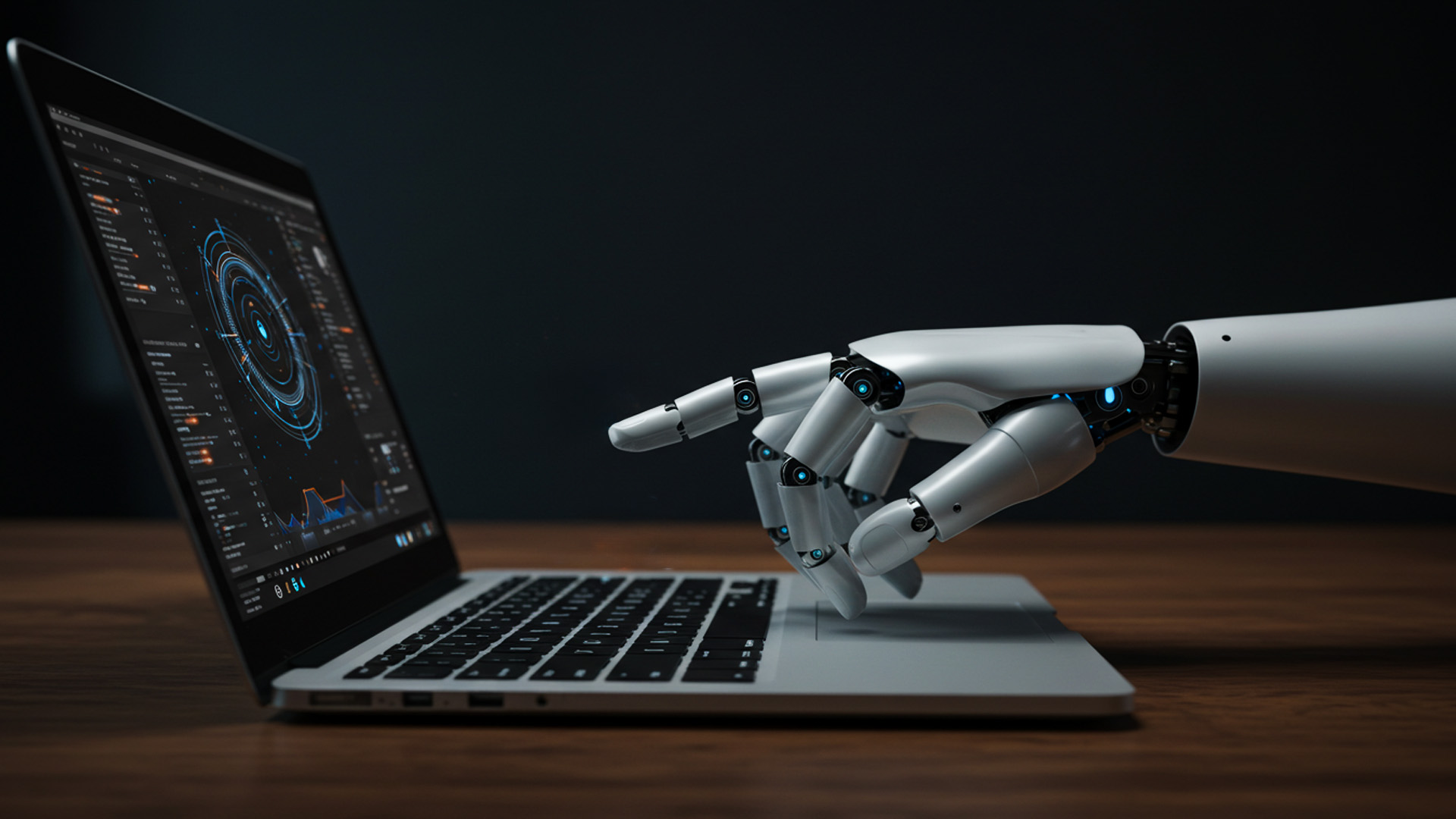
The convergence of VR and Artificial Intelligence (AI) is poised to revolutionize personalized learning even further. AI-driven virtual tutors can adapt to individual student needs in real-time, providing tailored guidance and feedback within VR environments. This symbiotic relationship between VR and AI enhances the efficacy of educational experiences, making them more responsive and intelligent.
AI can analyze vast amounts of data generated by VR interactions to identify learning patterns, predict outcomes, and optimize educational strategies. This data-driven approach ensures continuous improvement and innovation in VR-based education, aligning instructional methods with the evolving needs of learners.
Expansion into Lifelong Learning and Professional Development
Beyond traditional educational settings, VR is expanding into lifelong learning and professional development, offering opportunities for continuous skill enhancement and career advancement. Virtual training programs enable professionals to acquire new competencies, stay updated with industry trends, and engage in simulated practice scenarios that mirror real-world challenges.
This extension of VR into adult education supports a culture of continuous improvement and adaptability, essential in an ever-changing global economy. By providing accessible and flexible learning opportunities, VR fosters a resilient and skilled workforce capable of navigating the complexities of the modern world.
Cross-Disciplinary Applications and Collaborative Innovation
The versatility of VR allows for cross-disciplinary applications that foster collaborative innovation across various fields of study. Integrating VR into interdisciplinary projects encourages students to draw connections between different domains, promoting holistic understanding and creative problem-solving.
For instance, a VR project that combines elements of art, technology, and environmental science can inspire students to explore sustainable design solutions in a virtual ecosystem. These cross-disciplinary endeavors not only enrich the learning experience but also prepare students to tackle multifaceted challenges with a comprehensive and integrative approach.
Virtual Reality is undeniably transforming the educational landscape by offering immersive, interactive, and personalized learning experiences. As we navigate through 2025, the integration of VR into educational frameworks continues to break down traditional barriers, fostering a more engaging, equitable, and effective system of learning. By embracing these technological advancements and addressing the associated challenges, educators and institutions can harness the full potential of VR to shape the future of education, empowering learners to thrive in an increasingly complex and interconnected world.