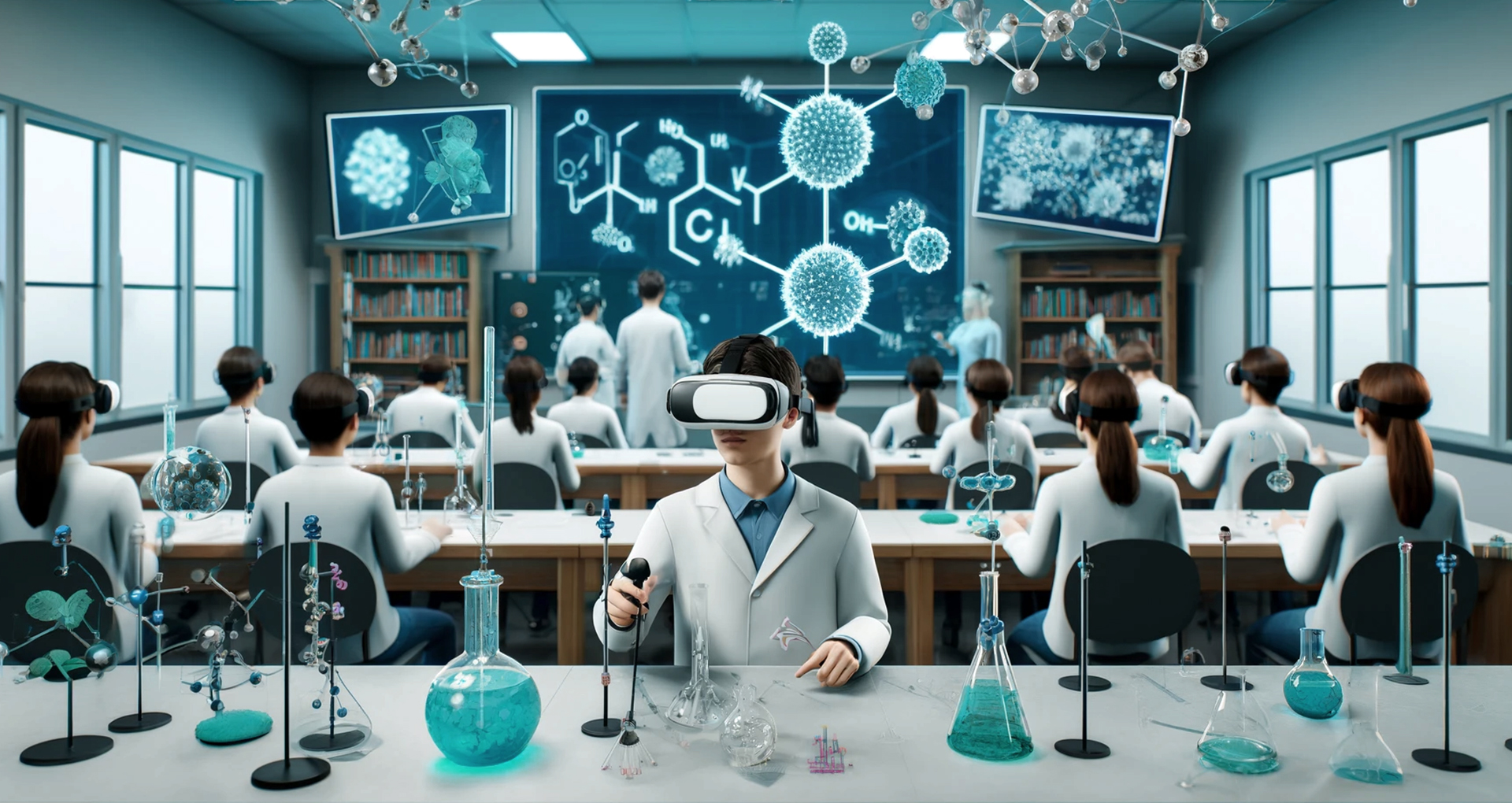
In the evolving landscape of educational technology, virtual reality (VR) has emerged as a powerful tool for transforming learning experiences. By immersing students in three-dimensional environments, VR can make learning more engaging, interactive, and effective. However, the widespread adoption of VR in education has been hampered by the fragmentation of VR platforms, with different devices requiring specific software and hardware configurations. This is where OpenXR, an open, royalty-free standard developed by the Khronos Group, plays a crucial role. OpenXR aims to streamline VR applications across various devices, making VR more accessible and beneficial for students, educators, and educational institutions.
Bridging the Gap in Educational VR
OpenXR provides a unified interface for VR hardware and software, allowing developers to create applications that can run across multiple VR systems without modification. This cross-platform capability is particularly beneficial in educational settings, where budget constraints can make it difficult to standardize on a single type of VR hardware. OpenXR enables schools to choose from a wider range of VR technologies without worrying about compatibility issues.
Enhancing Learning Experiences
- Interactive Learning: OpenXR supports a broad array of VR capabilities, including advanced input systems, spatial tracking, and haptic feedback, which can be leveraged to create more interactive and immersive learning experiences. For example, students can manipulate 3D models of historical artifacts, explore complex geometrical shapes, or conduct virtual scientific experiments, all within a controlled and realistic VR setting.
- Accessibility and Inclusion: With OpenXR, developers can create more accessible educational content that can adapt to different VR devices, including those designed for users with disabilities. This inclusivity ensures that all students, regardless of their physical abilities, can benefit from VR-based education.
- Engagement and Motivation: VR has been shown to increase student engagement and motivation. By standardizing VR development through OpenXR, educational content creators can focus on enhancing the quality and educational value of their applications instead of tackling device compatibility issues, leading to richer and more engaging content.
Cost-Effectiveness for Schools
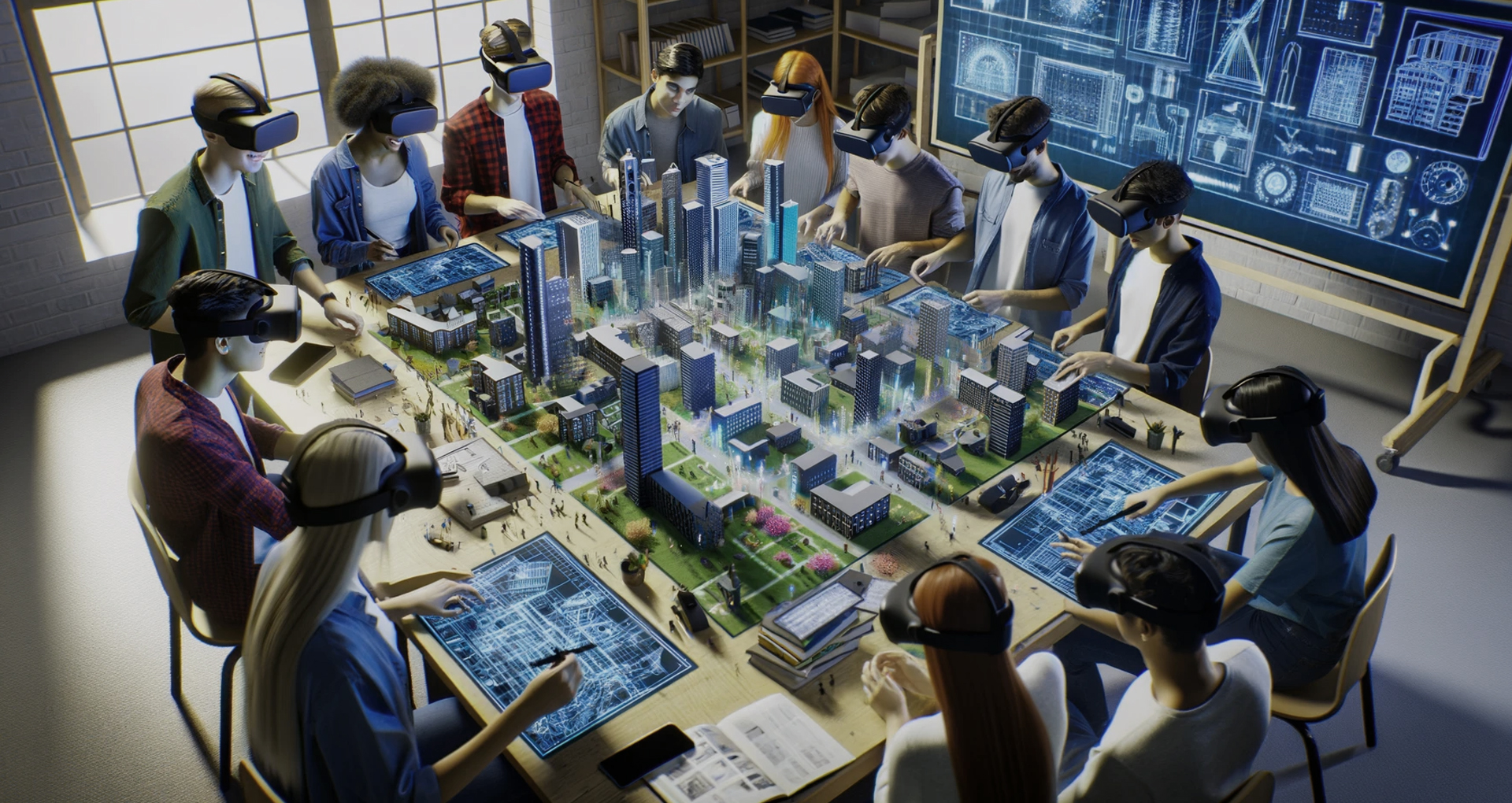
The adoption of OpenXR can lead to significant cost savings for educational institutions. Schools can invest in the VR hardware that best suits their budget and needs without being locked into a specific platform. This flexibility allows for more sustainable long-term investments in VR technology, as OpenXR’s forward compatibility means that future advancements in VR hardware will still support existing educational applications.
Preparing Students for the Future
OpenXR not only facilitates the current implementation of VR in education but also prepares students for future technological environments. As students interact with OpenXR-based applications, they develop a familiarity with VR technologies that are likely to be prevalent in many professional fields, including engineering, architecture, healthcare, and more. This exposure equips them with the skills and comfort needed to thrive in a high-tech world.
Supporting Educator’s Needs
For educators, OpenXR simplifies the integration of VR into the curriculum. Teachers can use a variety of VR applications that conform to the OpenXR standard, ensuring that they can access and utilize the best tools available regardless of the underlying hardware. This interoperability can be particularly useful in diverse educational settings where technology disparities can affect teaching effectiveness.
Collaborative and Remote Learning
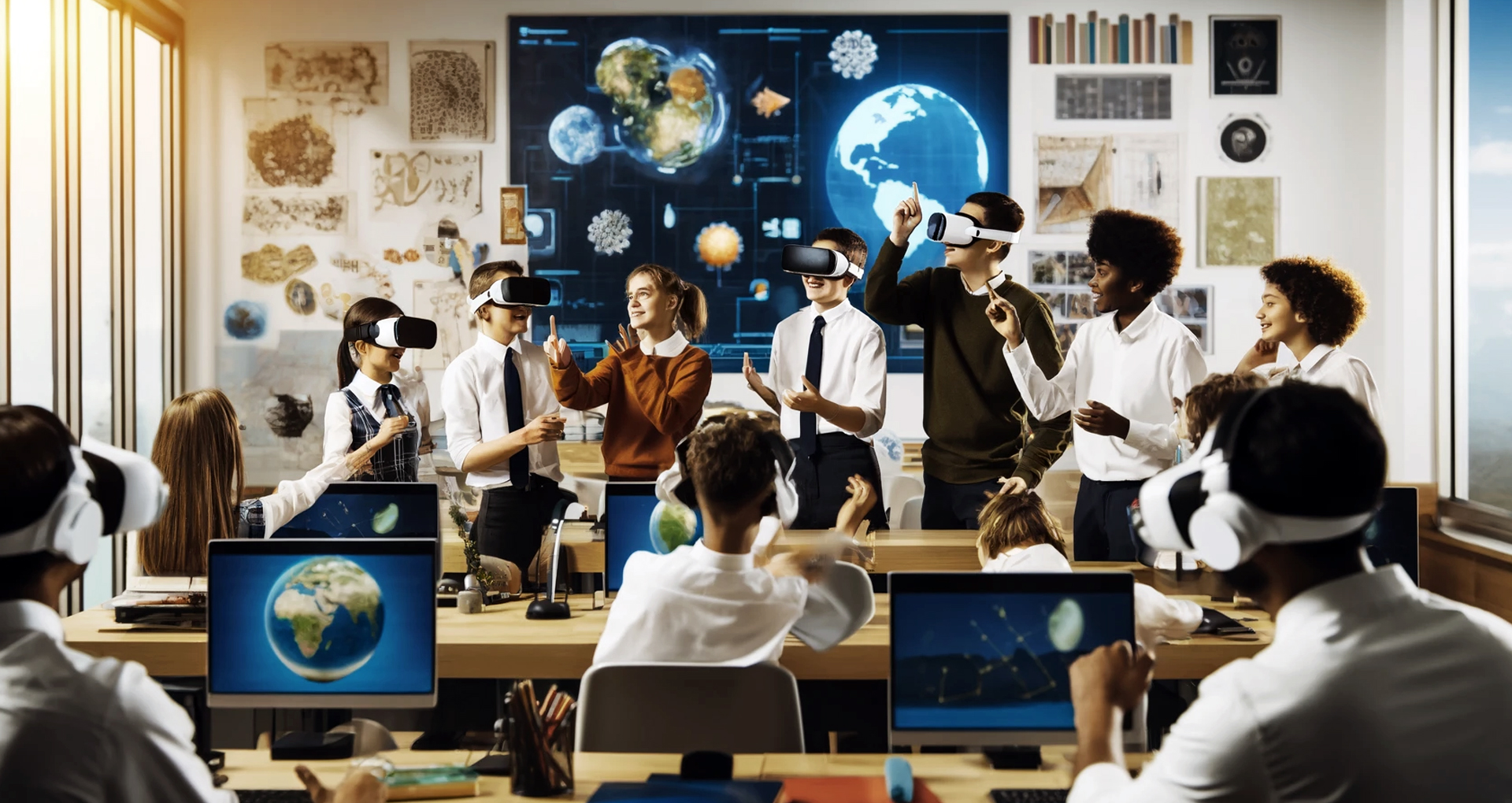
OpenXR can enhance collaborative and remote learning experiences by enabling interactions in shared virtual spaces. Students can work together on projects or experiments in a VR environment, even if they are physically miles apart. This capability is invaluable for fostering collaboration and teamwork skills among students in different locations or for those who are homebound.
Research and Development in Education
Educational researchers can benefit from OpenXR’s standardized approach to VR by developing and testing new teaching methodologies and tools across different hardware platforms without additional customization. This can accelerate the pace of research and innovation in educational technology, leading to more effective teaching tools and strategies.
As VR continues to make inroads into educational settings, OpenXR stands out as a pivotal development for its potential to democratize access to this transformative technology. By providing a standardized platform that bridges the gap between various VR devices and software, OpenXR is set to enhance the educational landscape significantly. Schools adopting OpenXR will not only provide their students with a cutting-edge learning tool but will also position themselves at the forefront of educational innovation, ready to embrace future advancements in VR technology. With its promise of compatibility, reduced costs, and enhanced learning experiences, OpenXR is indeed shaping the future of virtual reality in education.