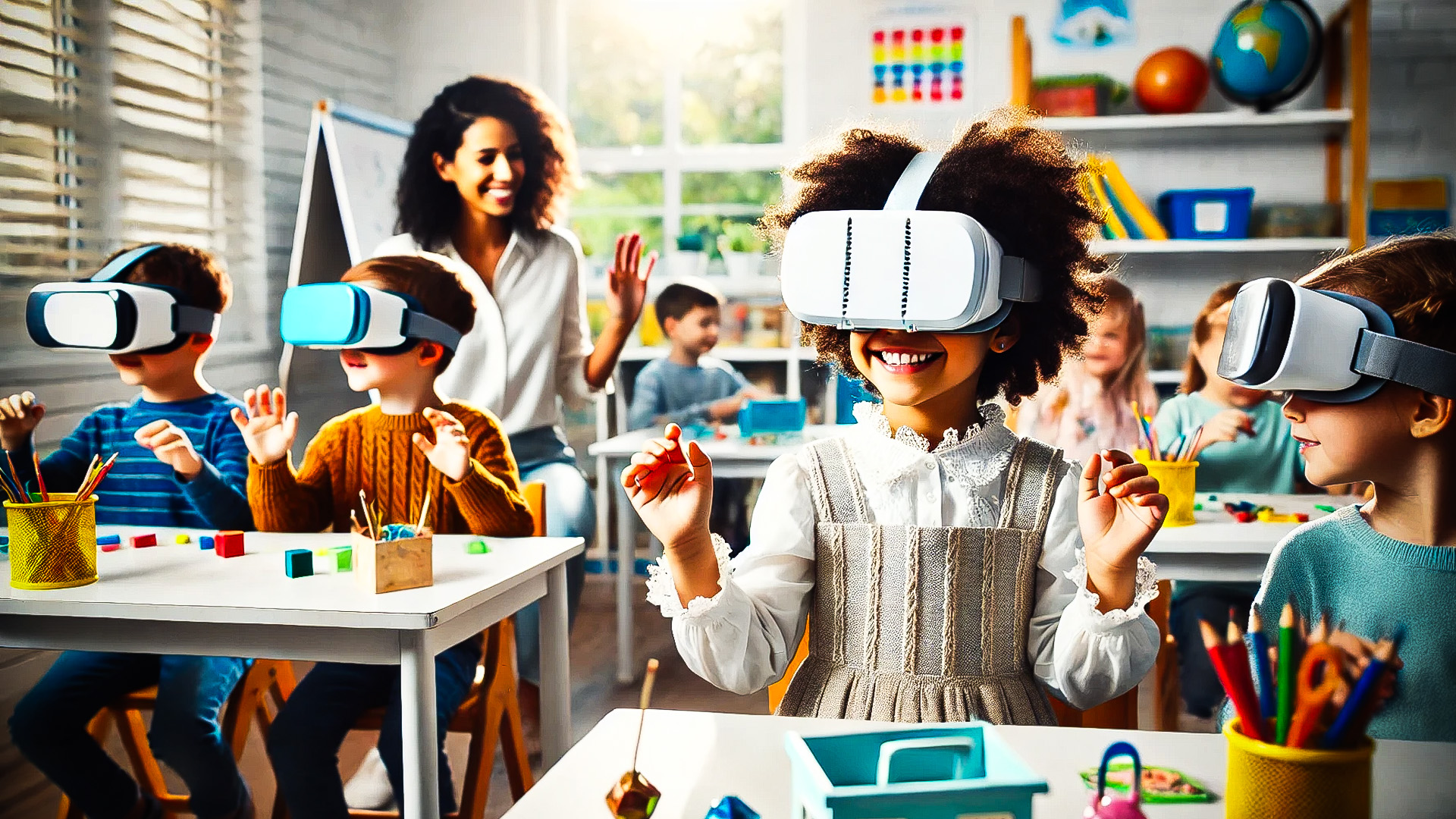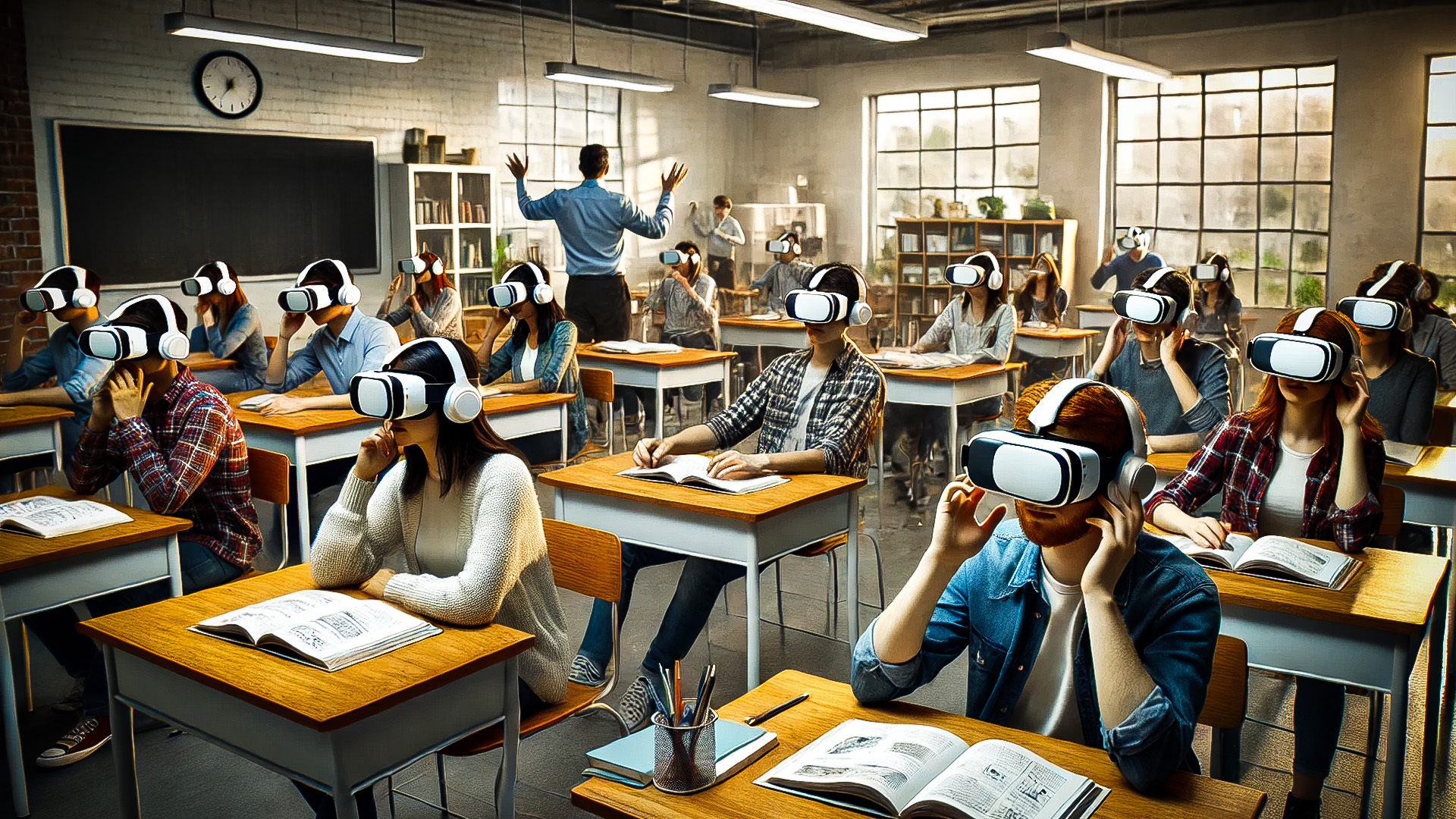

Virtual Reality (VR) has swiftly moved from the realm of science fiction to a powerful tool in modern education. As technology advances, its application in the classroom has become more accessible and impactful, providing students with experiences that were once unimaginable. VR is not just an addition to the educational toolkit; it is a transformative force that is reshaping how students learn, engage, and find motivation in their studies. This article delves into the profound impact VR is having on student engagement and motivation, highlighting its potential to revolutionize education.
The Evolution of Learning Technologies
From Chalkboards to Digital Classrooms: A Brief History
Education has undergone a remarkable transformation over the centuries, evolving from rudimentary tools like chalkboards and textbooks to the dynamic, digital classrooms we see today. The advent of the internet marked a significant turning point, allowing for the widespread dissemination of information and the development of online learning platforms. These advancements set the stage for the introduction of more immersive technologies, with VR emerging as a powerful tool that offers an entirely new way to experience and interact with educational content.
The Emergence of VR as a Learning Tool
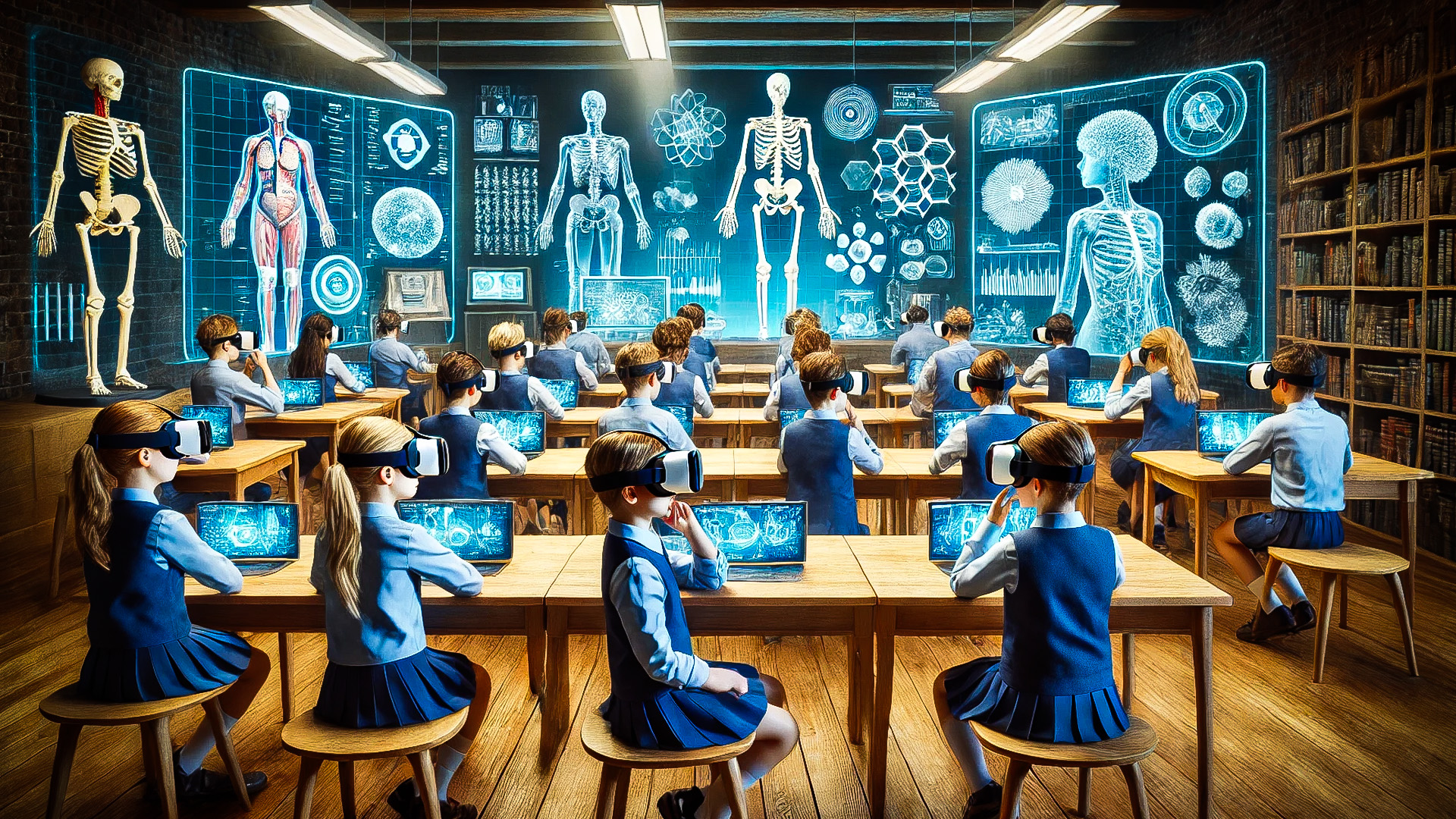
VR’s potential in education was recognized early, but it is only in recent years that the technology has matured enough to be used effectively in classrooms. Initially adopted in higher education and specialized training environments, VR has now trickled down to primary and secondary education, offering students immersive experiences that enhance understanding and retention. With VR, students can explore ancient civilizations, dissect virtual organisms, or even travel to outer space—all within the confines of their classroom. This leap from traditional to immersive learning marks a significant shift in educational methodologies.
Why VR Is Gaining Popularity in Educational Settings
The rise in VR’s popularity within educational settings can be attributed to its ability to engage students in ways that traditional methods cannot. As attention spans shorten and the digital landscape becomes more integrated into daily life, educators are seeking innovative solutions to capture and maintain student interest. VR offers a solution by creating an environment where learning is not just informative but also interactive and experiential. The ability to immerse students in a controlled, yet dynamic, virtual environment fosters a deeper connection to the material, making learning both enjoyable and effective.
Understanding Student Engagement and Motivation
What Drives Student Engagement?
Student engagement is a multifaceted concept, influenced by a combination of psychological, social, and environmental factors. At its core, engagement is about the level of interest, curiosity, and enthusiasm that students bring to their learning. Factors such as relevance of content, teaching methods, and the learning environment all play crucial roles in determining how engaged a student will be. Traditional methods, while effective to some extent, often fail to address the diverse needs of students, leading to varying levels of engagement across different subjects and activities.
The Role of Motivation in Academic Success
Motivation is closely linked to engagement, serving as the driving force behind a student’s willingness to learn. It encompasses both intrinsic motivation, which comes from an internal desire to learn and grow, and extrinsic motivation, which is driven by external rewards such as grades or recognition. In educational settings, fostering motivation is essential for academic success, as motivated students are more likely to invest effort, persist through challenges, and achieve their academic goals. However, traditional classroom environments often struggle to inspire and sustain motivation, particularly among students who find it difficult to connect with the material.
Challenges in Traditional Learning Environments
Traditional learning environments, characterized by lectures, textbooks, and standardized assessments, often fail to fully engage and motivate students. These methods can be particularly challenging for students who have diverse learning styles or who struggle to see the relevance of the material to their lives. Additionally, the passive nature of traditional education, where students are often recipients of information rather than active participants, can lead to disengagement and a lack of motivation. These challenges highlight the need for innovative approaches that can cater to the diverse needs of students and make learning a more engaging and motivating experience.
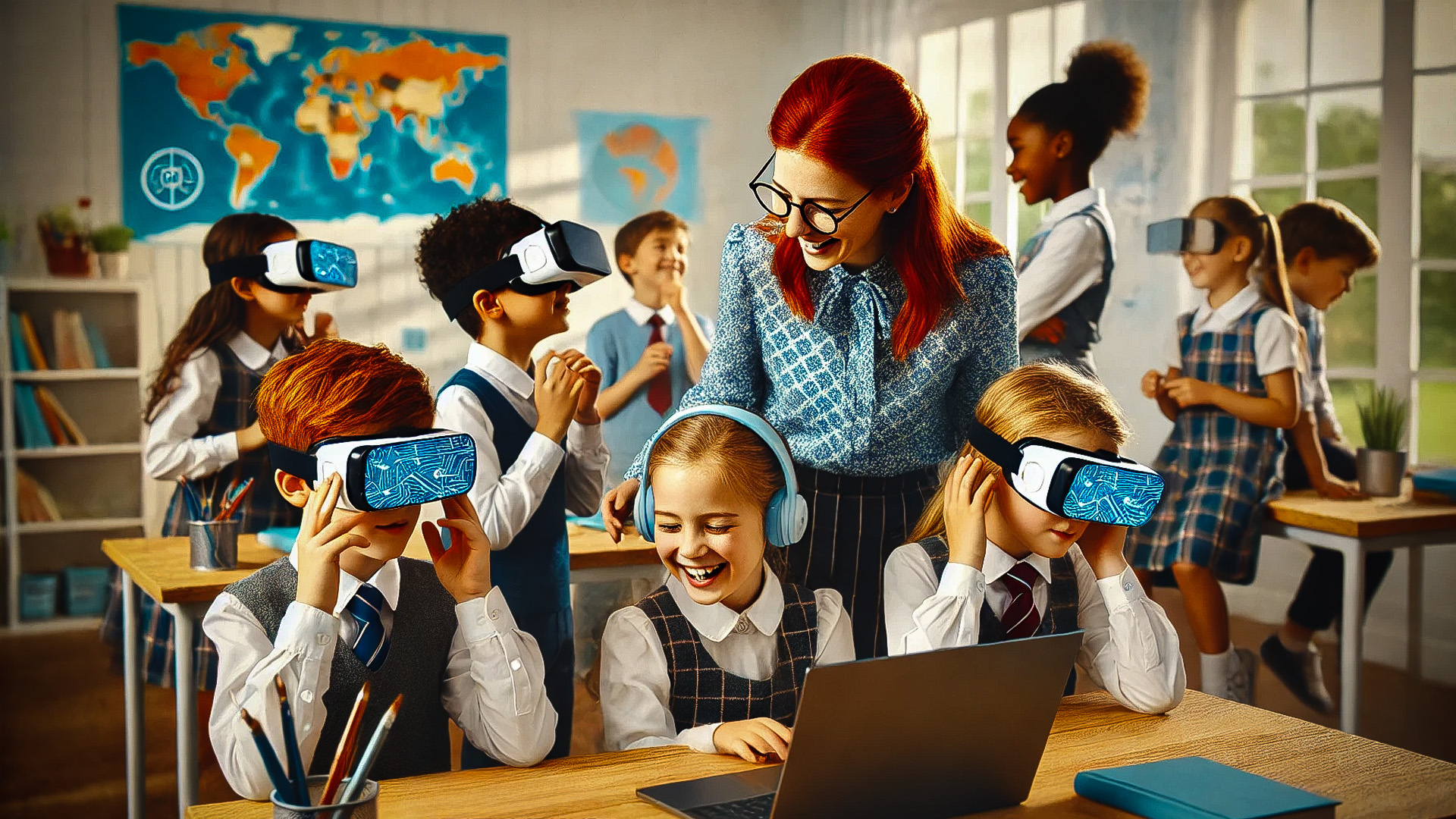
How VR Enhances Student Engagement
Immersive Learning: Making Abstract Concepts Tangible
One of the most significant advantages of VR in education is its ability to make abstract concepts tangible. In subjects like science, mathematics, and history, where students often struggle to visualize complex ideas, VR provides a three-dimensional, interactive experience that can make these concepts easier to understand. For example, instead of reading about the solar system in a textbook, students can don a VR headset and explore the planets in a simulated space environment. This level of immersion allows students to engage with the material on a deeper level, fostering a more profound understanding and retention of the information.
Active Participation: Turning Passive Learning into Interactive Experiences
Traditional classrooms often place students in a passive role, where they are expected to absorb information without much interaction. VR flips this dynamic by encouraging active participation. In a VR classroom, students are not just observers; they are active participants in their learning journey. Whether it’s conducting virtual science experiments, solving puzzles in a historical setting, or engaging in collaborative problem-solving exercises, VR provides opportunities for students to take control of their learning experience. This active participation not only enhances engagement but also helps develop critical thinking and problem-solving skills.
Personalization and Autonomy: Tailoring the Learning Journey
Another key benefit of VR in education is its ability to offer personalized learning experiences. Every student learns at a different pace and has unique strengths and weaknesses. VR allows educators to tailor learning experiences to meet the individual needs of each student. For instance, students who struggle with a particular concept can revisit it in a VR environment, exploring it from different angles until they achieve mastery. Moreover, VR provides students with a sense of autonomy, allowing them to navigate their learning journey independently. This personalization and autonomy contribute significantly to increased engagement and motivation, as students feel more in control of their educational outcomes.
VR and Its Impact on Motivation
The Psychology Behind VR-Induced Motivation
VR’s impact on motivation can be understood through the lens of psychology. When students are immersed in a VR environment, they experience a heightened sense of presence, where the virtual world feels as real as the physical one. This sense of presence can trigger intrinsic motivation, as students become more emotionally and cognitively invested in the learning experience. Additionally, the novelty and excitement of VR can stimulate dopamine release, creating positive reinforcement that encourages students to continue engaging with the material. This psychological response to VR makes it an effective tool for boosting motivation in educational settings.
Gamification in VR: Making Learning Fun and Rewarding
Gamification, the application of game-design elements in non-game contexts, is a powerful strategy for increasing motivation, and VR is an ideal platform for implementing it. In a VR environment, learning can be transformed into a game-like experience, where students earn points, badges, or other rewards for completing tasks and mastering concepts. This gamified approach not only makes learning fun but also provides immediate feedback and a sense of accomplishment, which are key drivers of motivation. By incorporating elements of competition, challenge, and reward, VR can turn even the most mundane subjects into engaging and motivating experiences.
Breaking Down Barriers: How VR Encourages Reluctant Learners
One of the most significant challenges in education is reaching students who are disengaged or reluctant to participate. These students often struggle in traditional learning environments, where they may feel overwhelmed, bored, or disconnected from the material. VR offers a solution by creating an environment where learning is more accessible and less intimidating. The immersive nature of VR can capture the attention of reluctant learners, drawing them into the experience and encouraging them to engage with the content. Additionally, VR allows students to learn at their own pace, without the fear of judgment or failure, which can be particularly motivating for those who have struggled in traditional classrooms.
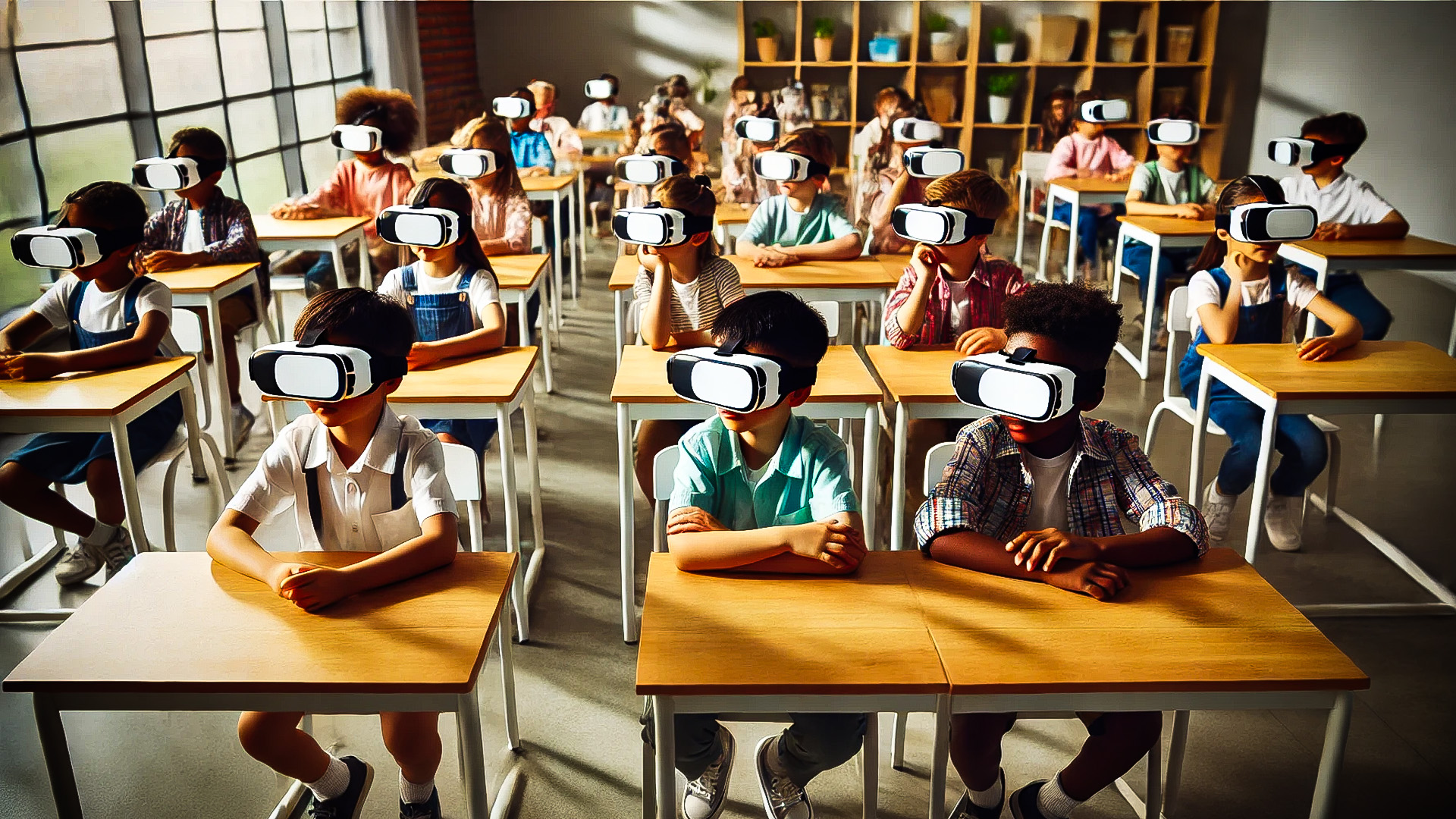
Case Studies and Real-World Examples
Success Stories: Schools and Universities Implementing VR
Numerous schools and universities around the world have successfully integrated VR into their curricula, with impressive results. For example, a high school in California implemented a VR biology program that allowed students to explore the human body in 3D, leading to a significant improvement in test scores and student engagement. Similarly, a university in the UK used VR to create immersive history lessons, where students could virtually visit ancient civilizations and historical events. These success stories demonstrate the potential of VR to transform education by making learning more engaging, interactive, and effective.
Quantitative Results: Measurable Increases in Student Engagement
The impact of VR on student engagement is not just anecdotal; it is supported by quantitative data. Studies have shown that students who use VR in their learning experience higher levels of engagement and motivation compared to those who rely on traditional methods. For instance, research conducted in a middle school found that students who participated in a VR-based science program showed a 30% increase in engagement and a 20% improvement in test scores. These measurable results highlight the effectiveness of VR in enhancing student participation and enthusiasm for learning.
Testimonials from Educators and Students
Educators and students alike have praised the use of VR in the classroom. Teachers report that VR helps bring lessons to life, making abstract concepts more concrete and easier to understand. Students, on the other hand, express excitement about learning in a VR environment, noting that it makes studying more enjoyable and less stressful. One student commented, “With VR, I feel like I’m actually part of the lesson, not just sitting in a classroom.” These testimonials underscore the positive impact of VR on the educational experience, from both the teaching and learning perspectives.
Challenges and Considerations in Implementing VR
Cost and Accessibility: Is VR Feasible for All Schools?
While the benefits of VR in education are clear, there are challenges to its widespread implementation, particularly in terms of cost and accessibility. VR equipment, including headsets and software, can be expensive, making it difficult for underfunded schools to afford. Additionally, there are concerns about the digital divide, where students in lower-income areas may not have access to the same VR resources as their peers in more affluent communities. To address these challenges, some schools are
exploring partnerships with tech companies or seeking grants to fund their VR initiatives. However, ensuring that all students have access to this transformative technology remains a significant hurdle.
Teacher Training and Curriculum Integration
Another challenge in implementing VR in education is the need for teacher training and curriculum integration. Educators must be trained not only on how to use VR technology but also on how to integrate it effectively into their teaching practices. This requires a shift in pedagogy, where teachers move from being the primary source of information to facilitators of immersive learning experiences. Additionally, curricula need to be adapted to incorporate VR in a way that enhances learning outcomes rather than simply adding a technological layer. This process can be time-consuming and requires ongoing support and professional development for educators.
Potential Downsides: Addressing Screen Time and Distraction
While VR offers many benefits, there are also potential downsides that need to be addressed. One concern is the increase in screen time, which has been linked to a range of health issues, including eye strain, headaches, and sleep disturbances. Additionally, the immersive nature of VR can sometimes lead to distraction, where students become more focused on the virtual environment than the learning objectives. To mitigate these risks, it is important to use VR in moderation and ensure that it is integrated into the curriculum in a way that supports, rather than detracts from, the overall learning experience.
The Future of VR in Education
Upcoming Innovations: What’s Next for VR in Classrooms?
The future of VR in education is bright, with ongoing innovations set to further enhance its impact in the classroom. One of the most exciting developments is the use of artificial intelligence (AI) to create more adaptive and personalized VR experiences. AI can analyze student performance in real-time and adjust the learning experience accordingly, providing additional support or challenges as needed. Additionally, advancements in haptic technology, which allows users to feel physical sensations in a virtual environment, could make VR even more immersive and interactive. As these technologies continue to evolve, the potential for VR in education will only increase.
Expanding VR’s Reach: Global Trends in Educational VR
Globally, the adoption of VR in education is on the rise, with schools and universities across the world exploring its potential. In countries like China and South Korea, VR is being used to teach a wide range of subjects, from language learning to vocational training. In the United States and Europe, educational institutions are increasingly incorporating VR into STEM (Science, Technology, Engineering, and Mathematics) curricula, recognizing its potential to engage students in these critical fields. As VR becomes more accessible and affordable, its use in education is expected to expand, reaching students in even the most remote and underserved areas.
The Long-Term Impact: How VR Could Transform Education
In the long term, VR has the potential to transform education in profound ways. By making learning more interactive, personalized, and engaging, VR could help close achievement gaps and improve educational outcomes for all students. Moreover, as VR technology continues to advance, it could enable new forms of learning that are not possible in traditional classrooms, such as virtual field trips, collaborative simulations, and experiential learning opportunities. Ultimately, VR could lead to a more equitable and effective education system, where every student has the opportunity to succeed.
The Lasting Effects of VR on Student Engagement and Motivation
The impact of VR on student engagement and motivation is both immediate and lasting. By making learning more immersive and interactive, VR has the potential to transform how students engage with educational content. This increased engagement leads to higher levels of motivation, which in turn supports better learning outcomes. As more schools and universities adopt VR, its positive effects on student engagement and motivation will likely become even more pronounced.
Final Thoughts on the Role of VR in Shaping Future Learning
VR is not just a passing trend in education; it is a powerful tool that has the potential to shape the future of learning. By offering new ways to engage students and motivate them to learn, VR is helping to create a more dynamic and effective education system. However, to realize its full potential, it is important for educators, policymakers, and tech companies to work together to address the challenges and ensure that all students have access to this transformative technology.
Encouraging Educational Institutions to Embrace VR Technology
As the benefits of VR in education become increasingly clear, it is crucial for educational institutions to embrace this technology and explore its potential. By integrating VR into their curricula, schools and universities can create more engaging and motivating learning experiences that better meet the needs of today’s students. As we look to the future, VR has the potential to not only enhance education but also to revolutionize it, making learning more accessible, interactive, and effective for all.