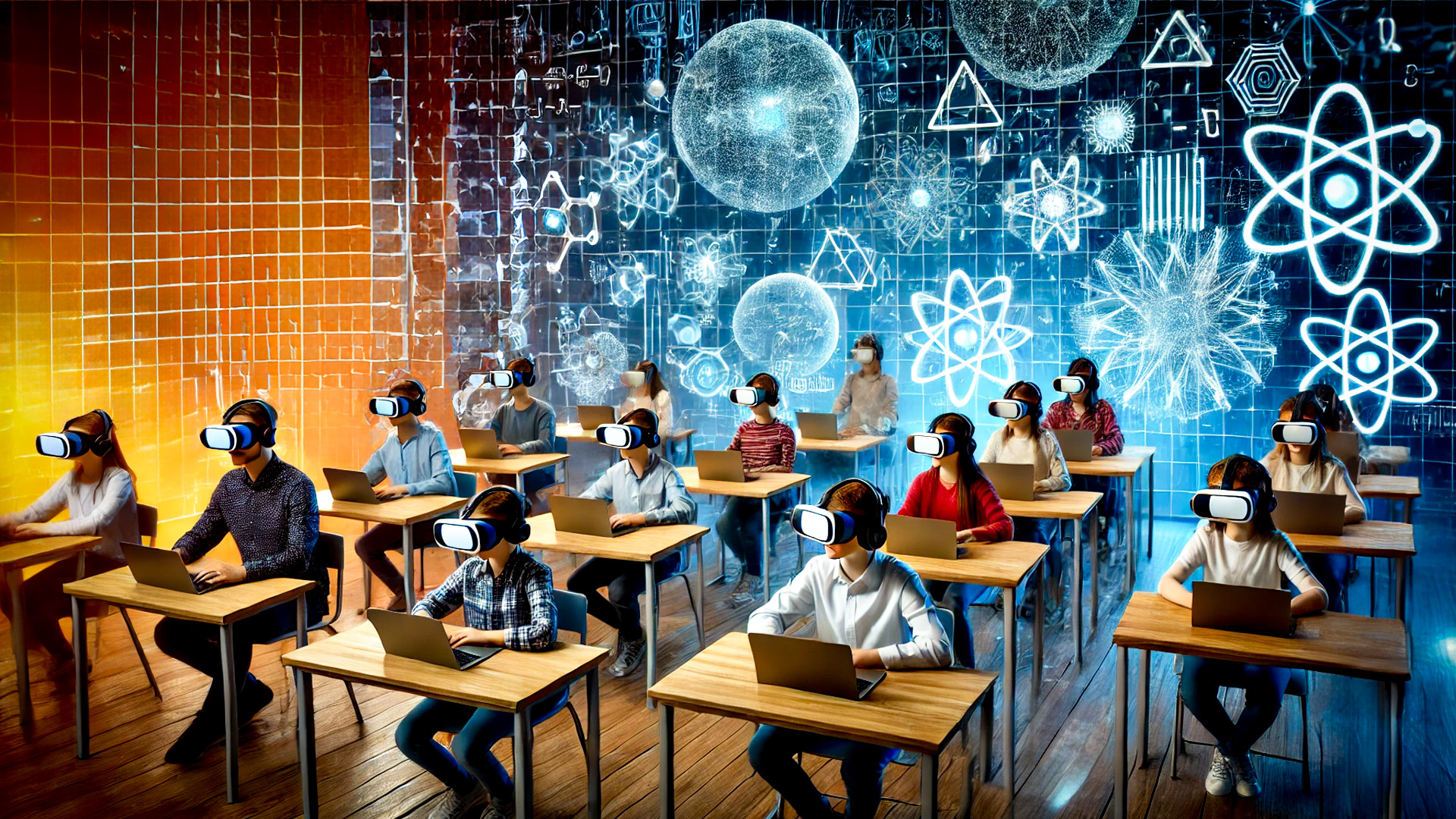
The landscape of education is changing, and virtual reality (VR) is at the forefront of this transformation. As traditional learning methods evolve, the need for inclusive education has never been more pressing. Virtual reality offers an immersive and interactive environment that can be tailored to meet the diverse needs of learners, transcending the limitations of physical classrooms. By integrating VR into education, educators can create a dynamic, inclusive environment where every student—regardless of background or learning ability—can thrive.
Redefining Traditional Learning: The Need for Inclusivity
Traditional education systems have long been rooted in a one-size-fits-all approach, often leaving many students struggling to find their place within the rigid frameworks of standard curricula. This lack of accommodation for diverse learning needs can alienate those who don’t fit neatly into predefined categories. As our society becomes increasingly diverse, the student populations in our schools reflect this change, presenting a rich tapestry of backgrounds, abilities, and learning styles. Consequently, there is a pressing need for educational models that prioritize inclusivity, recognizing and celebrating individual differences rather than stifling them. Inclusivity transcends being merely a buzzword; it is a fundamental necessity for fostering a supportive and effective learning environment.
Innovative technologies such as virtual reality (VR) emerge as powerful tools to redefine these antiquated paradigms. VR offers a unique opportunity to engage students in ways that traditional methods cannot, allowing for personalized learning experiences that cater to varied needs. By immersing students in tailored educational environments, VR can facilitate a deeper understanding of content, enabling them to learn in their own unique ways. This adaptability can help bridge gaps in understanding and provide equitable access to knowledge for all learners, regardless of their backgrounds or abilities.
How Virtual Reality is Transforming Classrooms
The integration of virtual reality in education is nothing short of revolutionary, fundamentally changing the way lessons are delivered and experienced. VR technology allows abstract concepts to transform into tangible experiences that resonate with students on a personal level. Imagine students exploring the majestic ruins of ancient civilizations, walking through historic landmarks as if they were really there, or delving into the complexities of the human body by navigating its intricate systems from the inside.
Such immersive experiences can stimulate curiosity and foster a deeper appreciation for subjects that might otherwise seem distant or unrelatable. Additionally, VR can simulate real-world problem-solving scenarios, encouraging students to think critically and collaborate effectively. This interactive approach not only enhances engagement but also cultivates essential skills such as teamwork, communication, and adaptability.
By breaking down the barriers that often make education feel inaccessible, virtual reality empowers students to take ownership of their learning journeys. As they interact with content in a more meaningful way, they are likely to develop a passion for learning that extends beyond the classroom. Ultimately, the transformative power of VR in education holds the promise of creating a more inclusive, engaging, and dynamic learning landscape for all students.
Understanding Inclusive Learning Environments
What Does an Inclusive Classroom Look Like?
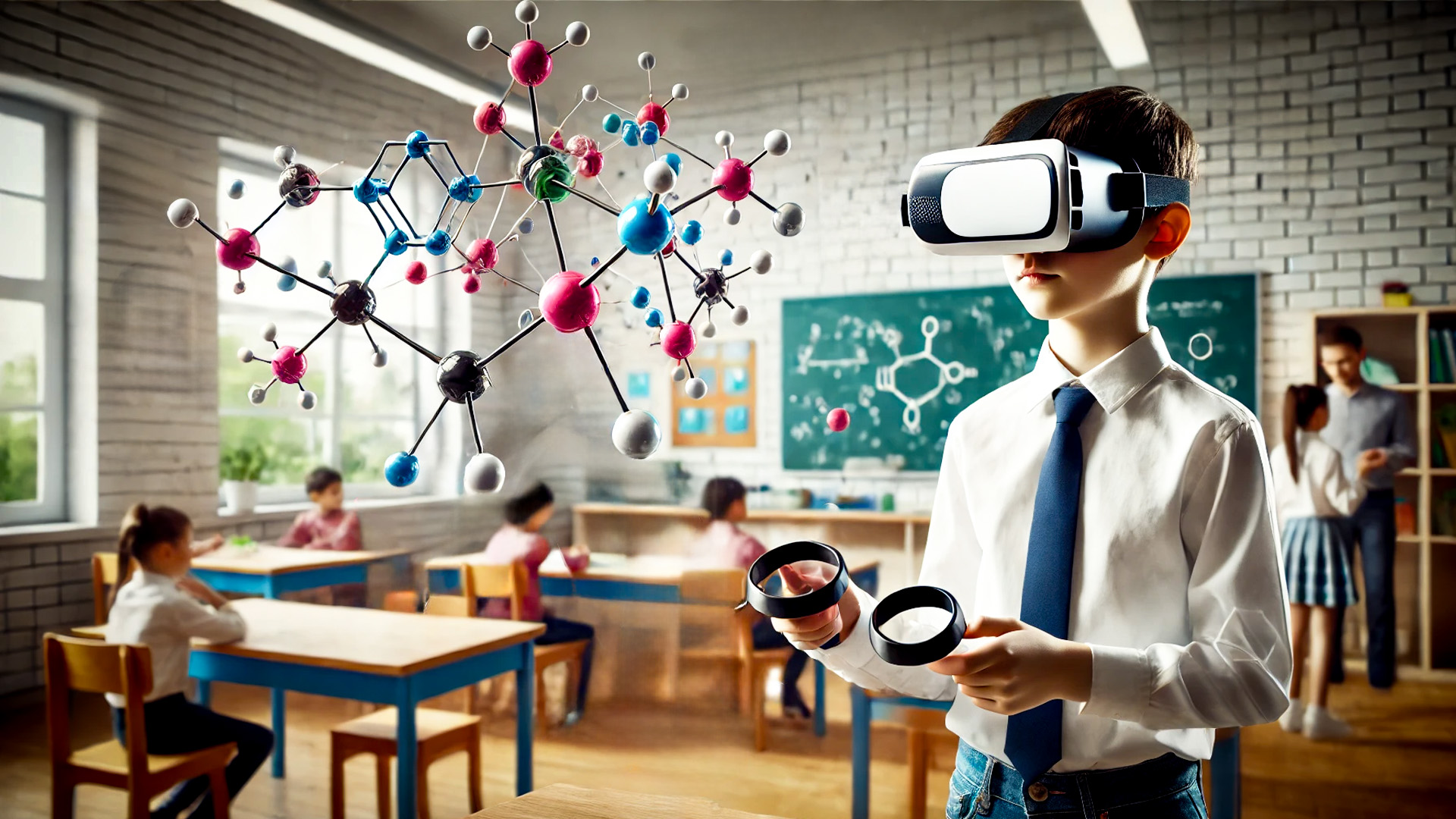
An inclusive classroom is a vibrant and dynamic space that embraces diversity in all its forms. It is a place where students are not just allowed but actively encouraged to express their identities and perspectives. This inclusive approach recognizes that learners come with varied backgrounds, experiences, and abilities, and therefore, teaching methods must cater to a wide range of learning styles. In these classrooms, you might find a rich array of instructional strategies, from collaborative group work to individualized learning plans, ensuring that all students have the opportunity to thrive.
Teachers in inclusive classrooms employ flexible learning techniques, utilizing various instructional tools and resources to meet diverse needs. This may include using assistive technologies, providing multi-sensory learning experiences, and fostering a culture of collaboration and empathy among students. The emphasis is not solely on academic growth; emotional and social development are also prioritized. By promoting positive interactions and mutual support, inclusive classrooms help build a strong community where students learn to appreciate one another’s differences and develop essential interpersonal skills.
Challenges in Catering to Diverse Learning Needs
Despite the best intentions and efforts of educators, meeting the diverse learning needs of students can be an uphill battle. Some learners may require additional attention, alternative instructional methods, or specialized materials tailored to their unique challenges. Traditional teaching methods often fall short in providing this level of customization, leaving some students feeling disconnected and unsupported.
This is where the transformative potential of virtual reality (VR) comes into play. By offering personalized and adaptive learning experiences, VR can help bridge the gap between diverse learning needs and educational opportunities. It allows educators to create immersive environments that adjust to individual preferences and capabilities, thereby removing many of the constraints faced in a typical classroom setting. For instance, VR can provide interactive simulations that cater to various learning styles, making complex concepts more accessible and engaging. As a result, students who may have previously struggled in traditional learning environments can thrive in ways that were previously unimaginable, paving the way for a truly inclusive educational experience.
How VR Breaks Down Barriers in Education
Bridging the Gap: VR as an Equalizer for Students
VR technology serves to level the playing field by offering immersive experiences that every student can access, irrespective of their unique learning needs. In a VR setting, all learners have the same opportunity to engage deeply with the content, enabling them to grasp complex ideas through interactive experiences. For example, a visually impaired student can explore a meticulously crafted 3D environment through the use of haptic feedback, allowing them to “feel” the space around them. This sensory engagement enhances their understanding and appreciation of the material, bridging gaps that might otherwise hinder learning.
Similarly, students with attention deficit hyperactivity disorder (ADHD) can benefit significantly from the controlled environment that VR provides. By minimizing distractions and immersing students in focused learning tasks, VR helps these students concentrate better, facilitating improved retention and comprehension of the material. By customizing experiences to suit individual learning styles and requirements, VR ensures that no student is left behind, promoting an equitable educational experience that is tailored to the needs of all learners.
Overcoming Physical and Cognitive Barriers with Virtual Learning
One of the most profound impacts of virtual reality in education is its ability to transcend physical and cognitive limitations. For students with mobility issues, VR allows them to explore virtual spaces that would be otherwise inaccessible in the physical world. Whether it’s taking a virtual field trip to a museum or exploring the depths of the ocean, these experiences provide opportunities for exploration and discovery that would not be possible otherwise.
Students with cognitive disabilities can engage with simplified and focused content designed to meet their specific learning needs. By providing tailored experiences, VR can enhance understanding and retention, making learning more accessible and enjoyable. For instance, complex scientific concepts can be visualized through interactive simulations that break down information into manageable parts. This approach not only fosters comprehension but also builds confidence, empowering students who might otherwise struggle in traditional educational environments.
VR and Accessibility: Expanding Learning Horizons
Enhancing Education for Students with Disabilities
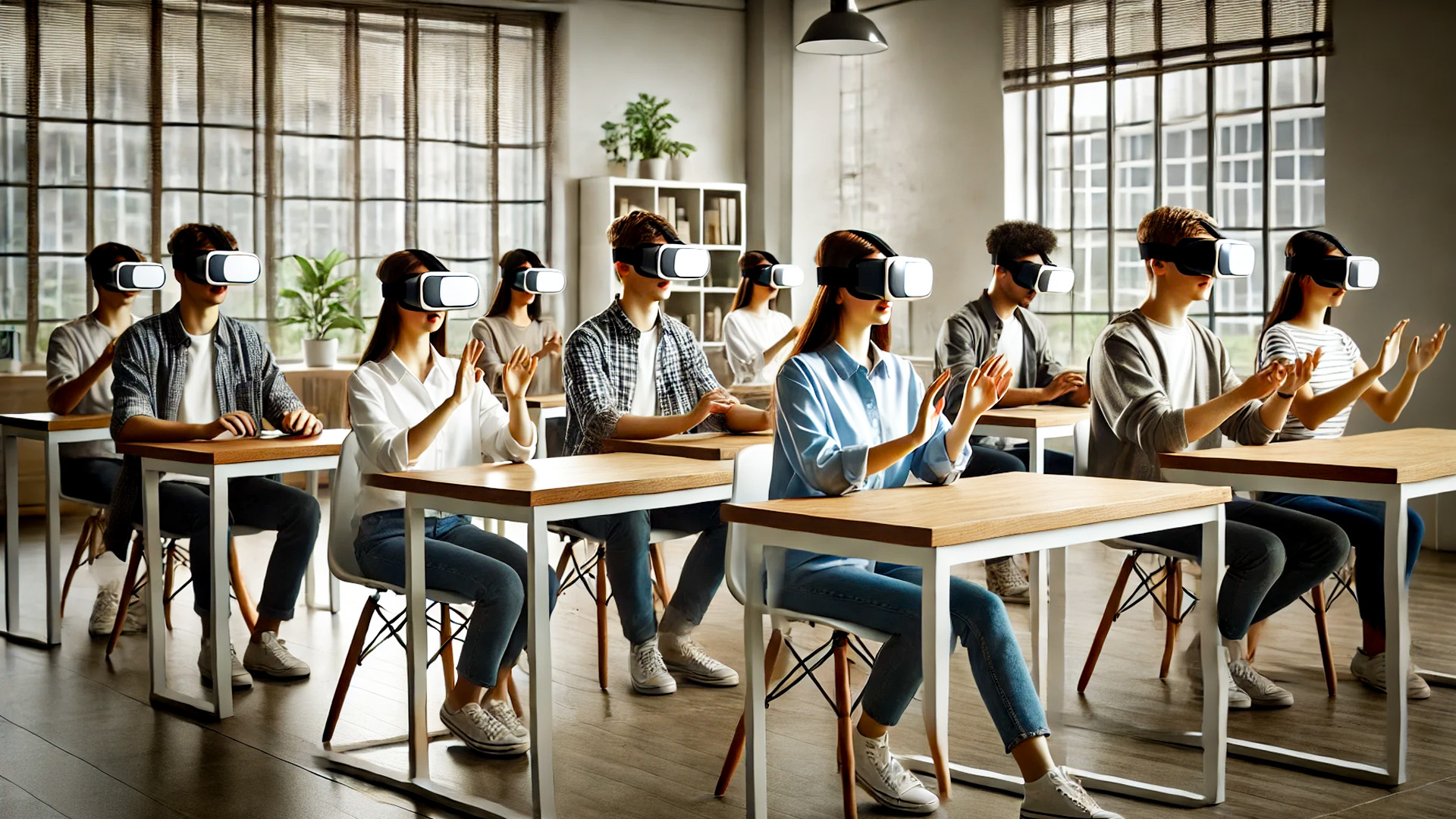
As educators increasingly strive to make learning accessible for all, virtual reality (VR) is emerging as a powerful tool that can significantly enhance the educational experience for students with disabilities. Traditional learning environments can often present various challenges for these students, leading to feelings of frustration and disengagement. However, VR opens up new avenues for adaptive educational experiences that cater specifically to individual needs.
Through the use of virtual field trips, immersive simulations, and interactive exercises, VR makes learning more engaging and accessible. For example, students with hearing impairments can benefit from visual cues and sign language avatars in VR environments, providing them with essential information that might be missed in conventional settings. Similarly, students with physical impairments can partake in virtual experiences, such as climbing mountains or exploring historical sites, that may be difficult or impossible to access in real life. This immersive technology empowers students to explore, interact, and learn in ways that align with their abilities, fostering a sense of independence and agency in their educational journeys.
Creating Adaptive VR Experiences for Varied Abilities
Recognizing that not all students learn at the same pace or in the same way is crucial for effective education. Adaptive VR experiences allow for differentiation in instruction, creating personalized learning paths that cater to the diverse needs of students. These experiences can be customized to match the learning speed, style, and preferences of each individual, ensuring that all students can engage meaningfully with the content.
For instance, students with learning disabilities such as dyslexia or autism can interact with educational material in ways that are best suited to their unique learning processes. VR can provide visual supports, simplified interfaces, or even gamified elements that make lessons more enjoyable and less intimidating. This tailored approach can significantly improve comprehension and retention, as students feel more in control of their learning environments.
The flexibility of VR technology enables educators to design learning paths that reflect the individuality of each student they serve. By integrating adaptive elements into the VR experience, teachers can facilitate scaffolded learning—gradually increasing complexity as students build confidence and competence. This personalized learning approach not only enhances academic achievement but also nurtures social skills and emotional development, creating a more holistic educational experience.
Cultural Inclusivity Through Virtual Reality
Bringing Global Perspectives to the Classroom
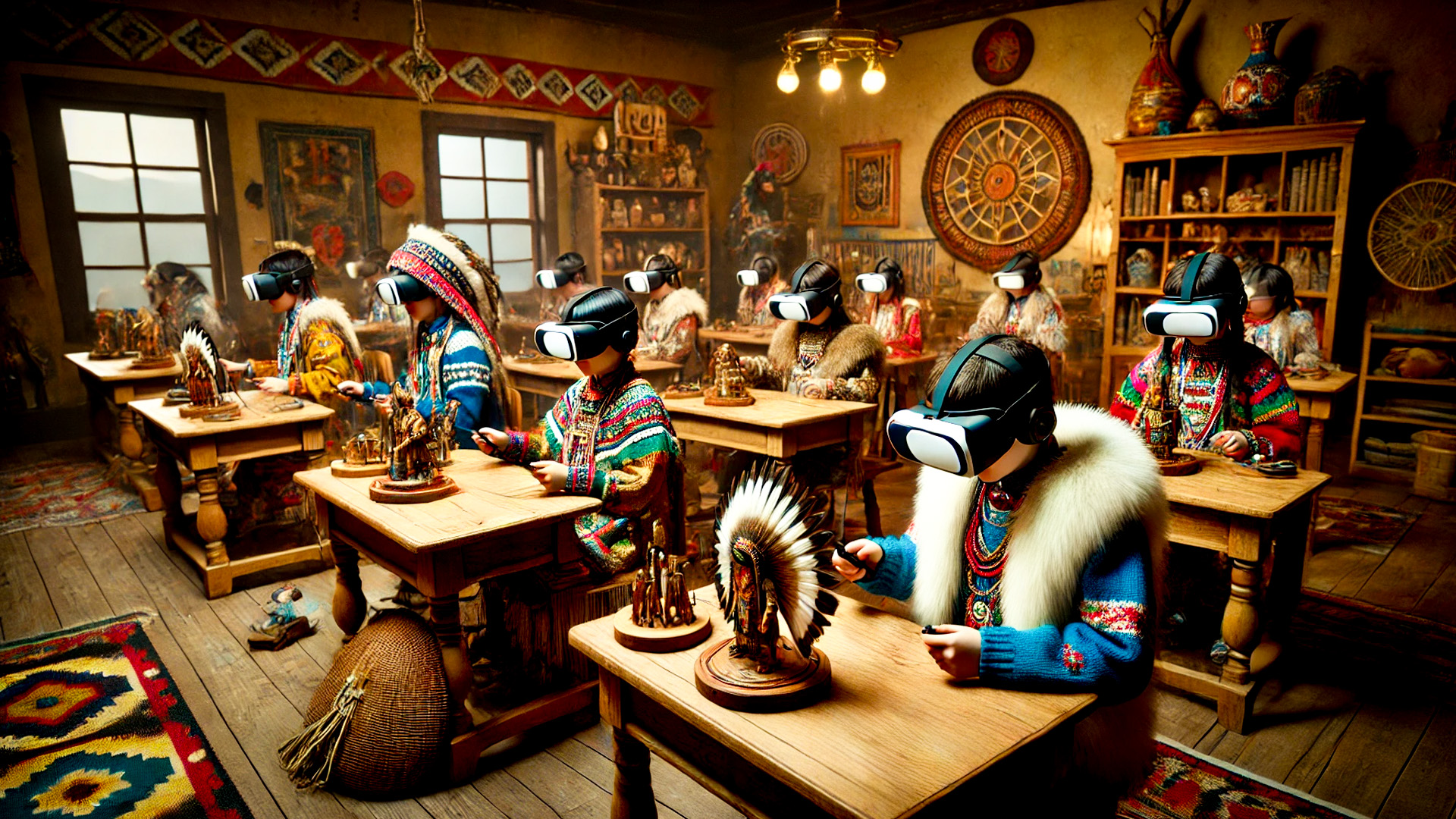
In today’s increasingly globalized world, it is essential for students to not only understand but also appreciate the rich tapestry of different cultures that exist around the globe. Virtual reality (VR) provides a unique and powerful way to facilitate this understanding by allowing students to immerse themselves in the lives, traditions, and histories of people from various backgrounds. Through VR, learners can virtually visit landmarks, communities, and historical sites they’ve only read about in textbooks or seen in pictures, providing them with a richer, more nuanced understanding of the world around them. This immersive experience enhances their educational journey by fostering curiosity and promoting engagement with global issues.
Such exposure plays a pivotal role in developing a more inclusive worldview, as it encourages students to break down cultural barriers and fosters mutual respect among peers. By experiencing the daily lives of others, students can relate to and appreciate the diversity of human experiences, which is vital in a world that is increasingly interconnected. This understanding not only enriches their knowledge but also encourages open-mindedness and acceptance, preparing them for future interactions in a diverse society.
Fostering Cultural Awareness and Empathy with VR
The ability to virtually “walk in someone else’s shoes” offers students a profound opportunity to gain a new perspective on the world. VR serves as an immersive platform for fostering empathy, enabling students to engage with experiences and environments that may be vastly different from their own. For instance, they can step into the lives of individuals living in a refugee camp, gaining insight into the challenges and resilience of those facing adversity. Alternatively, they can explore the daily routines of people from various cultural backgrounds, experiencing their customs, celebrations, and struggles firsthand.
These immersive experiences are essential for cultivating a deeper sense of compassion and understanding—key elements of a truly inclusive educational environment. When students can see the world through the eyes of others, they are more likely to appreciate the complexities of different cultures and the common humanity that binds us all. This empathetic engagement can lead to meaningful conversations about social justice, global citizenship, and the importance of inclusivity in our increasingly diverse societies.
The skills developed through these VR experiences extend beyond the classroom. As students learn to empathize with individuals from different cultures, they become better equipped to navigate the complexities of a multicultural world. They carry these lessons into their communities, promoting dialogue and understanding that can help bridge divides and create a more harmonious society.
Engaging Diverse Learning Styles with VR
Visual, Auditory, and Kinesthetic Learning in Virtual Spaces
Every student learns differently, and understanding these varied learning styles is crucial for effective teaching. While some learners thrive on visual aids, others may benefit more from auditory instructions or hands-on experiences. Virtual reality (VR) accommodates all these learning preferences, making it a versatile and powerful tool for educators.
VR’s multi-sensory experiences engage visual, auditory, and kinesthetic learners alike, creating an inclusive environment that enhances understanding and retention. In a VR setting, students can manipulate virtual objects, allowing kinesthetic learners to engage with concepts through hands-on interaction. They can also listen to real-time audio cues and participate in guided lessons, catering to auditory learners who benefit from spoken explanations and discussions. Additionally, visual learners can observe complex processes as they unfold in real-time, transforming abstract concepts into concrete experiences. By catering to multiple learning styles, VR ensures that each student can grasp concepts in the way that suits them best, ultimately leading to better engagement and improved retention of information.
Personalized Learning Experiences: How VR Meets Individual Needs
One of the most remarkable strengths of virtual reality is its ability to offer personalized learning experiences tailored to each student’s unique needs. As students interact within the virtual environment, VR systems can analyze their behaviors, preferences, and performance. This data allows the technology to adapt content dynamically, ensuring that the material aligns with each learner’s pace and style.
The adaptability of VR makes it an ideal tool for differentiated instruction, where educators can provide customized pathways for each learner. Teachers can design lessons that recognize the diverse needs of their students, ensuring that no one is left behind. Moreover, this personalized approach can help build confidence in students, as they are able to progress at their own pace and receive support tailored to their specific challenges.
As educational institutions increasingly adopt VR technology, the potential for personalized learning experiences expands exponentially. By harnessing the power of VR, educators can create dynamic learning environments that accommodate all students, making education more inclusive and effective. In doing so, they not only enhance academic outcomes but also prepare students to thrive in a rapidly changing world, equipped with the skills and knowledge they need to succeed.
Real-World Applications of VR in Inclusive Education
Successful Integration of VR in Diverse Classrooms
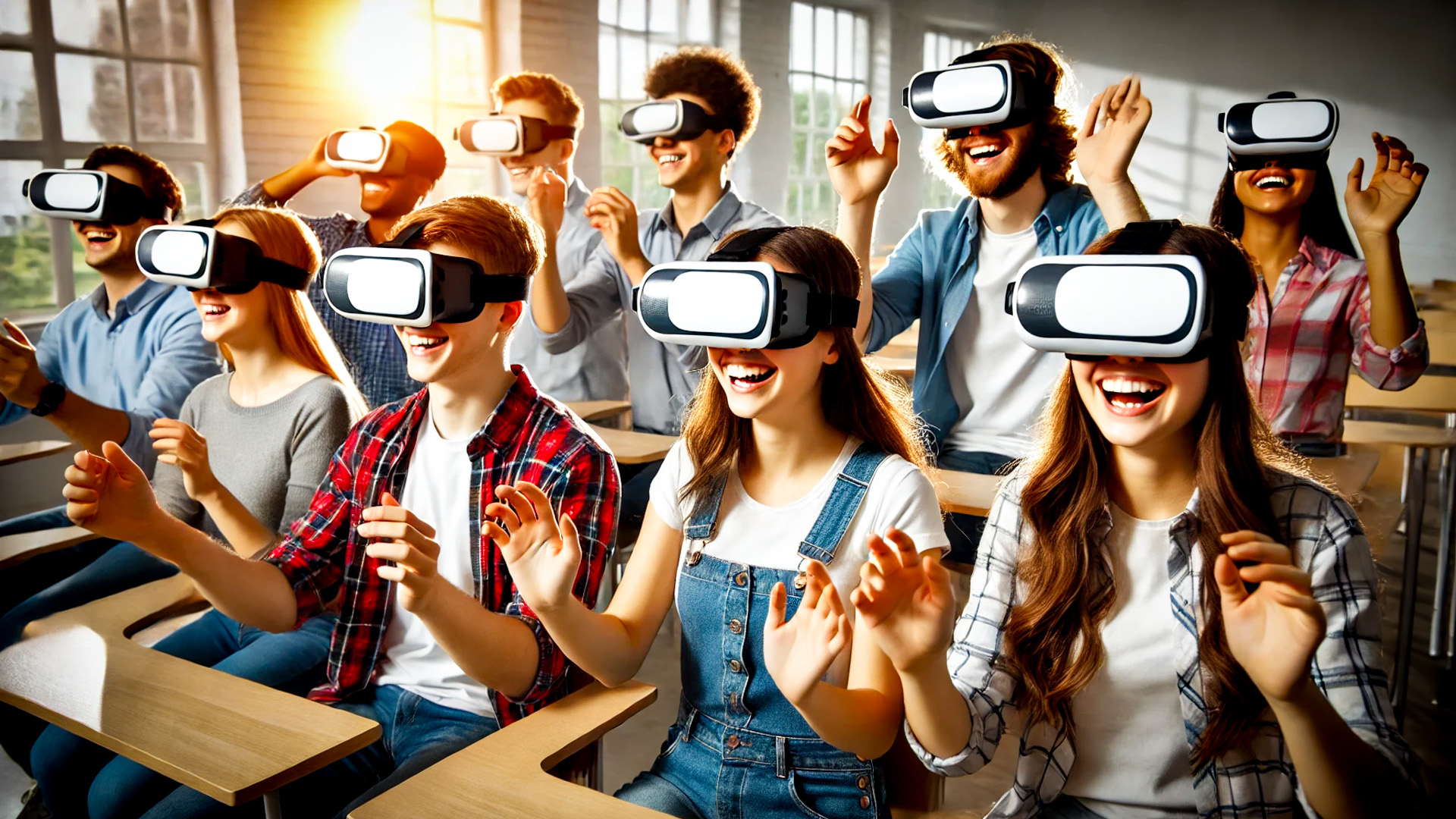
While the potential for virtual reality (VR) in education is indeed exciting, it’s crucial to examine real-world examples of successful implementation that showcase its effectiveness. Several schools and institutions are at the forefront of integrating VR into their classrooms, demonstrating its versatility as an educational tool.
For instance, in some history classes, students have been taken on immersive virtual field trips to ancient Rome, where they can explore iconic landmarks like the Colosseum or the Roman Forum. This experiential learning approach allows students to engage with history in a way that textbooks cannot replicate, fostering a deeper understanding of the cultural and historical context of the time. Additionally, in virtual biology labs, students can dissect animals in a simulated environment, thereby addressing ethical concerns while still achieving essential learning objectives. These case studies illustrate not only the educational value of VR but also its role in promoting inclusivity by catering to different learning styles and abilities.
These institutions are leveraging VR to teach vital skills beyond traditional content knowledge. Through collaborative VR experiences, students can practice empathy by stepping into the shoes of individuals from diverse backgrounds, understanding different perspectives and challenges. These lessons in empathy, collaboration, and global awareness are integral to fostering a more inclusive and compassionate society.
The Future of Inclusive Education with VR
Emerging Technologies and Trends in Virtual Learning
As technology advances, the future of inclusive education powered by virtual reality (VR) looks exceedingly promising, with a plethora of innovative solutions on the horizon. Emerging technologies such as augmented reality (AR) and mixed reality (MR) are poised to enhance the VR experience, creating even more interactive and immersive learning environments. These innovations will help educators engage students in ways that were previously unimaginable, thereby breaking down barriers in education. For example, AR can overlay digital information onto the real world, allowing students to visualize complex concepts in a more tangible manner, while MR can combine real and virtual elements to create hybrid learning experiences that adapt to the learner’s environment.
These technologies will further democratize education, making it more accessible to all students regardless of their location, abilities, or learning preferences. Students in remote areas can participate in virtual classrooms that bring the world to them, while those with disabilities can experience content tailored to their specific needs. As educational institutions increasingly adopt these technologies, we can expect a transformation in the way knowledge is imparted, with a focus on personalized learning experiences that cater to diverse learning styles.
How VR Continues to Shape the Future of Education
Virtual reality is not merely a passing trend; it is a groundbreaking tool that will continue to reshape the future of education. As educators and developers collaborate to create more inclusive and adaptable learning experiences, the role of VR in education is set to grow exponentially. This growth will be fueled by ongoing advancements in technology, including improvements in hardware, software, and content creation, which will enable richer, more engaging educational experiences.
The integration of VR into curricula is becoming increasingly sophisticated. Educators are finding new ways to incorporate VR into various subjects, from STEM to the arts, allowing students to explore complex ideas and concepts in a hands-on manner. For example, students can virtually participate in scientific research, conduct experiments in safe environments, or even engage with historical events, providing them with a deeper understanding of the material.
As educational institutions and policymakers recognize the transformative potential of VR, we can anticipate a shift in funding and resources directed toward implementing these technologies in classrooms. Professional development for educators will also play a crucial role, equipping them with the skills needed to effectively use VR and other emerging technologies in their teaching.
Embracing VR for a More Inclusive Future in Education
The Lasting Impact of VR on Diverse Learners
The integration of virtual reality (VR) into education holds the promise of creating profound and lasting changes for diverse learners. One of the most significant advantages of VR is its ability to democratize access to educational resources. Students from various backgrounds and abilities can engage with learning materials that were previously beyond their reach, whether due to geographical limitations, financial constraints, or learning difficulties. By offering customized and immersive experiences, VR plays a crucial role in bridging the gap between students’ unique needs and the content they need to master.
For instance, students who may struggle with traditional methods of instruction, such as those with learning disabilities or those who require alternative means of engagement, can benefit immensely from VR’s interactive nature. The immersive environments created by VR can cater to visual, auditory, and kinesthetic learning styles, enabling all students to interact with content in ways that resonate with them. This not only enhances comprehension but also boosts motivation and engagement, leading to improved academic outcomes. By fostering an inclusive learning environment, VR helps ensure that every student, regardless of their background or ability, has the opportunity to succeed.
Steps to Implement VR in Your Educational Environment
For educators looking to embrace VR in their classrooms, the journey begins with understanding the specific needs of their students. This foundational step is critical, as it allows educators to identify the types of VR experiences that would best support their learners. By considering factors such as students’ learning preferences, abilities, and existing technological infrastructure, educators can make informed decisions about the most appropriate VR tools and platforms to adopt.
Once the needs have been assessed, the next step is to explore the various VR resources available. Numerous platforms, such as Google Expeditions, Nearpod, and Labster, offer a wide range of immersive learning experiences designed to cater to diverse learners. Educators should take the time to familiarize themselves with these tools, assessing their features and capabilities to find those that align with their instructional goals.
Professional development and teacher training will be critical in ensuring the successful implementation of VR in inclusive education. Educators must feel confident and competent in using VR technology to facilitate engaging lessons. Schools and institutions can support this by providing ongoing training sessions, workshops, and resources that focus on effective VR integration in the classroom.