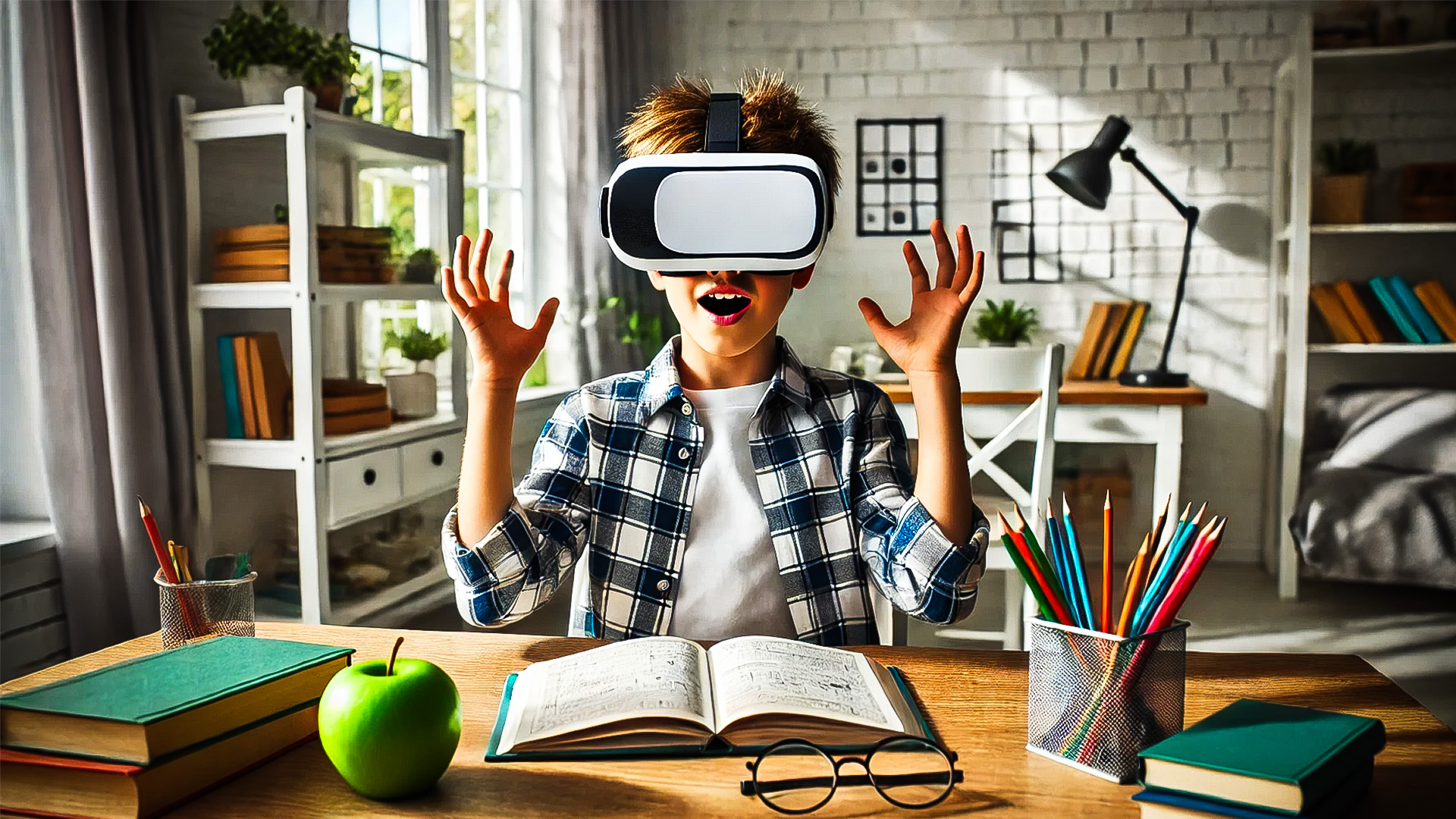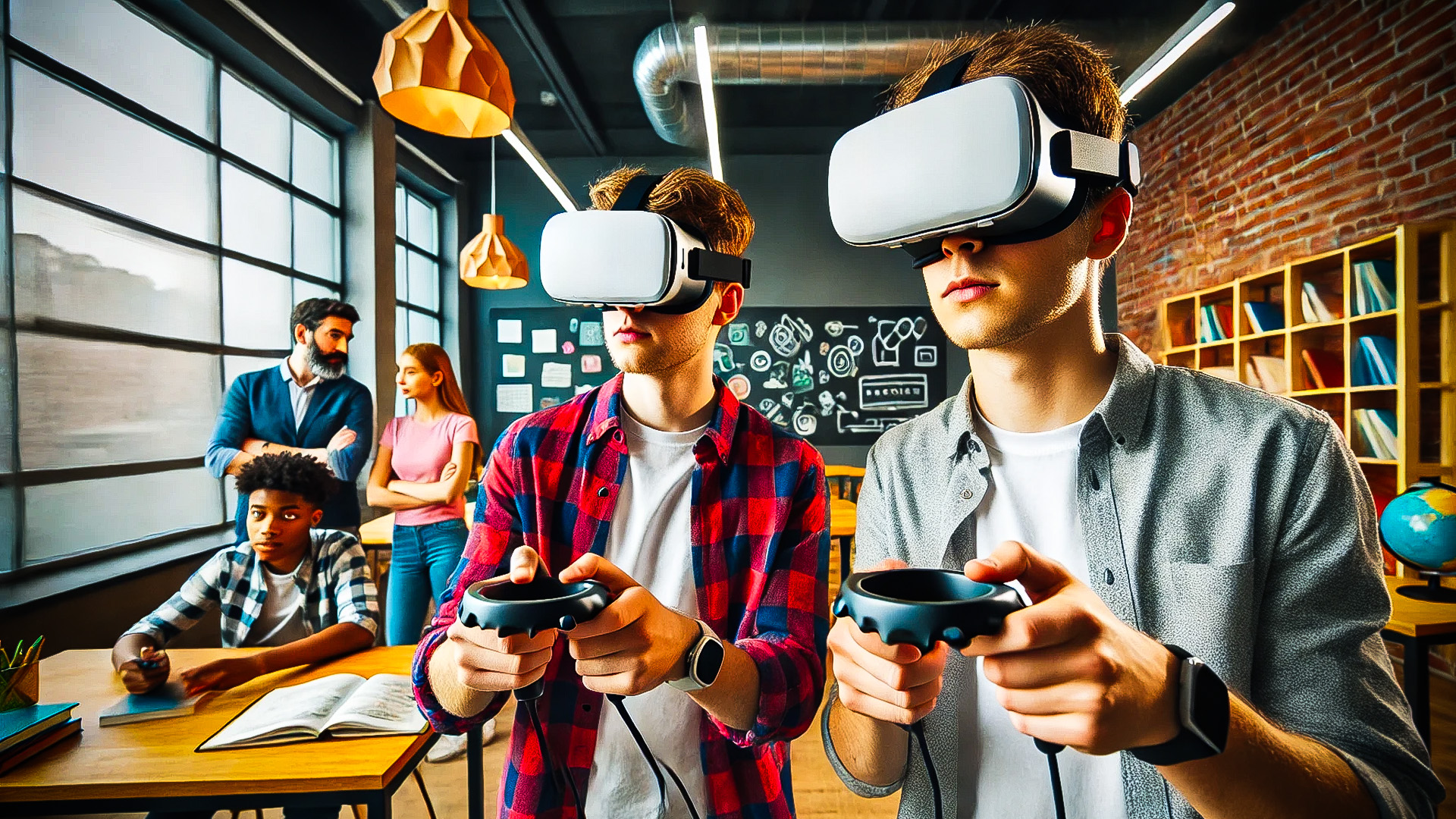

The landscape of education is undergoing a seismic shift, propelled by the relentless advance of technology. At the forefront of this change is Virtual Reality (VR), a medium that has transformed from a futuristic novelty into a practical tool for immersive learning. Where traditional education methods once relied heavily on textbooks and lectures, VR introduces an entirely new dimension—an experiential world where students can interact with content in profound, innovative ways. As educators seek more effective means to engage students, VR has emerged as a cornerstone of modern pedagogy, promising to reshape how knowledge is delivered and absorbed in classrooms around the globe.
The Power of Virtual Reality in Modern Education
How VR is Transforming the Learning Experience
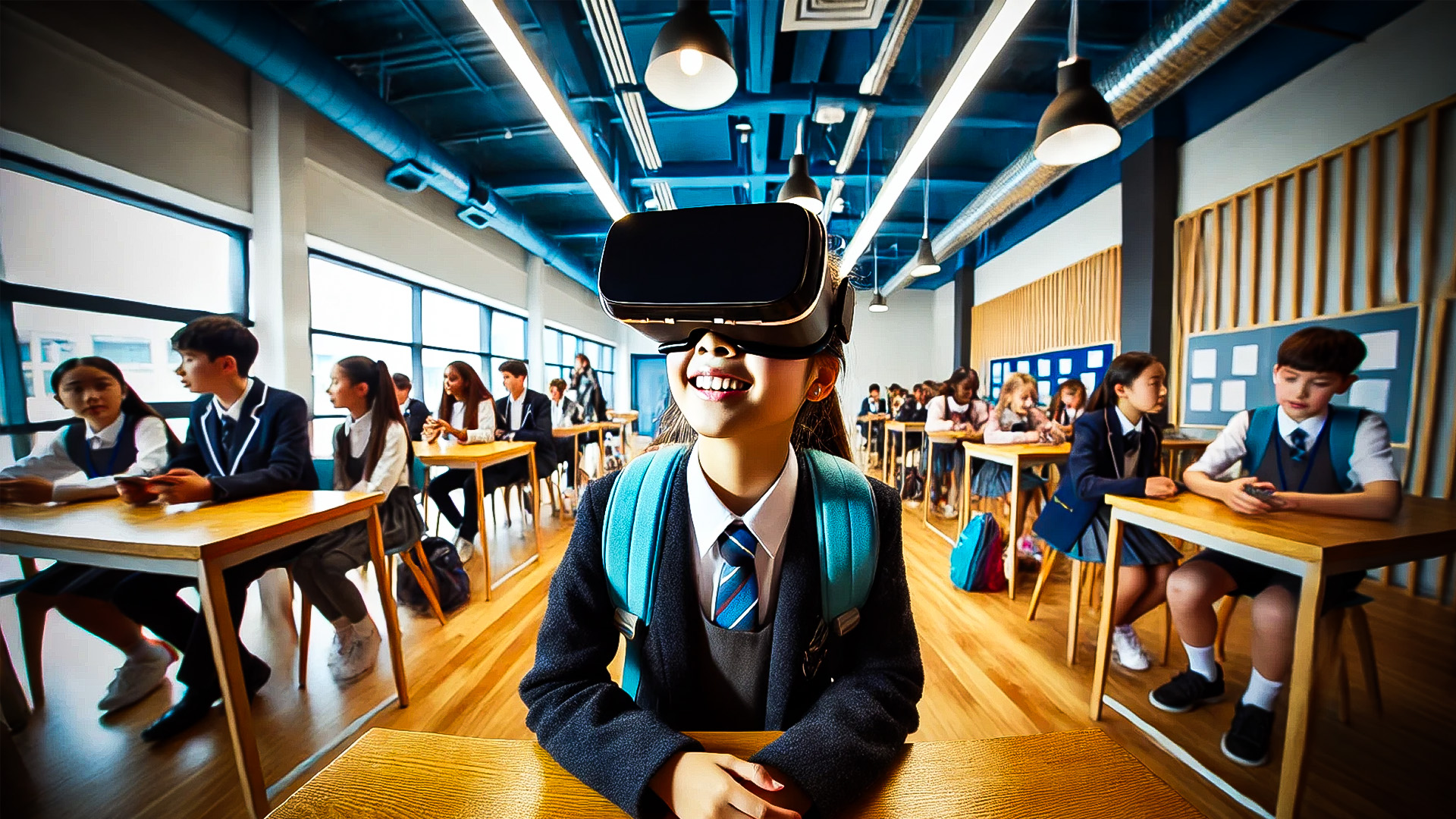
Virtual Reality is not merely an enhancement of the educational experience; it is a reinvention of the very process of learning. By creating immersive environments, VR allows students to step inside the content they are studying, whether it’s walking through ancient cities in history class or manipulating complex molecules in chemistry. This interactivity fosters deeper understanding and retention, as students are no longer passive recipients of information but active participants in their education. The experiential nature of VR makes abstract concepts tangible, enabling students to explore, experiment, and engage with material in ways that were previously unimaginable.
The Benefits of Immersive Learning Environments
Immersive learning environments offered by VR transcend the limitations of traditional education. In these environments, learning becomes a multisensory experience, engaging students not just cognitively, but emotionally and physically. The result is an enriched learning experience where students are more likely to be motivated and invested in their education. Moreover, the immersive quality of VR helps bridge gaps in understanding by providing visual and experiential context, making it easier for students to grasp complex ideas and theories. This level of engagement is particularly beneficial in subjects where visualization and hands-on experience are key to mastery.
VR as a Tool for Inclusive and Accessible Education
One of the most revolutionary aspects of VR in education is its potential to democratize learning. VR can create accessible learning experiences for students with disabilities, offering adaptive interfaces and environments that cater to individual needs. For instance, students with mobility issues can explore virtual worlds without physical constraints, while those with learning disabilities can benefit from tailored experiences that address their specific challenges. VR also levels the playing field by providing equal access to resources, regardless of geographic location. A student in a remote village can now explore the Louvre or participate in a virtual science lab, experiences that were once reserved for a privileged few.
Key Features to Look for in Educational VR Tools
User-Friendly Interface and Ease of Use for Educators
The effectiveness of VR in education hinges on its usability. For educators, who may not be tech-savvy, the prospect of integrating VR into their curriculum can be daunting. Thus, a user-friendly interface is crucial. The best VR tools are intuitive and designed with educators in mind, offering easy setup processes and straightforward navigation. These platforms should require minimal training, allowing teachers to focus on what they do best—teaching—without being bogged down by technical difficulties. Moreover, VR tools that provide comprehensive support, including tutorials and troubleshooting guides, empower educators to confidently adopt and implement this technology in their classrooms.
Compatibility with Existing Educational Content and Curriculum
Seamless integration with existing educational content is another critical feature of effective VR tools. Educators should look for platforms that are compatible with the curriculum they already use, allowing for a smooth transition between traditional and virtual teaching methods. This compatibility ensures that VR can enhance rather than disrupt the learning process. Whether it’s integrating with learning management systems (LMS) or aligning with state standards, the best VR tools are those that complement and augment the current educational framework. Additionally, these tools should offer customizable content, enabling educators to tailor VR experiences to specific lessons or learning objectives.
Scalability and Customization Options for Different Learning Levels
Education is not one-size-fits-all, and neither should be the VR tools that support it. Scalability is essential, as educators must be able to adjust the complexity of VR content to suit different learning levels—from elementary to higher education. The ability to customize VR experiences is equally important, allowing teachers to modify scenarios or add elements that align with their students’ unique needs and interests. Scalable and customizable VR tools ensure that every student, regardless of their proficiency level, can benefit from the technology. These features also make VR a versatile tool that can grow and evolve alongside students as they advance through their educational journey.
Top VR Platforms Tailored for Educators
Overview of Leading VR Platforms for Education
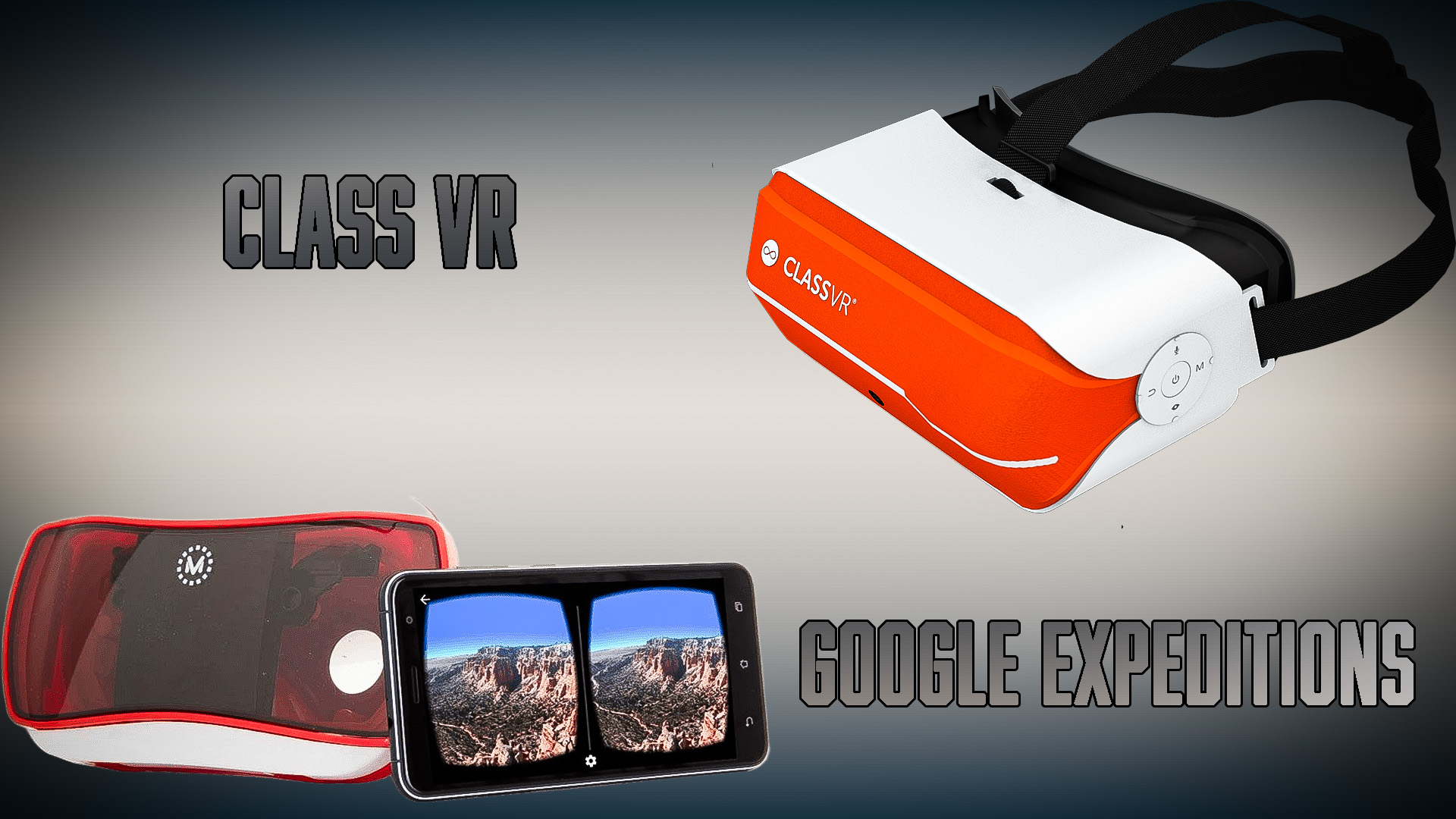
The market is burgeoning with VR platforms designed specifically for educational purposes, each offering unique features and benefits. Among the frontrunners are platforms like Google Expeditions, which allows students to take virtual field trips to destinations around the world, and ClassVR, which provides a comprehensive solution with content tailored to various subjects and grade levels. Another notable platform is Engage, which offers virtual classrooms and meeting spaces where students and educators can interact in real-time. These platforms have been designed with education in mind, offering tools that enhance teaching and learning in ways traditional methods simply cannot.
Comparing Pricing, Accessibility, and Features
When choosing a VR platform, educators must consider factors such as cost, accessibility, and feature sets. Pricing models vary widely, from one-time purchases to subscription-based services, and it’s important to assess what each platform offers in relation to its cost. Accessibility is another crucial factor, as the best platforms are those that can be used across a range of devices and do not require expensive hardware. Additionally, educators should evaluate the features of each platform—some may offer robust content libraries, while others focus on interactivity or ease of use. Balancing these factors will help educators select the platform that best meets their needs and budget constraints.
Integrating VR Platforms into Traditional Teaching Methods
Integrating VR into traditional teaching methods doesn’t mean discarding what works; rather, it involves enhancing current practices with new technology. The key is to use VR as a complement to existing teaching strategies. For example, a history lesson can be enriched by a virtual tour of ancient ruins, or a science class can be augmented with a VR simulation of a chemical reaction. The goal is to create a blended learning environment where VR serves as an additional tool in the educator’s arsenal, providing new opportunities for engagement and understanding. By thoughtfully integrating VR, educators can create a more dynamic and interactive classroom experience.
In-Depth Reviews of the Best VR Tools for Classroom Engagement
Exploring the Most Engaging VR Tools for STEM Education
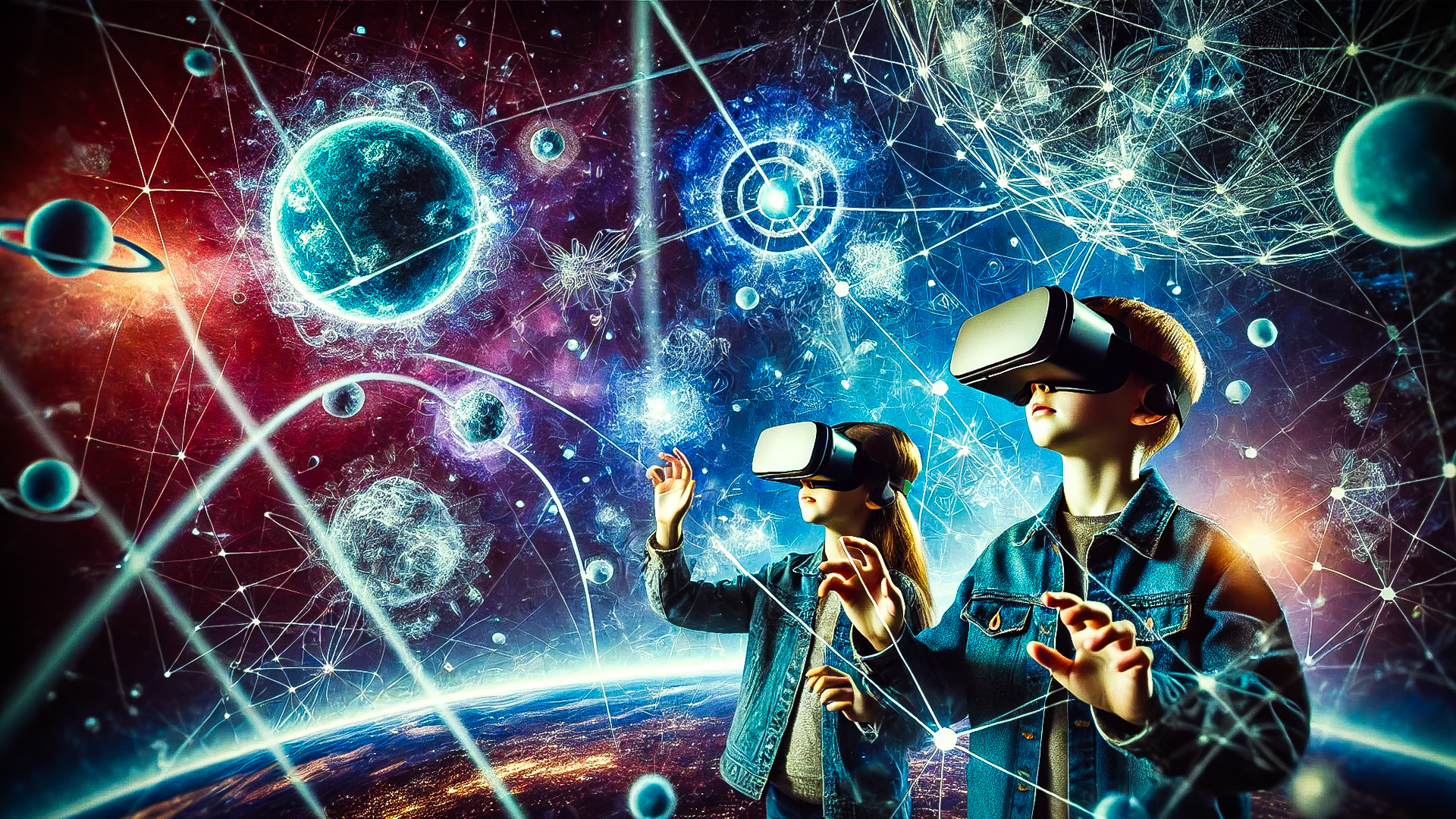
STEM education—Science, Technology, Engineering, and Mathematics—benefits immensely from VR, which brings abstract concepts to life through visualization and simulation. Tools like Labster offer interactive simulations where students can conduct experiments in a virtual lab, while zSpace provides an augmented reality experience that allows students to manipulate 3D models of everything from human organs to complex machines. These tools make STEM subjects more engaging by allowing students to experiment and explore in ways that are not possible in a traditional classroom. The result is a deeper understanding of concepts and a greater enthusiasm for learning.
Creative Arts and Humanities: VR Tools to Enhance Imagination
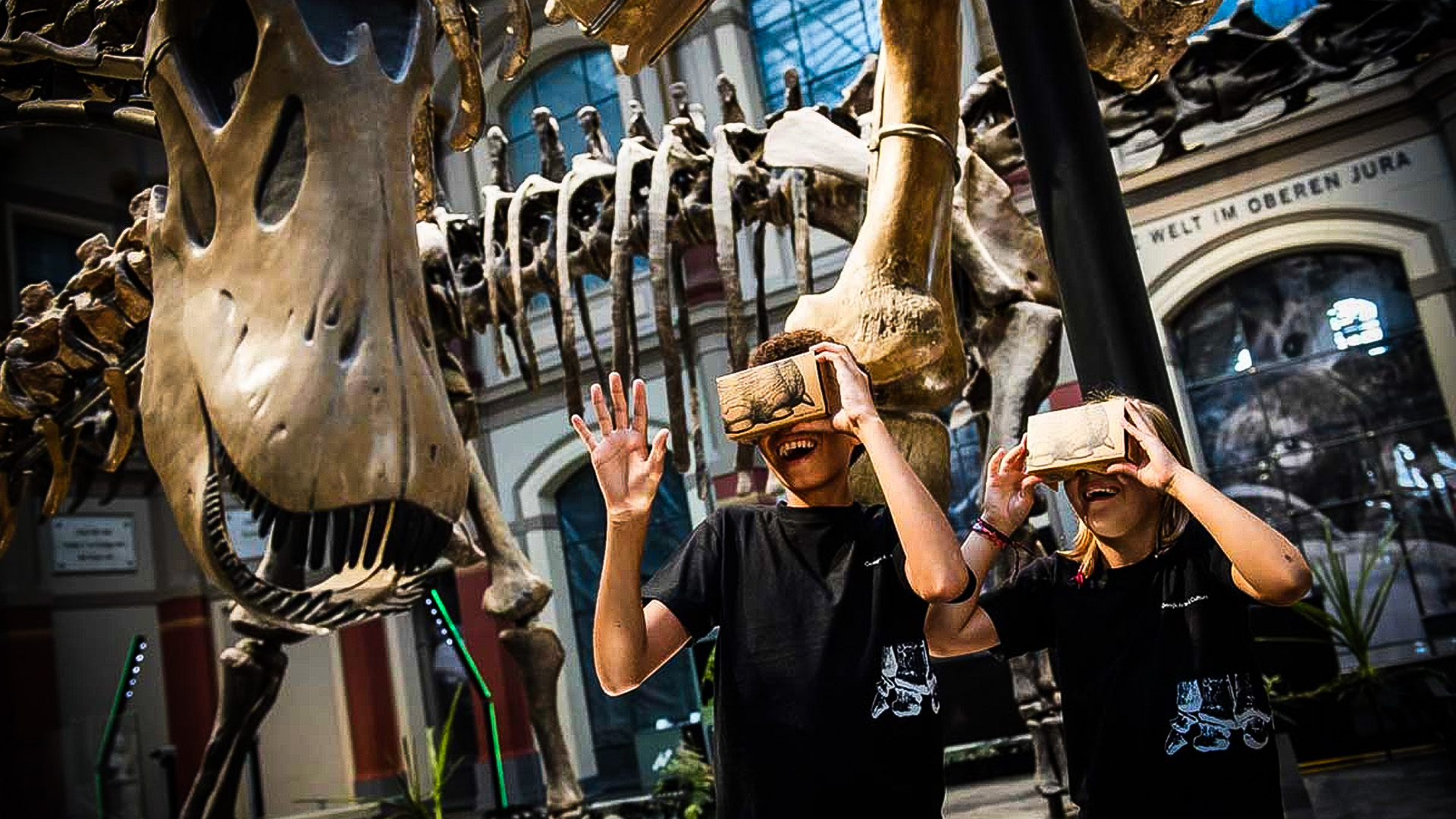
The Creative Arts and Humanities, often perceived as less compatible with technology, are finding new avenues of expression through VR. Platforms like Tilt Brush enable students to create 3D art in a virtual space, while VR experiences like Google Arts & Culture allow students to virtually explore museums and historical sites around the world. These tools enhance imagination and creativity by providing students with new mediums for expression and exploration. In the humanities, VR can bring literature, history, and culture to life, allowing students to step inside the worlds they are studying and experience them firsthand.
Language Learning and Cultural Studies: VR Tools for Global Learning
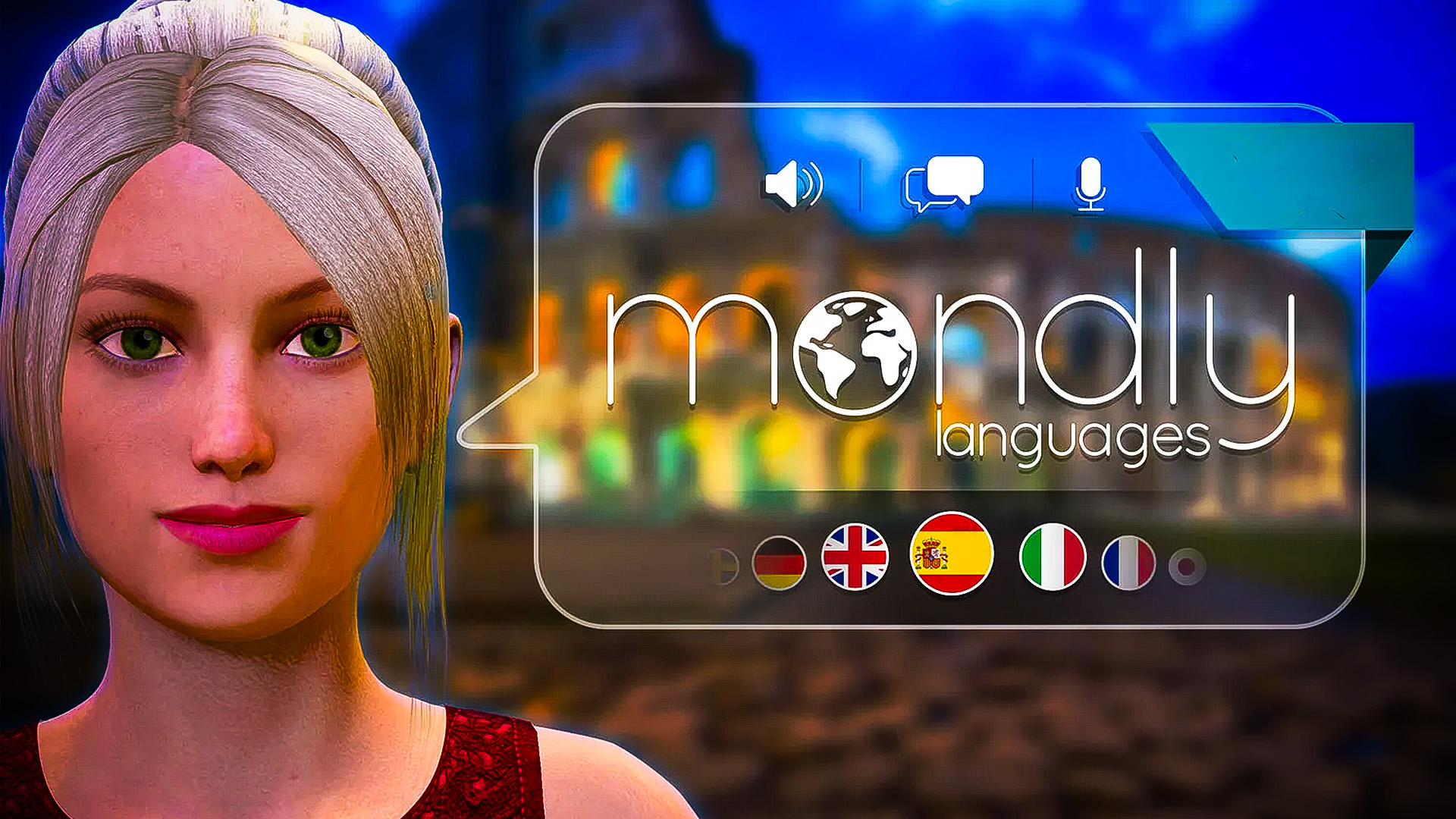
Language learning and cultural studies are inherently immersive fields, making them a perfect match for VR. Tools like Mondly VR offer interactive language learning experiences where students can practice speaking with virtual characters in real-world scenarios. Similarly, Google Earth VR allows students to explore different cultures and landscapes, providing context to their language studies. These tools not only improve language acquisition by offering practice in a virtual environment but also broaden students’ understanding of the world, fostering a global perspective. By immersing students in the languages and cultures they are studying, VR enhances both language proficiency and cultural awareness.
Real-World Success Stories: How Educators Are Using VR
Case Studies of VR Implementation in Schools and Universities
Across the globe, educators are harnessing the power of VR to revolutionize their classrooms. In South Korea, for example, a high school has integrated VR into its science curriculum, allowing students to explore the human body in 3D and conduct virtual dissections. In the United States, Stanford University’s Virtual Human Interaction Lab uses VR to study the impact of virtual experiences on human behavior, offering students hands-on learning opportunities in a cutting-edge field. These case studies highlight the diverse ways in which VR is being used to enhance education, from elementary schools to higher education institutions.
Testimonials from Educators and Students on the Impact of VR
The impact of VR in education is best understood through the voices of those who use it. Educators often report that VR has transformed their teaching by making lessons more interactive and engaging. Students, on the other hand, frequently express excitement about learning in VR, noting that it makes difficult concepts easier to understand and remember. Testimonials reveal that VR not only improves academic performance but also increases student motivation and interest in learning. These firsthand accounts provide compelling evidence of the positive effects of VR in education, underscoring its potential to transform the learning experience.
Overcoming Challenges and Maximizing the Potential of VR in Education
Despite its many benefits, the implementation of VR in education is not without challenges. Issues such as cost, accessibility, and the need for teacher training can pose significant barriers. However, these challenges are not insurmountable. Schools and universities can maximize the potential of VR by seeking funding opportunities, such as grants or partnerships with tech companies, to offset costs. Additionally, investing in
professional development for educators ensures that they are equipped to use VR effectively. By addressing these challenges head-on, educators can unlock the full potential of VR, creating a more engaging and effective learning environment.
The Future of VR in Education: Trends and Predictions
Emerging VR Technologies Poised to Revolutionize Learning
The future of VR in education is bright, with emerging technologies poised to take learning to the next level. Innovations such as haptic feedback, which allows users to feel virtual objects, and eye-tracking technology, which enables more intuitive interactions, are set to revolutionize the VR experience. These advancements will make VR even more immersive and interactive, offering new ways for students to engage with content. Additionally, as VR hardware becomes more affordable and accessible, its adoption in classrooms is likely to increase, making it a staple of modern education.
The Role of AI and VR in Personalized Education
Artificial Intelligence (AI) is set to play a significant role in the future of VR education. AI can personalize learning experiences by adapting VR content to meet the individual needs of students. For example, AI can adjust the difficulty level of a VR simulation based on a student’s performance, providing a tailored learning experience that challenges students at their own pace. This combination of AI and VR will create a more personalized and effective learning environment, where each student receives the support they need to succeed. As these technologies continue to evolve, they will redefine the possibilities of education.
Preparing for the Next Generation of Immersive Learning Tools
As we look to the future, it is clear that the next generation of immersive learning tools will be more advanced, more accessible, and more integral to education than ever before. Educators must prepare for this shift by staying informed about new developments in VR and other emerging technologies. Professional development and ongoing training will be essential to ensure that educators can effectively integrate these tools into their teaching. By embracing the next generation of immersive learning tools, educators can continue to innovate and provide students with the best possible education in an ever-changing world.
Choosing the Right VR Tools for Your Educational Needs
Tips for Educators New to VR Technology
For educators new to VR technology, the prospect of integrating it into the classroom can be overwhelming. However, starting small can make the transition smoother. Begin with simple VR experiences that complement your existing curriculum, and gradually explore more complex tools as you become more comfortable with the technology. It’s also important to seek out resources and communities of educators who are already using VR, as they can provide valuable advice and support. By taking a gradual approach, you can build your confidence and competence in using VR, making it a seamless part of your teaching toolkit.
Best Practices for Implementing VR in the Classroom
Implementing VR in the classroom requires careful planning and consideration. Start by identifying the learning objectives that VR can best support, and choose tools that align with these goals. It’s also essential to consider the logistics of using VR in your classroom, such as the availability of devices and the need for student supervision. To ensure a smooth implementation, test the VR tools yourself before introducing them to students, and develop a clear plan for how they will be used during lessons. By following these best practices, you can maximize the benefits of VR and create a more engaging and effective learning environment.
Final Thoughts on the Future of Education with VR
Virtual Reality is not just a passing trend in education; it is a transformative force that is reshaping how we teach and learn. As VR technology continues to evolve, it will become an increasingly integral part of the educational landscape, offering new opportunities for engagement, exploration, and understanding. For educators, the challenge is to embrace this technology and harness its potential to create richer, more immersive learning experiences. By choosing the right tools and approaches, educators can lead the way in the future of education, preparing students for a world where virtual and real learning environments seamlessly blend.