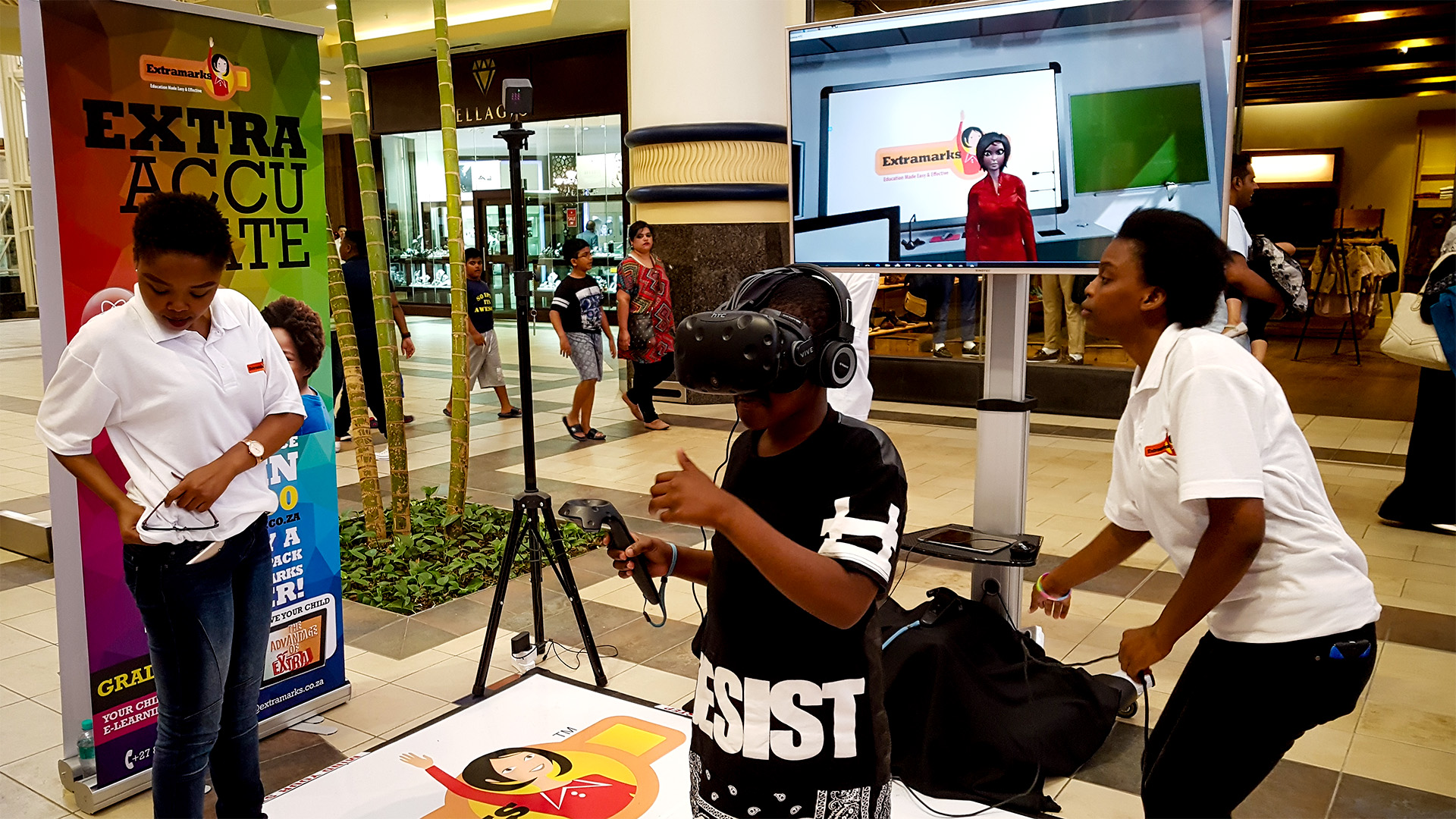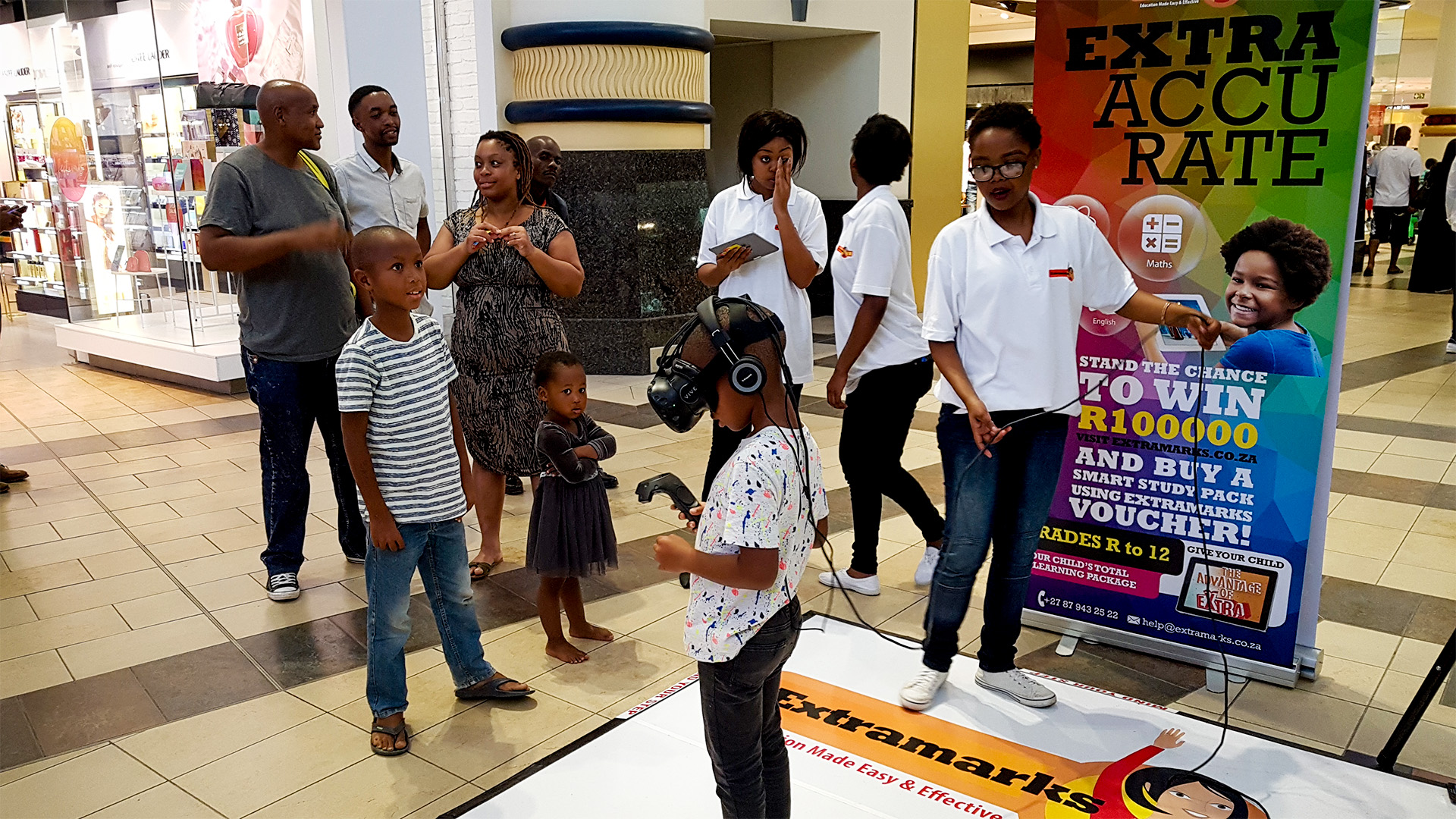

The modern educational landscape is evolving rapidly, propelled by advancements in technology that were once the stuff of science fiction. Among these innovations, Virtual Reality (VR) has emerged as a transformative tool in the classroom. No longer confined to textbooks and videos, learning has taken on a new dimension—one that immerses students in fully interactive, virtual environments. These virtual field trips are revolutionizing education by providing opportunities for exploration that transcend the limitations of geography, budget, and logistics. Students can now embark on journeys to historical landmarks, prestigious museums, or even the vastness of outer space—all within the confines of their classrooms.
The Rise of Virtual Field Trips in Modern Education
A Shift from Traditional Excursions to Virtual Exploration
For decades, field trips have symbolized excitement and adventure, allowing students to break free from the confines of the classroom and explore the world around them. However, traditional excursions often encountered numerous logistical hurdles, such as limited budgets, time constraints, and the need for extensive planning and coordination. Enter virtual field trips. With the advent of Virtual Reality (VR), the cumbersome requirements for buses, permission slips, and chaperones become obsolete. Instead, students simply don a VR headset and are instantly transported to captivating locations—be it the grandeur of a Roman colosseum, the lush biodiversity of the Amazon rainforest, or even the barren beauty of the moon’s surface. This transition toward virtual exploration not only simplifies the logistics but also enhances the educational experience by making it more immersive, merging rigorous learning with the thrill of discovery.
How Schools Are Embracing VR to Enhance Learning
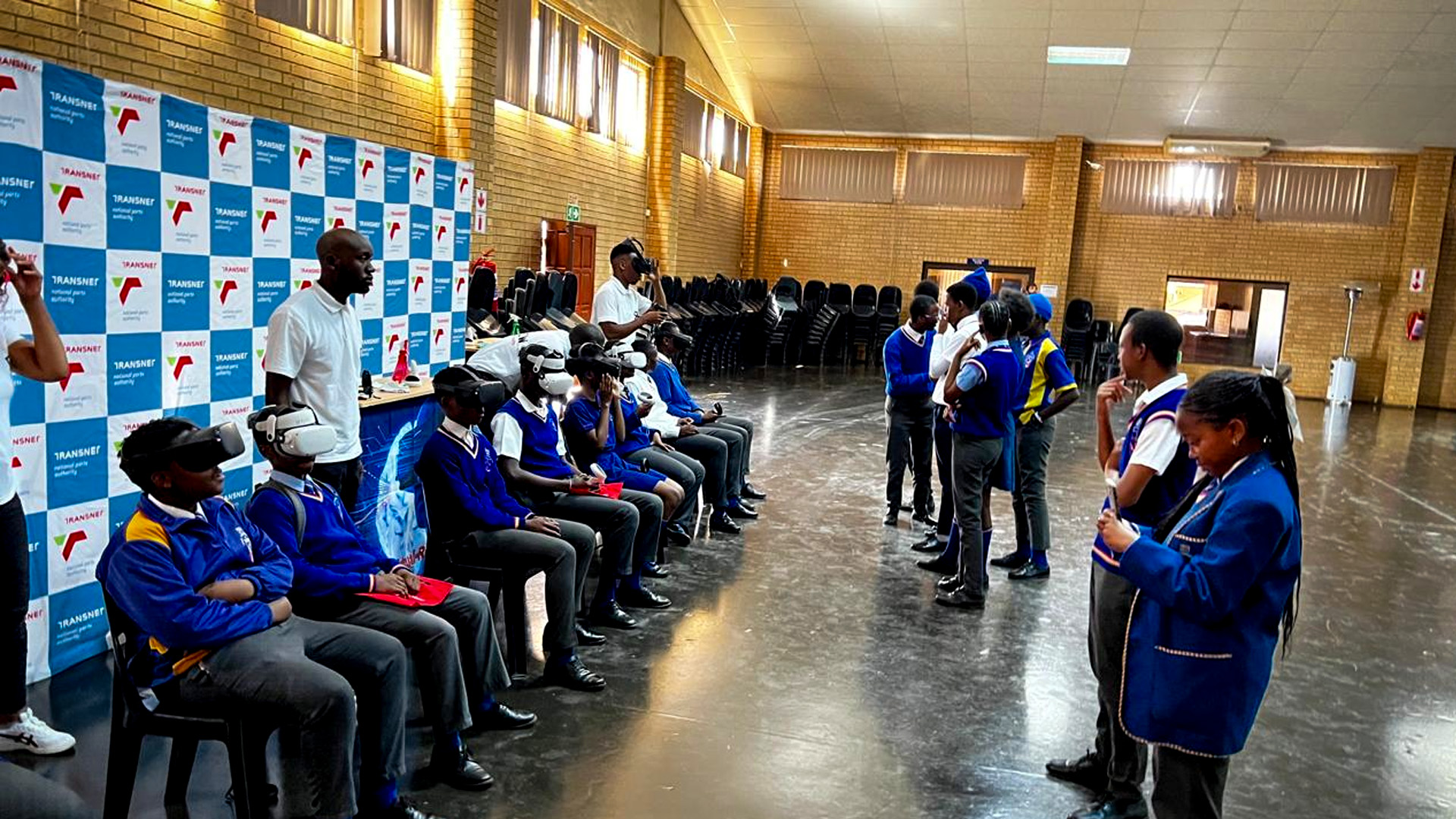
Educational institutions worldwide are increasingly recognizing the transformative potential of VR in enriching the learning process. Progressive schools are incorporating VR into their curricula to complement traditional teaching methods, enabling students to actively engage with subjects like history, geography, and science. No longer passive recipients of information, students become active participants in their educational journeys. Additionally, many schools are forging partnerships with technology companies to gain access to VR tools and platforms that facilitate the creation and execution of virtual excursions. The immersive nature of these experiences captivates students in ways that conventional teaching methods often struggle to achieve, making learning more dynamic and impactful.
Overcoming Geographical and Financial Barriers Through Virtual Reality
One of the most compelling advantages of virtual field trips is their ability to transcend geographical and financial barriers. In many schools, especially those in underserved regions, budget constraints have rendered real-world excursions a luxury. Geographic isolation further limits access to cultural and historical sites, widening the educational gap. VR levels the playing field, providing equal access to enriching experiences that were once reserved for a privileged few. With virtual technology, students in remote or economically disadvantaged areas can explore places they may never have visited in person, profoundly broadening their horizons and fostering a deeper appreciation for the world and its diverse cultures.
Exploring Historical Sites: Bringing the Past to Life
Walking Through Ancient Civilizations Without Leaving the Classroom
History often feels like a distant concept, particularly when students are tasked with memorizing dates and facts from dry textbooks. Virtual Reality (VR) revolutionizes this experience by making history palpable and immersive. Picture yourself strolling through the bustling streets of ancient Rome, with the sounds of merchants and the scent of local spices in the air, or standing in awe at the base of the towering Egyptian pyramids, feeling the heat of the desert sun. With VR, students can traverse lost civilizations, exploring their architecture, culture, and daily life as if they were truly there. This level of immersion transforms traditional historical lessons, enabling students to grasp complex ideas and retain information more effectively. By experiencing history firsthand, students cultivate a deeper connection to the past, fostering curiosity and engagement that goes beyond the classroom.
Visiting World Heritage Sites: From the Pyramids to the Great Wall
World Heritage Sites are invaluable treasures that encapsulate the rich tapestry of human history, yet accessing them can be a challenge for many students. Virtual field trips democratize this experience, allowing students to visit iconic landmarks from around the world with just a click. Imagine standing atop the Great Wall of China, marveling at its grandeur, or wandering through the intricate marble corridors of the Taj Mahal, absorbing its beauty up close. These virtual explorations instill a profound appreciation for global history and cultures, cultivating a sense of responsibility to preserve such wonders for future generations.
Interactive History Lessons: Reconstructing the Past with VR
VR takes learning a step further by facilitating interactive history lessons. Students can witness the reconstruction of pivotal historical events, such as the fall of the Roman Empire or the signing of the Magna Carta, in real-time. The interactivity offered by VR allows them to engage in activities like solving ancient puzzles, participating in simulated archaeological digs, or piecing together fragments of long-lost manuscripts. This hands-on approach not only enhances engagement but also promotes critical thinking and problem-solving skills, making history an exciting adventure rather than a chore.
Museum Visits Reimagined: VR as a Portal to Global Exhibits
Touring Renowned Art Galleries and Museums from Anywhere
Museums serve as treasure troves of human knowledge, creativity, and history, yet visiting them in person can be a rare privilege due to geographical, financial, or logistical constraints. Virtual Reality (VR) transforms this privilege into a daily opportunity, allowing students to explore renowned institutions like the Louvre, the Smithsonian, or the British Museum from the comfort of their own homes or classrooms. Through high-resolution imagery and expertly curated virtual tours, VR immerses students in these iconic spaces. As they navigate through stunning virtual exhibits, they can explore the masterpieces of Van Gogh, appreciate the intricacies of ancient artifacts, and experience the rich narratives that each piece embodies, all with the same depth and engagement as an in-person visit.
Interactive Exhibits: Touching History with Virtual Hands
While museums often enforce a “look, don’t touch” policy to protect their priceless artifacts, the virtual realm defies these limitations. Interactive VR exhibits provide students with the unique opportunity to virtually handle historical objects, creating a sensory-rich learning experience that enhances understanding. They can spin a 3D model of a dinosaur fossil, zoom in to examine the brushstrokes of a Renaissance painting, or feel the texture of a medieval tapestry—all without risking damage to the original items. This level of interaction invites students to engage with exhibits in a tactile manner, igniting curiosity and fostering a deeper connection to the material, making learning feel more personal and impactful.
Curated Learning Paths: Tailoring Museum Experiences to Curriculum
One of the most significant advantages of VR in education is its adaptability. Teachers can customize museum tours to align with their specific curriculum goals, ensuring that students focus on exhibits that reinforce their learning objectives. Whether a biology class is exploring the wonders of a natural history museum or an art class is visiting world-renowned galleries, VR enables educators to craft tailored learning paths. This tailored approach ensures that each virtual visit is not only engaging but also purposeful, supporting students’ educational journeys by linking their interests with curricular content.
Outer Space Adventures: Taking Students Beyond Earth
Journey to the Stars: Space Exploration Through VR
Outer space, often described as the final frontier, has long captivated the imaginations of students and dreamers alike. While actual space travel remains a distant aspiration for most, Virtual Reality (VR) brings the cosmos directly into the classroom. With VR, students can embark on thrilling interstellar voyages, journeying through distant galaxies, orbiting unfamiliar planets, or witnessing the spectacular birth of stars in real-time. These virtual space adventures create unparalleled educational opportunities, allowing students to explore the wonders of the universe in a manner previously reserved for astronauts and professional astronomers, making the mysteries of the cosmos accessible to all.
Immersive Astronomical Experiences: Visiting Planets and Galaxies
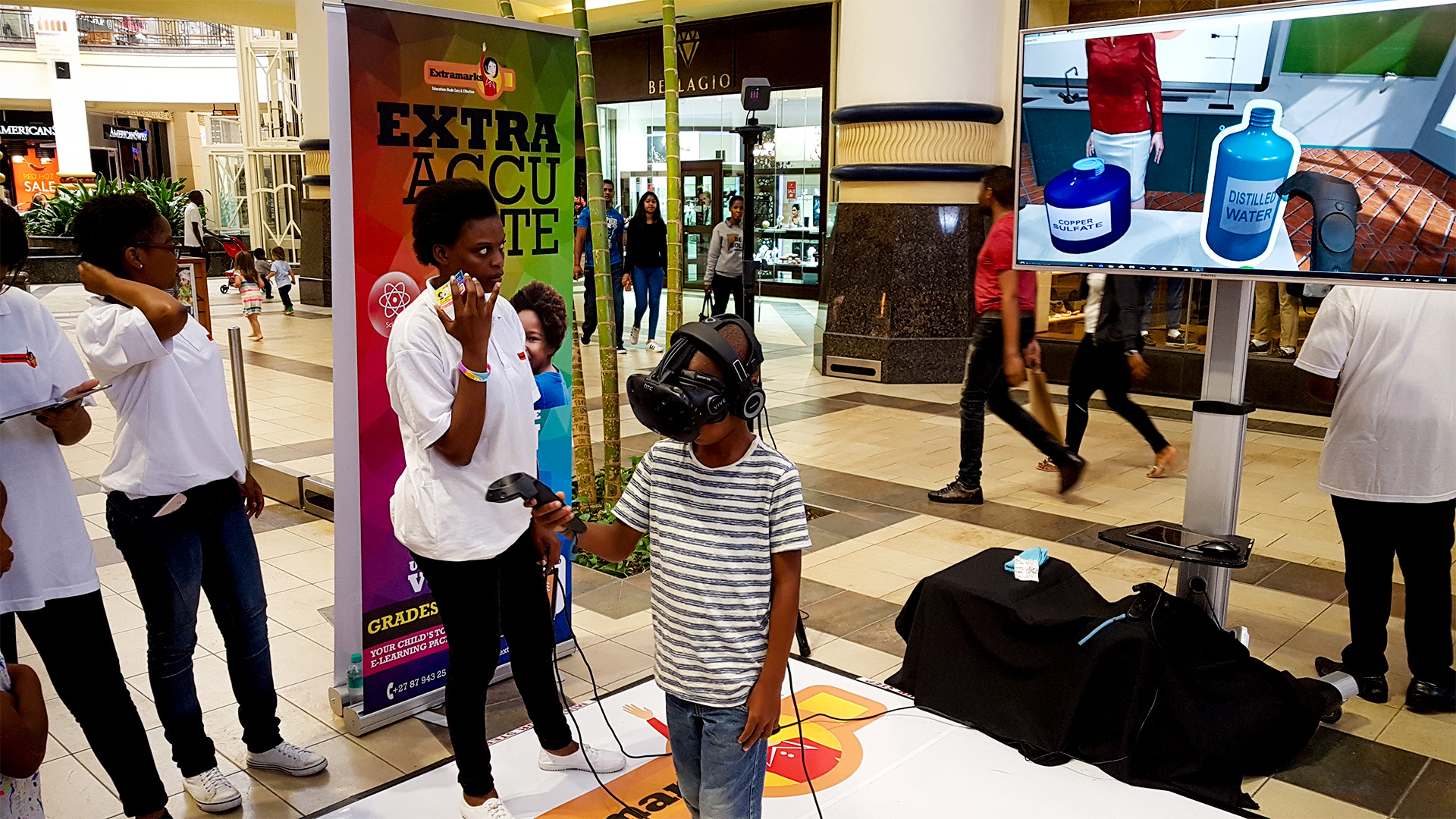
VR redefines traditional astronomy lessons, transforming them into breathtaking adventures that engage students on multiple levels. Instead of merely observing static images in textbooks, students can virtually land on Mars, navigate the rings of Saturn, or marvel at the vibrant colors of the Andromeda galaxy. With the power of VR, they can experience the vastness of the universe, zooming in on celestial bodies and maneuvering through stunning starscapes. These immersive experiences clarify abstract concepts, such as planetary orbits and black holes, while simultaneously fostering a profound sense of wonder about the universe’s complexities and beauty.
Inspiring Future Scientists and Astronauts Through Virtual Space Missions
For students aspiring to become scientists, engineers, or astronauts, VR offers a glimpse into a future filled with possibilities. Virtual space missions allow them to step into the shoes of astronauts, conducting experiments aboard the International Space Station or piloting rovers across the lunar surface. These engaging simulations not only impart knowledge about the science behind space exploration but also inspire students to pursue careers in STEM fields. By making the thrill of space travel accessible through VR, educators can ignite a passion for discovery and innovation that extends far beyond the classroom walls.
Benefits of Virtual Field Trips for Students
Enhancing Engagement and Retention Through Immersive Learning
One of the most significant advantages of virtual field trips is the remarkable increase in student engagement they foster. When learners can interact with their educational material in an immersive manner, they are far more likely to retain information effectively. Virtual Reality (VR) transforms learning from a passive experience into an active exploration, inviting students to delve deeper into subjects, ask pertinent questions, and think critically about their surroundings. This heightened engagement not only enhances retention but also cultivates a deeper understanding of the subject matter, as students become active participants in their education rather than mere spectators. By making lessons dynamic and interactive, VR promotes a lifelong love for learning.
Breaking Down Educational Barriers for Remote or Underserved Students
For students in remote or underserved communities, the opportunity for traditional field trips can often seem unattainable due to logistical, financial, or geographical constraints. VR effectively bridges this gap, providing equal access to enriching educational experiences regardless of location or socioeconomic status. With virtual field trips, these students can explore landmarks, museums, and cultural sites that they might never have the chance to visit in person. This exposure not only broadens their horizons but also fosters a sense of global citizenship, empowering them to dream beyond their immediate environments.
Fostering Curiosity and Global Awareness with Access to New Experiences
By offering students the chance to encounter new environments, cultures, and historical contexts, virtual field trips actively encourage curiosity and global awareness. Through immersive experiences, students can journey to far-off destinations, explore diverse ways of life, and develop empathy for individuals from varied backgrounds. These enriching experiences expand students’ worldviews, equipping them to become informed, compassionate global citizens ready to engage with the complexities of the world around them.
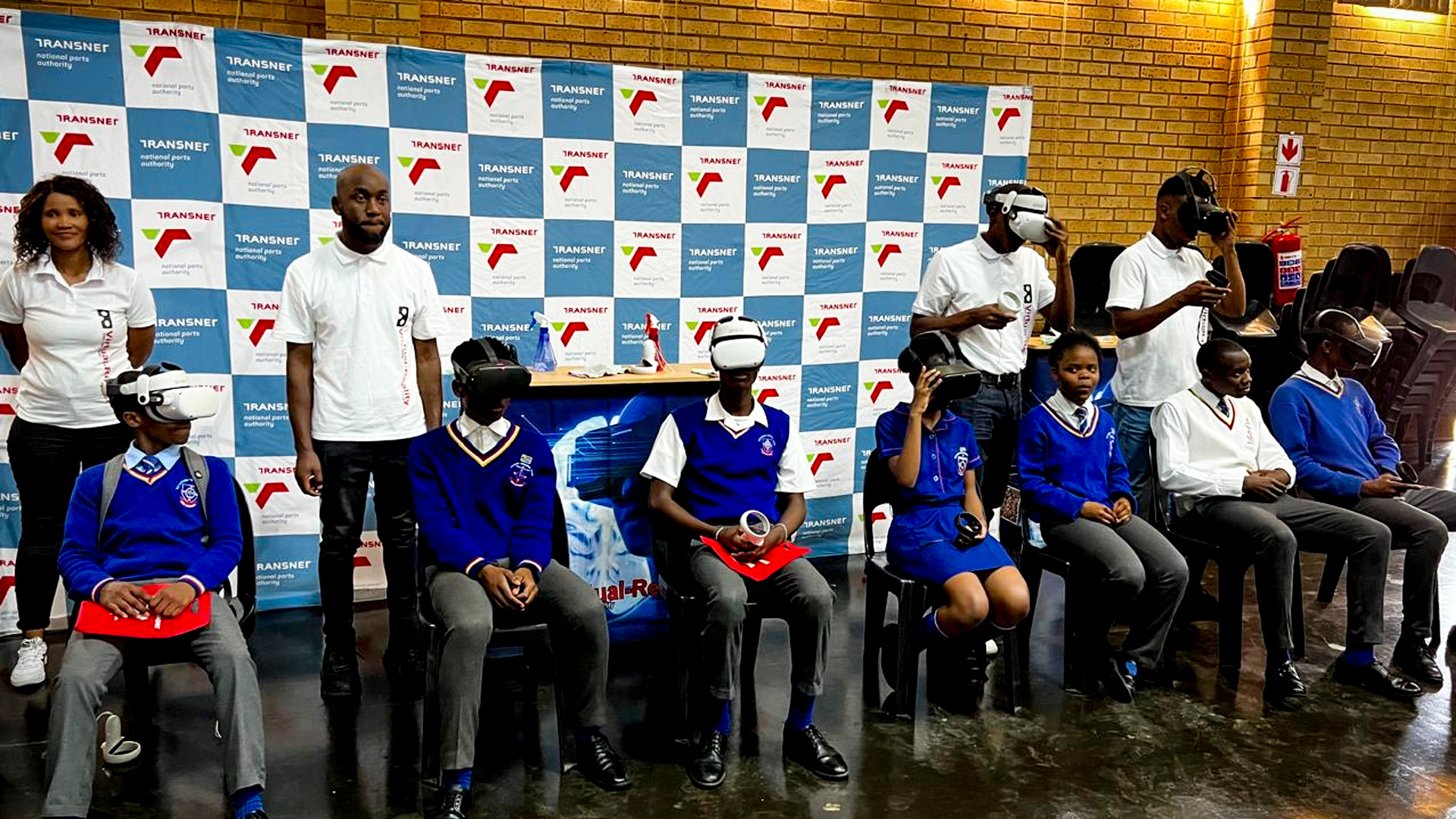
Challenges and Considerations in Implementing Virtual Field Trips
The Cost of VR Technology in Schools
While the advantages of virtual field trips are evident, the cost of implementing VR technology poses a significant challenge for many schools. High-quality VR headsets, software, and supporting equipment can represent a substantial financial investment, and not all educational institutions have the budget or resources necessary to acquire them. This financial barrier can limit the ability of schools, particularly those in underserved areas, to integrate this transformative technology into their curricula. However, as VR becomes increasingly mainstream and competitive, industry trends indicate that the cost of entry is expected to decrease over time. This anticipated drop in prices could pave the way for broader adoption of VR in education, enabling a wider range of schools to enhance their teaching methodologies and provide engaging learning experiences.
Ensuring Equity: Access to VR for All Students
Beyond the financial aspect, equity is a crucial consideration when integrating VR into educational settings. Ensuring that all students have equal access to VR technology is vital for fostering an inclusive learning environment. Schools must explore innovative solutions, such as community partnerships, grants, or shared resources, to make VR available to all students, irrespective of their socioeconomic backgrounds. By addressing these disparities, educational institutions can work towards eliminating the digital divide and ensuring that every student has the opportunity to benefit from immersive learning experiences.
The Balance Between Virtual and Real-World Experiences
While VR presents remarkable opportunities for exploration and engagement, it is essential to strike a thoughtful balance between virtual and real-world experiences. VR should be seen as a complementary tool rather than a replacement for traditional field trips and hands-on learning activities. Educators must strategically integrate VR into their curricula, utilizing it to enhance understanding and engagement while still valuing the importance of real-world exploration. By maintaining this balance, educators can provide students with a holistic learning experience that embraces both the digital and physical worlds.
The Future of Virtual Field Trips in Education
Integrating AI and VR for Customized Learning Journeys
The future of virtual field trips is poised for transformation with the integration of Artificial Intelligence (AI). By leveraging AI, educators can craft personalized learning experiences that adapt to each student’s unique interests, learning styles, and paces. Instead of offering a one-size-fits-all approach, AI enables virtual field trips to evolve into dynamic, tailored journeys that respond to individual student needs. For instance, if a student shows a keen interest in marine biology, the AI can tailor the virtual experience to focus on underwater ecosystems, guiding them through interactive exhibits that delve deeper into the subject. This customization not only enhances engagement but also ensures that every student can fully benefit from the learning experience.
The Role of the Metaverse in Shaping Future Educational Excursions
As the metaverse continues to evolve, it stands to play a pivotal role in shaping the future of education. This interconnected virtual realm offers students the opportunity to embark on field trips alongside peers from across the globe, fostering collaboration on projects within shared virtual spaces. Imagine students working together to solve real-world problems or attending live lectures from leading experts without leaving their classrooms. The metaverse has the potential to redefine student interaction, creating a truly global learning community that transcends geographical boundaries and enhances educational experiences.
How Virtual Field Trips Will Evolve to Meet the Needs of Tomorrow’s Students
With ongoing technological advancements, virtual field trips are set to become even more immersive, interactive, and accessible. Future students will explore increasingly sophisticated virtual environments that blur the lines between the physical and digital worlds. These developments will allow learners to traverse new frontiers—from the depths of the ocean to the far reaches of space—while instilling a lifelong passion for learning and discovery.
A Boundless World of Learning with Virtual Field Trips
Virtual field trips represent an endless frontier of educational possibilities. By guiding students through immersive journeys to historical sites, museums, and even outer space, VR transcends the limitations of time, geography, and budget. As technology advances, the future of education lies in the seamless integration of virtual experiences that inspire curiosity, nurture global awareness, and provide equal access to transformative learning opportunities for all students, fostering a brighter future for education.