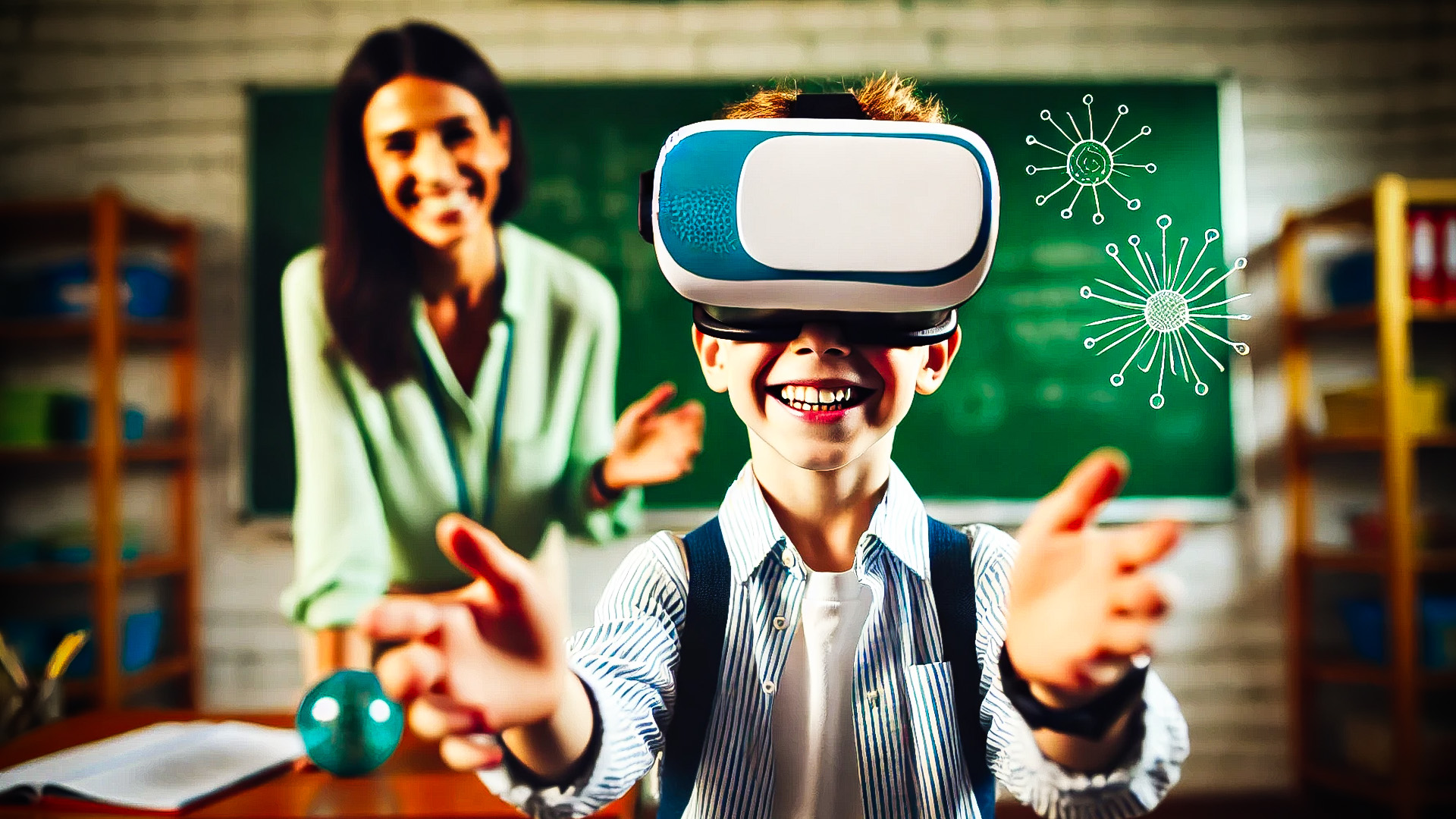

Field trips have long been a cherished educational tradition, offering students the chance to step outside the confines of the classroom and immerse themselves in real-world experiences. These excursions have served as a bridge between theoretical knowledge and practical application, enriching students’ understanding by exposing them to new environments, cultures, and ideas. However, as educational paradigms shift and technology evolves, the traditional field trip is undergoing a transformation. Enter the era of virtual field trips—an innovative approach that brings the world to the classroom, leveraging cutting-edge technology to provide immersive, educational experiences without the need for physical travel.
The Rise of Virtual Reality in Education
The Intersection of Technology and Learning
The advent of virtual reality (VR) has revolutionized the educational landscape, offering unprecedented opportunities to enhance learning. By creating immersive, 3D environments, VR blurs the lines between the digital and physical worlds, allowing students to interact with and explore content in ways that were previously unimaginable. This intersection of technology and learning is not just a fleeting trend; it represents a fundamental shift in how education is delivered. As VR becomes more sophisticated and accessible, it is increasingly being integrated into educational curricula, providing students with a dynamic, engaging, and highly interactive learning experience.
How VR is Revolutionizing Traditional Teaching Methods
Traditional teaching methods, while effective, often rely on passive forms of learning, such as lectures and textbook readings. VR, on the other hand, offers a more active, hands-on approach. Through virtual simulations and interactive environments, students can engage with content in a more meaningful way, fostering deeper understanding and retention. For instance, instead of merely reading about ancient civilizations, students can virtually visit historical sites, witness reconstructions of significant events, and interact with digital avatars representing historical figures. This revolutionary approach not only enhances engagement but also caters to different learning styles, making education more inclusive and effective.
The Increasing Accessibility of VR in Classrooms
Once considered a luxury reserved for high-tech labs or affluent schools, VR is becoming increasingly accessible to a broader range of educational institutions. The development of more affordable VR headsets and the proliferation of educational software designed for VR have made it possible for schools with limited budgets to incorporate this technology into their classrooms. Additionally, the rise of mobile VR—where smartphones can be used as VR devices—has further democratized access to virtual reality, ensuring that more students can benefit from this transformative technology. As VR continues to gain traction, its role in education is expected to expand, offering even greater opportunities for immersive learning.
What Are Virtual Field Trips?
Definition and Overview of Virtual Field Trips
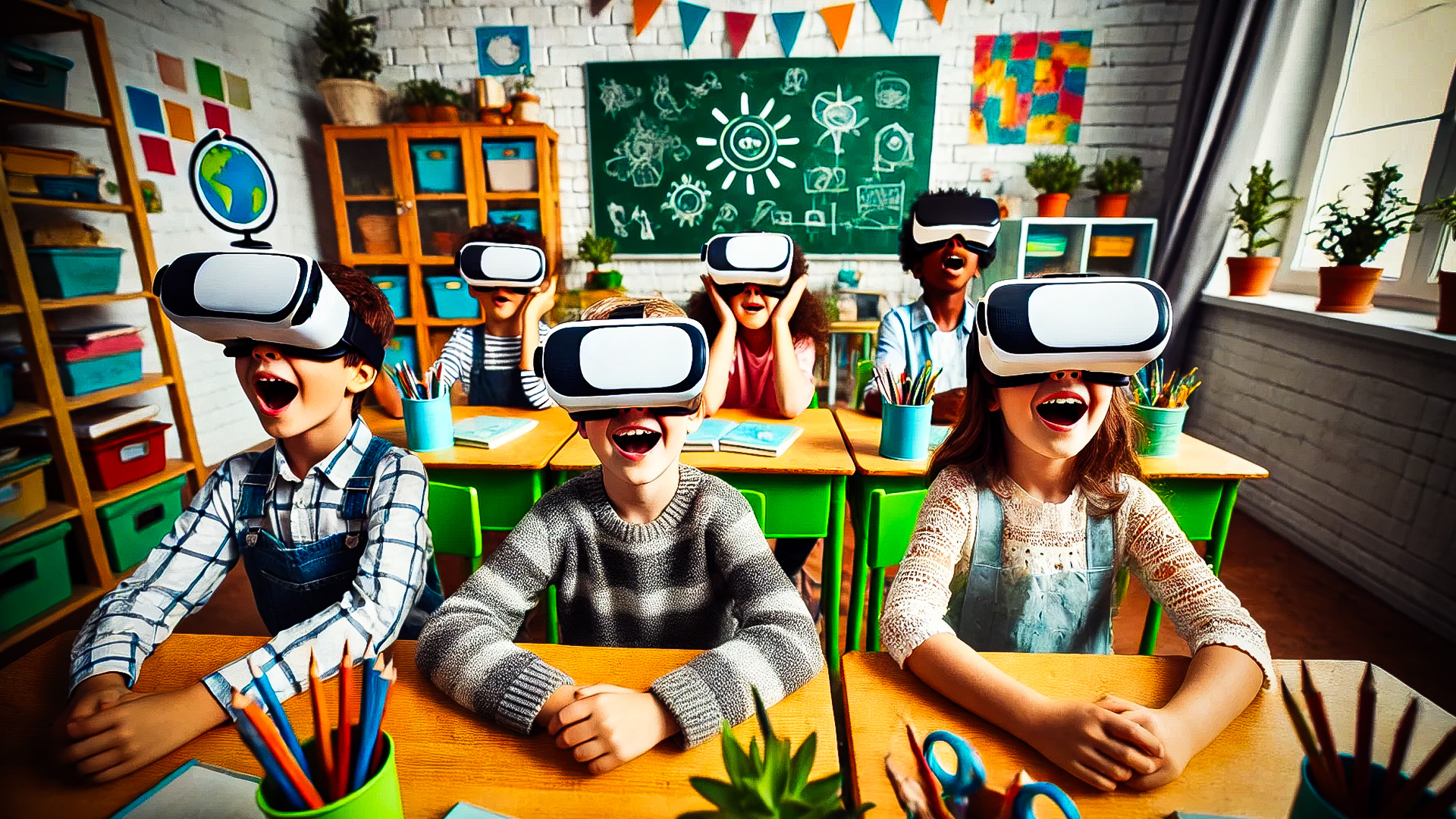
Virtual field trips are digital experiences that allow students to explore real-world locations, historical sites, cultural landmarks, and natural wonders through the lens of virtual reality. Unlike traditional field trips, which require physical travel, virtual field trips can be conducted entirely within the classroom, using VR headsets or even standard computers and tablets. These virtual excursions provide students with a sense of presence and immersion, making them feel as though they are physically at the location they are exploring. Through high-definition visuals, spatial audio, and interactive elements, virtual field trips bring distant or otherwise inaccessible places to life, offering an educational experience that is both engaging and informative.
The Types of Virtual Field Trips Available Today
The range of virtual field trips available today is vast and varied, catering to different educational needs and interests. Students can embark on historical tours, visiting ancient civilizations such as Egypt or Rome, or they can explore contemporary cultural hubs like New York City or Tokyo. Natural wonders are also within reach, with virtual trips to the Grand Canyon, the Amazon Rainforest, or the Great Barrier Reef. For those interested in science and technology, there are virtual tours of laboratories, space stations, and even the inner workings of the human body. Additionally, many museums and art galleries now offer virtual tours, allowing students to view priceless works of art and artifacts from around the world without leaving their desks. The possibilities are nearly endless, limited only by the creativity of educators and the developers of VR content.
Key Differences Between Virtual and Physical Field Trips
While both virtual and physical field trips aim to enrich students’ education by providing experiential learning opportunities, there are key differences between the two. Physical field trips offer the tangible experience of being in a new environment, interacting with people, and engaging with the world in a multisensory way. However, they are often constrained by factors such as cost, logistics, and accessibility. Virtual field trips, on the other hand, offer unparalleled convenience and accessibility, allowing students to visit places that might be too far, too expensive, or too dangerous to explore in person. While virtual field trips may lack the physicality of traditional excursions, they compensate with immersive, interactive experiences that can be customized to align with educational objectives.
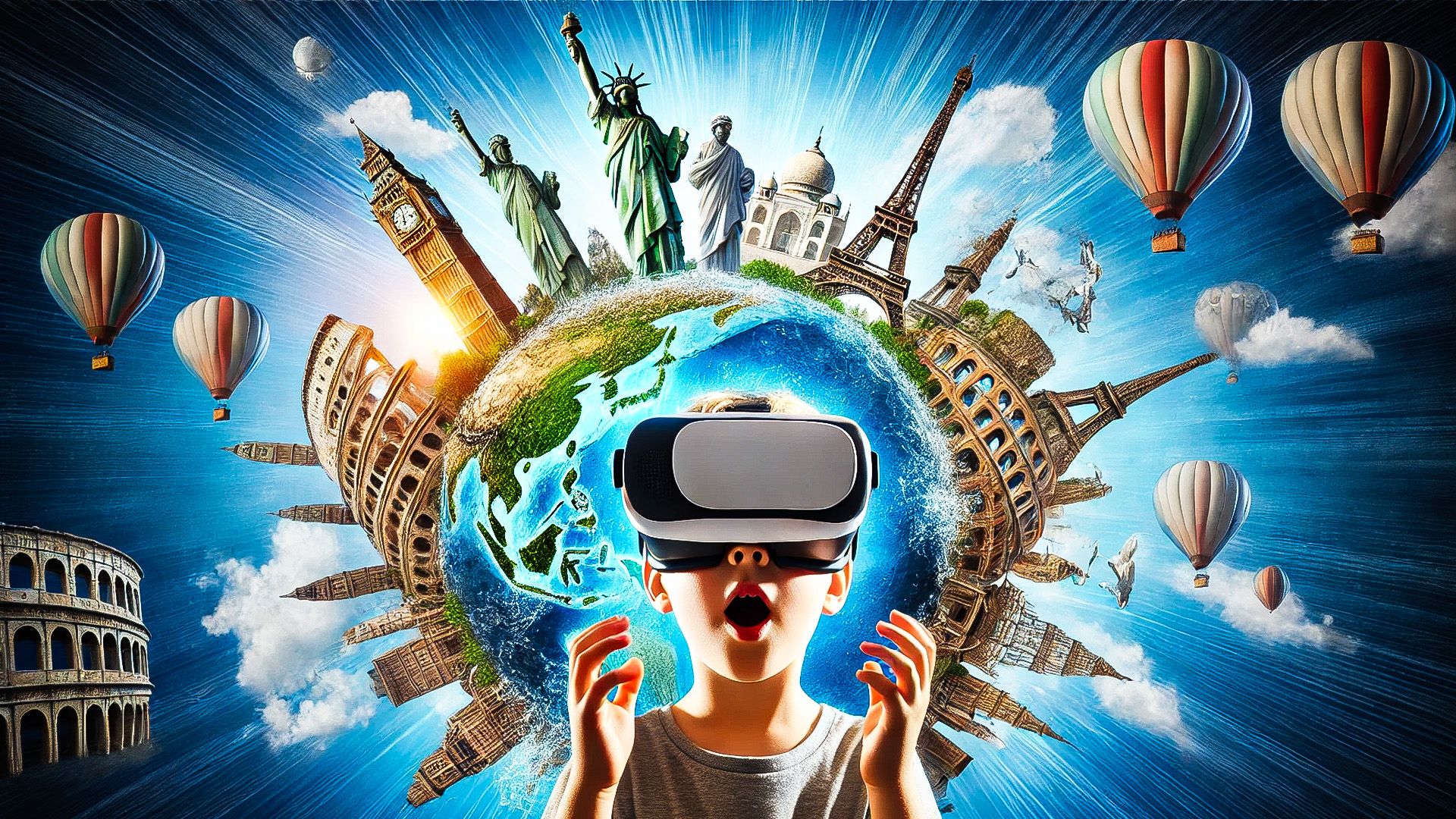
Immersive Learning: How VR Transports Students to Global Landmarks
Experiencing Historical Sites in Real-Time
Imagine stepping back in time to witness the construction of the pyramids or walking through the streets of ancient Rome. With VR, these experiences are not just the stuff of imagination—they are reality. Virtual field trips allow students to visit historical sites and experience them as they were in their heyday. Through detailed reconstructions, students can explore these sites in real-time, learning about the people, events, and cultures that shaped history. This level of immersion helps to bring history to life, making it more engaging and memorable for students.
Virtual Museum Tours: A Walk Through Time and Art
Museums are treasure troves of knowledge, offering insights into art, history, science, and culture. However, not all students have the opportunity to visit these institutions in person. Virtual museum tours address this gap by providing digital access to some of the world’s most renowned museums. Students can wander through the halls of the Louvre, gaze at the Mona Lisa, or explore the exhibits of the Smithsonian—all from the comfort of their classroom. These virtual tours often include interactive elements, such as quizzes, games, and audio guides, that enhance the learning experience and make it more engaging.
Exploring Natural Wonders Without Leaving the Classroom
The natural world is full of wonders that can inspire awe and curiosity in students. Yet, field trips to these locations are often impractical, if not impossible, for many schools. Virtual field trips solve this problem by bringing the majesty of nature into the classroom. Whether it’s the towering peaks of the Himalayas, the vibrant coral reefs of the Pacific, or the vast plains of the Serengeti, students can explore these natural wonders in stunning detail through VR. These virtual experiences not only educate students about the environment but also foster a deeper appreciation for the natural world and the importance of conservation.
Expanding Horizons: Cultural Exposure Through Virtual Field Trips
Connecting with Diverse Cultures: A Global Perspective
In an increasingly interconnected world, understanding and appreciating cultural diversity is more important than ever. Virtual field trips offer a unique opportunity for students to connect with and learn about different cultures from around the globe. Through VR, students can visit far-flung destinations, experience local traditions, and interact with people from different cultural backgrounds. Whether it’s attending a traditional dance in Bali, participating in a tea ceremony in Japan, or exploring the markets of Marrakech, these virtual experiences provide students with a global perspective that enriches their education and broadens their horizons.
Virtual Homestays: Living a Day in the Life of Students Worldwide
One of the most immersive forms of cultural exchange is the homestay, where students live with a host family in a foreign country. While not all students have the opportunity to participate in a physical homestay, VR offers a compelling alternative. Virtual homestays allow students to experience daily life in another culture, from attending school to sharing meals with a local family. These experiences provide valuable insights into the similarities and differences between cultures, fostering empathy, understanding, and a sense of global citizenship.
Breaking Down Geographic Barriers in Education
Geographic barriers have long been a limiting factor in education, determining what students can see, do, and experience. Virtual field trips, however, break down these barriers, making it possible for students to explore the world without leaving their classroom. This newfound accessibility democratizes education, giving all students—regardless of location or socioeconomic status—the opportunity to learn about the world beyond their immediate surroundings. By removing these barriers, VR empowers students to dream bigger, think broader, and aspire to achieve more.
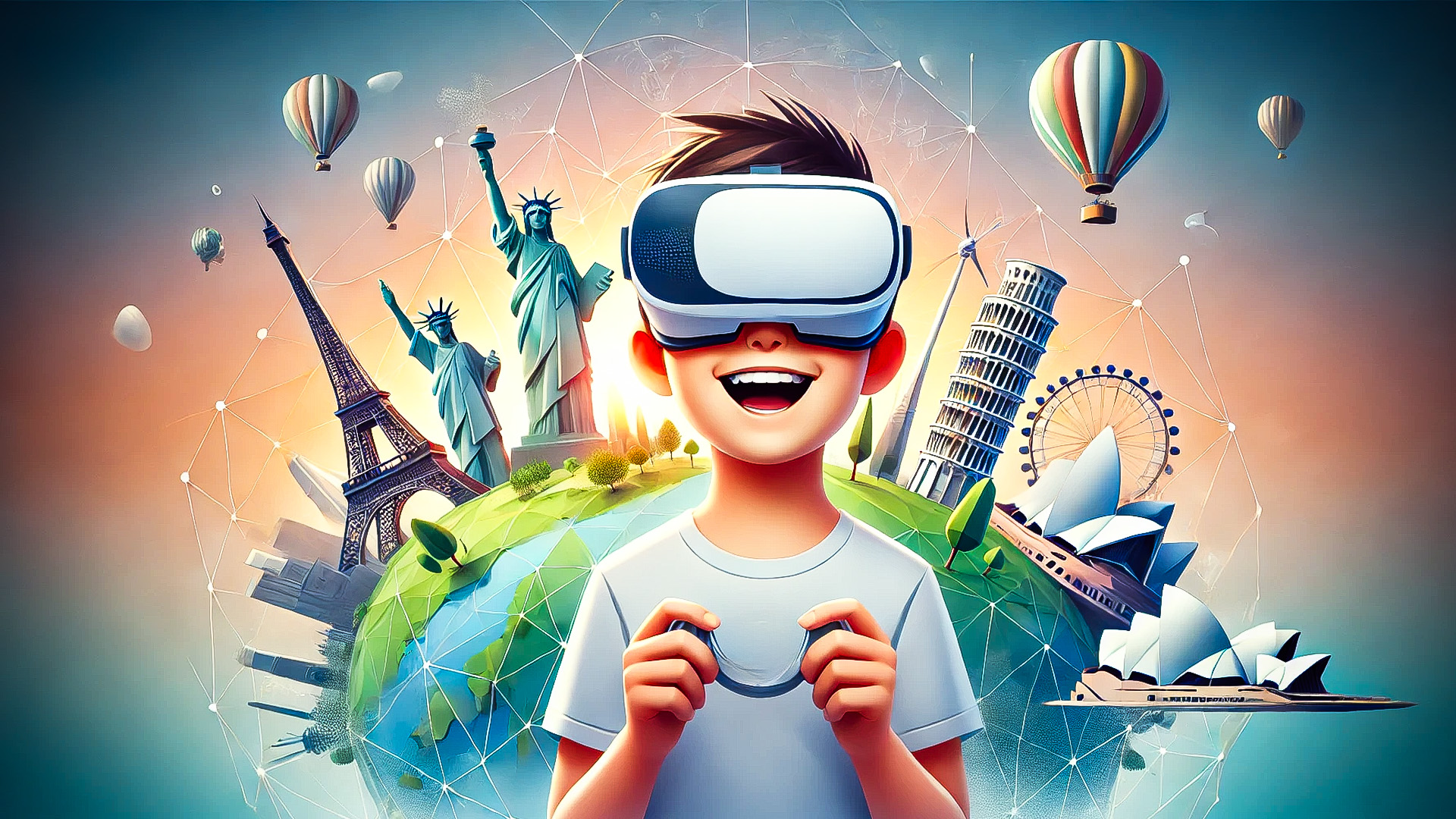
The Educational Benefits of Virtual Field Trips
Enhanced Engagement and Retention Among Students
Engagement is key to effective learning, and virtual field trips excel in capturing students’ attention. The immersive nature of VR makes learning more interactive and enjoyable, which in turn enhances retention. Students are more likely to remember what they’ve learned when they’ve experienced it firsthand, even if that experience is virtual. The multisensory nature of VR also appeals to different learning styles, ensuring that all students can benefit from this technology.
Hands-On Learning Opportunities in a Virtual Space
Traditional education often involves a significant amount of passive learning, where students are expected to absorb information through lectures or readings. Virtual field trips, however, offer hands-on learning opportunities that are more engaging and effective. In a virtual space, students can interact with their environment, conduct experiments, solve problems, and explore concepts in a way that feels more like play than work. This active participation fosters a deeper understanding of the material and encourages critical thinking and problem-solving skills.
The Role of VR in Developing Critical Thinking and Problem-Solving Skills
In today’s fast-paced world, critical thinking and problem-solving skills are more important than ever. Virtual field trips help to develop these skills by presenting students with challenges and scenarios that require them to think critically and make decisions. Whether it’s navigating a complex historical event, solving a scientific mystery, or exploring a new culture, VR encourages students to ask questions, seek answers, and think creatively. These experiences not only prepare students for academic success but also equip them with the skills they need to thrive in the real world.
Addressing Challenges: The Practicalities of Implementing VR in Schools
Overcoming Budget Constraints and Accessibility Issues
While the benefits of VR are clear, implementing this technology in schools is not without its challenges. Budget constraints and accessibility issues are among the most significant hurdles. However, there are ways to overcome these obstacles. Schools can start small, investing in a limited number of VR headsets and gradually expanding their VR programs as resources allow. Additionally, partnerships with tech companies, grants, and fundraising initiatives can help to offset the costs. The rise of mobile VR also offers a more affordable alternative, making this technology accessible to a broader range of schools.
Teacher Training and Curriculum Integration
For VR to be effective in the classroom, teachers need to be trained in how to use this technology and integrate it into their curricula. This training should cover both the technical aspects of VR and its pedagogical applications. Teachers need to understand how to create and deliver VR content that aligns with educational objectives and enhances learning outcomes. Professional development opportunities, workshops, and online courses can provide teachers with the knowledge and skills they need to effectively use VR in their classrooms.
Addressing Technological and Logistical Challenges
In addition to budget and training challenges, schools must also address the technological and logistical aspects of implementing VR. This includes ensuring that there is adequate infrastructure to support VR, such as high-speed internet and sufficient bandwidth. Schools also need to consider the maintenance and upkeep of VR equipment, as well as the logistics of managing and scheduling VR experiences for large groups of students. By planning ahead and addressing these challenges proactively, schools can successfully integrate VR into their educational programs.
The Future of Virtual Field Trips in Education
Emerging Trends in VR Technology for Classrooms
As VR technology continues to evolve, new trends are emerging that have the potential to further enhance its use in education. These include the development of more sophisticated VR content that is tailored specifically for educational purposes, as well as advancements in augmented reality (AR) and mixed reality (MR) that offer new possibilities for immersive learning. Additionally, the integration of AI and machine learning into VR platforms promises to create more personalized and adaptive learning experiences for students. As these trends continue to unfold, the future of VR in education looks bright, with even greater opportunities for innovation and growth.
Potential for Global Collaboration and Student Exchange Programs
One of the most exciting possibilities for the future of virtual field trips is the potential for global collaboration and student exchange programs. Through VR, students from different countries can connect, collaborate, and learn from one another in ways that were previously impossible. Virtual exchange programs can provide students with the opportunity to experience different cultures, languages, and perspectives, fostering a sense of global citizenship and mutual understanding. These programs can also help to build bridges between students from different backgrounds, promoting peace, tolerance, and cooperation.
The Long-Term Impact of Virtual Field Trips on Educational Practices
The long-term impact of virtual field trips on educational practices is likely to be profound. As more schools adopt this technology, virtual field trips will become an integral part of the educational experience, complementing traditional teaching methods and expanding the possibilities for learning. Over time, VR has the potential to transform the way education is delivered, making it more interactive, engaging, and effective. By embracing this technology, educators can help to prepare students for the challenges and opportunities of the 21st century, equipping them with the skills and knowledge they need to succeed in a rapidly changing world.
Embracing the Virtual Frontier in Education
As we move further into the digital age, the role of technology in education will only continue to grow. Virtual field trips represent a powerful tool for enhancing learning, providing students with immersive, interactive experiences that bring the world to their classroom. While there are challenges to implementing this technology, the benefits far outweigh the obstacles. By embracing the virtual frontier, educators can open up new possibilities for learning, helping students to explore the world, connect with diverse cultures, and develop the skills they need to thrive in an increasingly globalized society. The future of education is virtual, and the journey is just beginning.