
Revolutionizing Scientific Exploration in the Digital Age
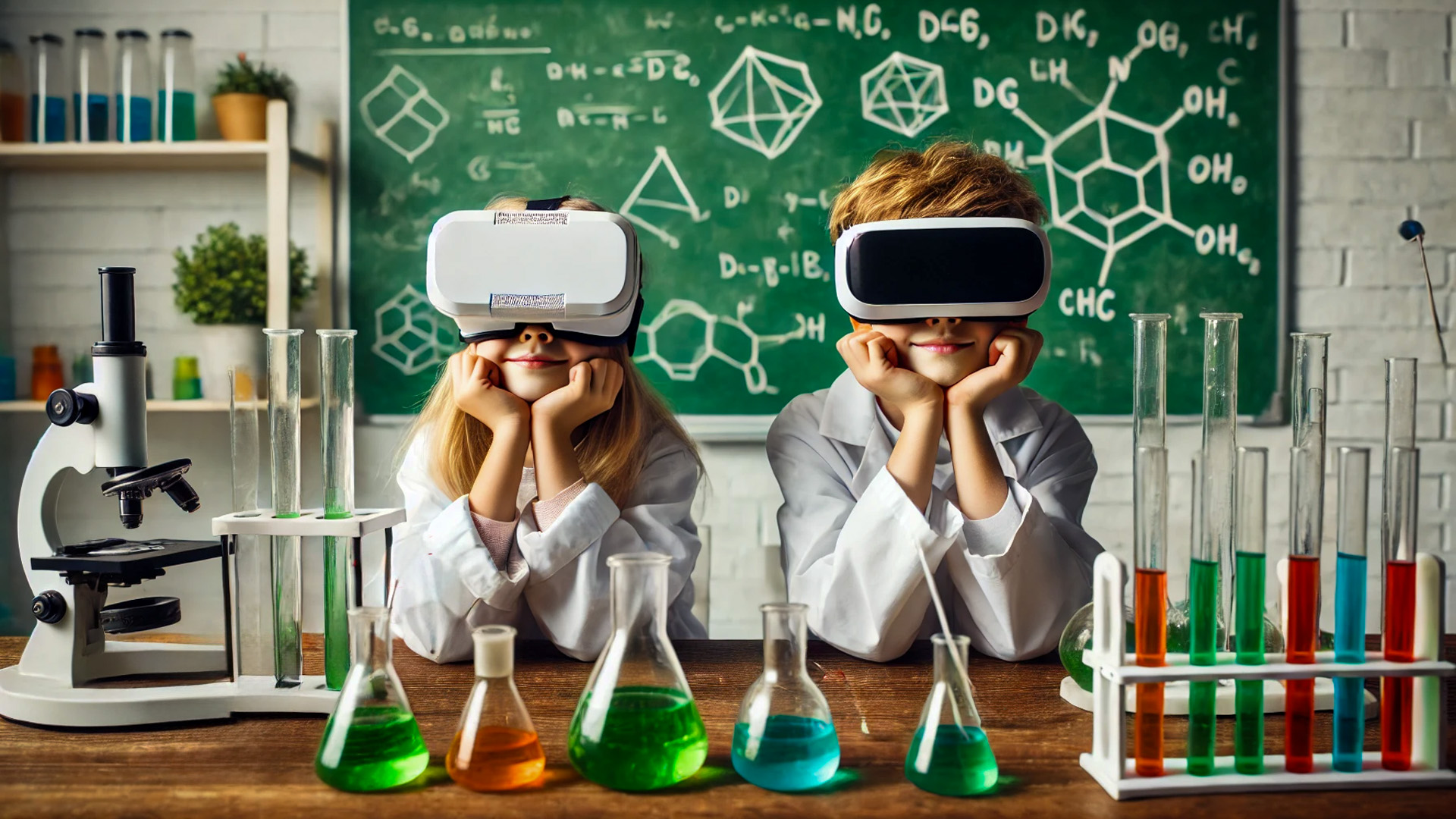
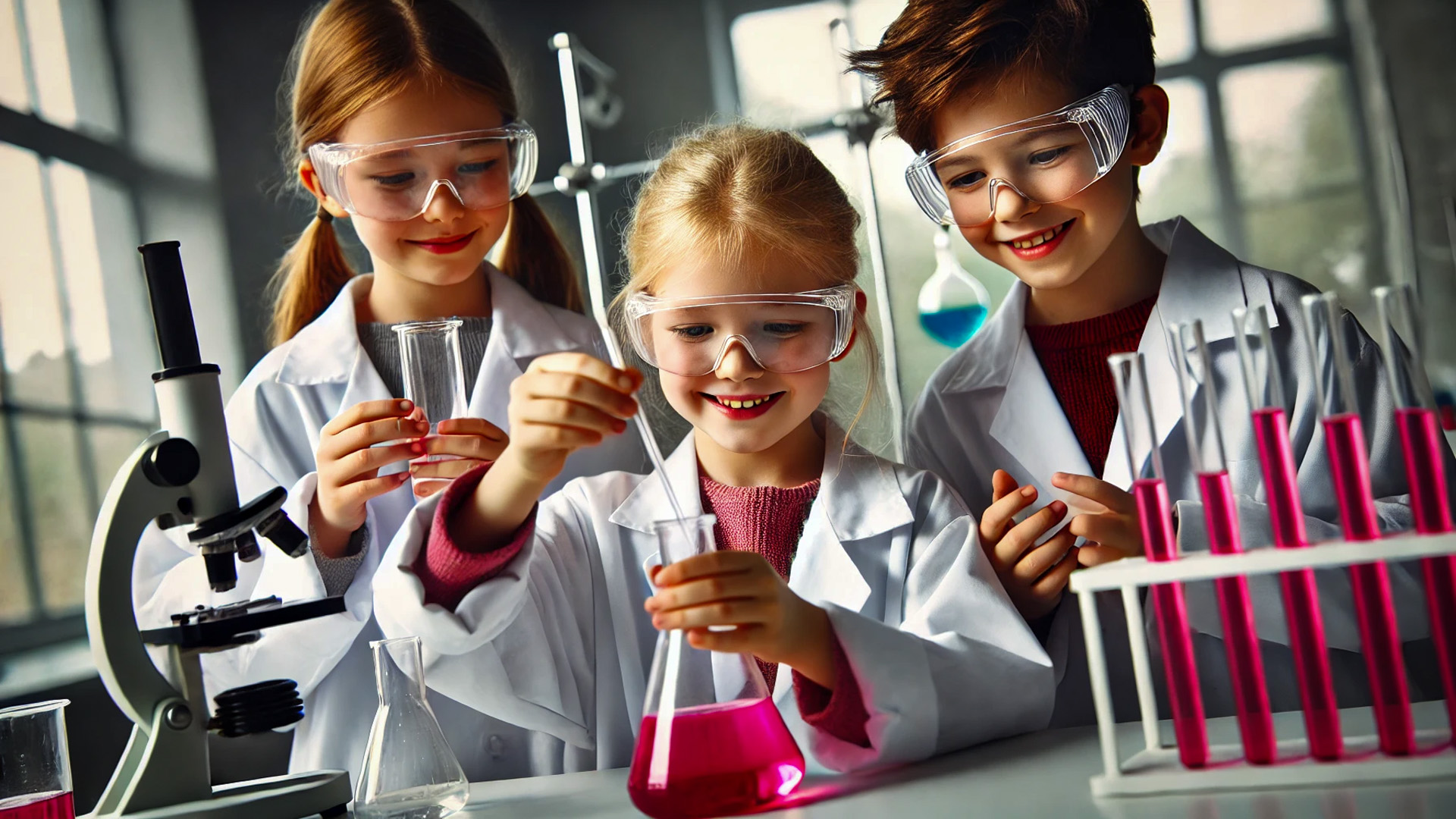
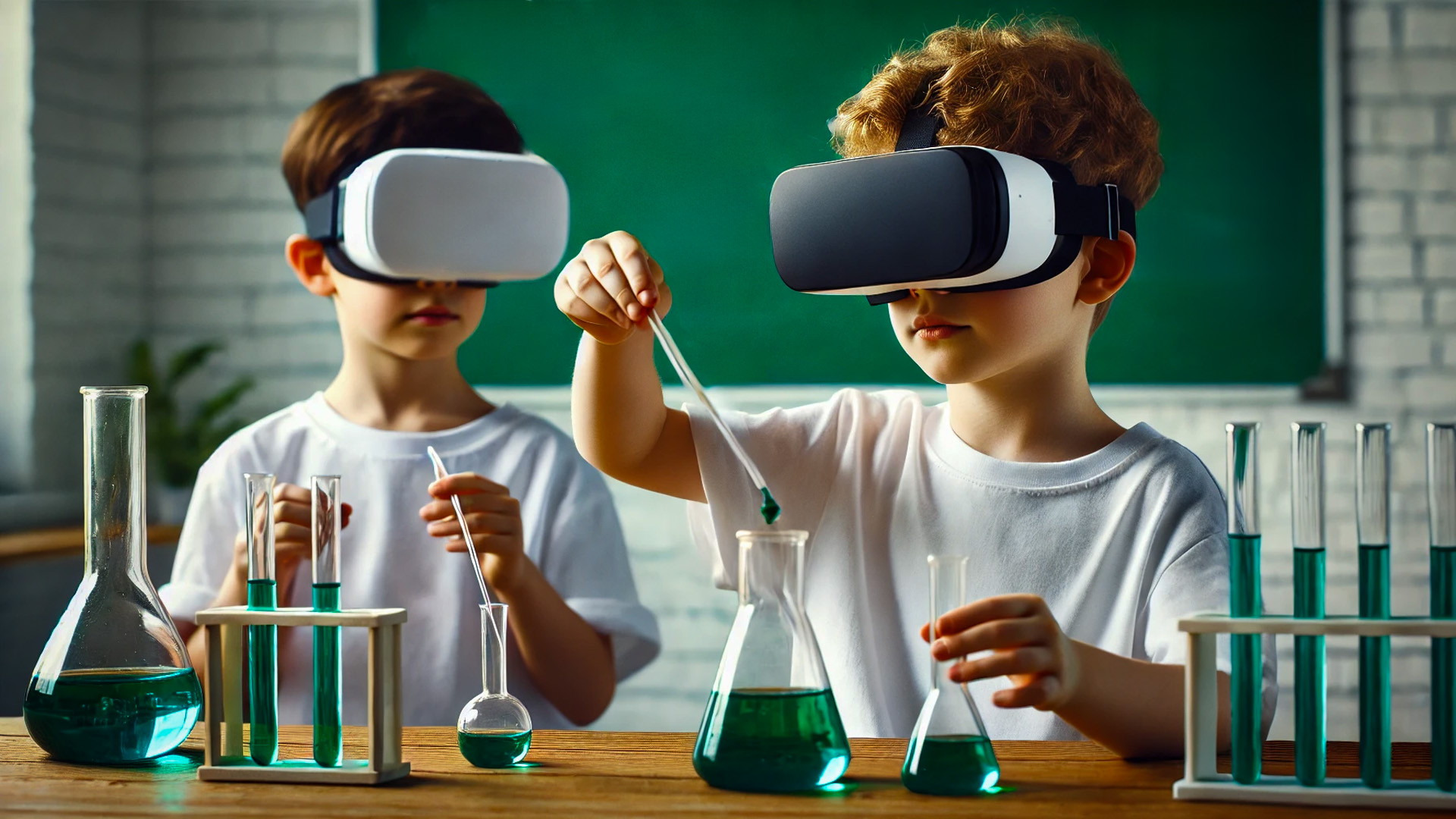
Imagine a high school chemistry class where students can conduct complex experiments without the risk of hazardous spills or the high costs of laboratory equipment. This scenario is no longer a distant dream but a tangible reality, thanks to the advent of virtual laboratories. Virtual labs are transforming the landscape of scientific education and research by providing a safe, cost-effective, and highly accessible platform for conducting experiments. This evolution not only democratizes science education but also paves the way for innovative research methodologies.
The Evolution of Virtual Laboratories
From Physical to Digital: A Historical Perspective
The journey from traditional laboratories to virtual ones mirrors the broader digital transformation witnessed across various sectors. Initially, scientific experiments were confined to the physical realm, necessitating significant investments in infrastructure, materials, and safety measures. Over time, advancements in computing power and simulation technologies have enabled the creation of sophisticated virtual environments where experiments can be conducted with remarkable precision. This shift has been instrumental in reducing the barriers to entry for scientific exploration, making it more inclusive and widely accessible.
In the early days of digital simulation, virtual labs were rudimentary, offering limited interactivity and realism. However, as technology has progressed, so too has the complexity and functionality of these platforms. Modern virtual labs now incorporate advanced features such as real-time data analysis, interactive 3D models, and immersive virtual reality experiences. These enhancements have not only improved the educational value of virtual labs but have also expanded their applicability to various fields of scientific research, from biology to engineering.
Technological Advancements Driving Virtual Labs
The proliferation of virtual laboratories can be attributed to several key technological advancements. High-performance computing, sophisticated software algorithms, and the integration of artificial intelligence have all played pivotal roles in enhancing the capabilities of virtual labs. These technologies enable the simulation of complex scientific phenomena with a high degree of accuracy, allowing users to conduct experiments that would be difficult or impossible to perform in a traditional laboratory setting.
The rise of cloud computing has facilitated the scalability and accessibility of virtual labs. Researchers and educators can now access powerful simulation tools and collaborative platforms from anywhere in the world, breaking down geographical barriers and fostering global scientific collaboration. Additionally, advancements in user interface design have made virtual labs more intuitive and user-friendly, broadening their appeal to a wider audience, including those with limited technical expertise.
Case Studies: Pioneering Virtual Laboratory Platforms
Several pioneering platforms have set the standard for virtual laboratory environments, each bringing unique features and capabilities to the table. One notable example is Labster, which offers a comprehensive suite of virtual science labs covering disciplines such as chemistry, biology, and physics. Labster’s immersive simulations allow students to engage in hands-on experiments, complete with interactive tutorials and real-time feedback, enhancing the learning experience and fostering a deeper understanding of scientific concepts.
Another exemplary platform is the PhET Interactive Simulations project, developed by the University of Colorado Boulder. PhET provides free, open-source virtual labs that emphasize accessibility and ease of use. These simulations are designed to be highly engaging, incorporating game-like elements and intuitive controls to encourage exploration and experimentation. The success of these platforms underscores the potential of virtual labs to revolutionize science education by making it more interactive, engaging, and effective.
Enhancing Safety Through Simulation
Mitigating Risks in High-Stakes Experiments
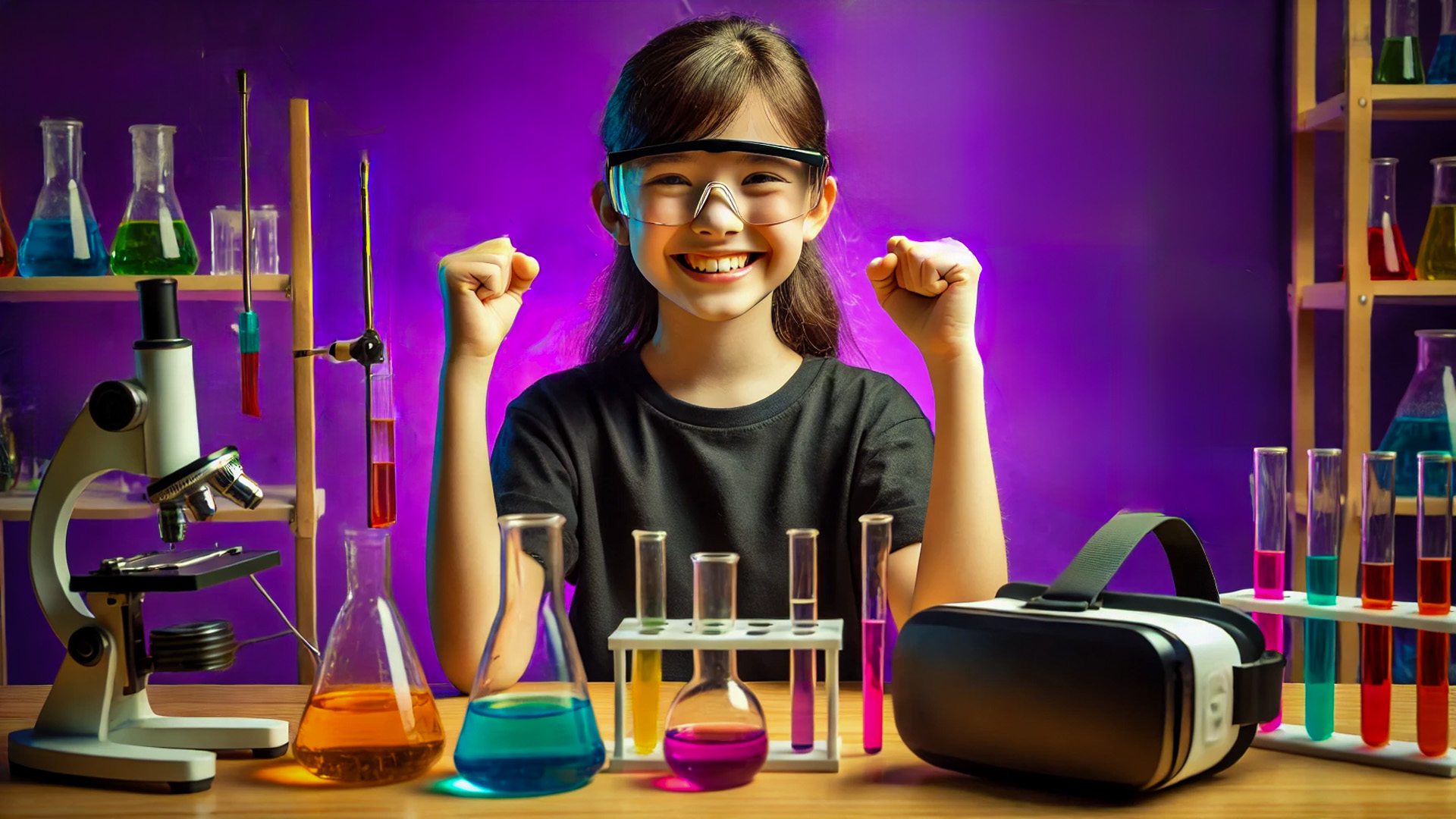
Safety is a paramount concern in scientific experimentation, particularly when dealing with hazardous materials or high-energy processes. Virtual labs offer a solution by allowing researchers and students to conduct experiments in a controlled, risk-free environment. By simulating dangerous scenarios, virtual labs enable users to explore the intricacies of high-stakes experiments without the potential for accidents or injuries, thereby fostering a safer educational and research setting.
For instance, in a traditional chemistry lab, handling volatile substances requires stringent safety protocols and specialized equipment. Virtual labs eliminate these risks by replicating the chemical reactions and properties digitally, allowing students to experiment with different variables and observe outcomes without exposure to harmful substances. This not only enhances safety but also provides an opportunity for more extensive experimentation, as the constraints of physical resources and safety concerns are significantly reduced.
Realistic Simulations of Complex Systems
The ability to simulate complex scientific systems with high fidelity is another critical advantage of virtual labs. Advanced simulation technologies can replicate intricate processes and interactions that are challenging to visualize or manipulate in a physical laboratory. This capability is particularly valuable in fields such as molecular biology, astrophysics, and materials science, where understanding complex systems is essential for making significant scientific advancements.
For example, virtual labs can model the behavior of molecules in a biochemical reaction, allowing students to visualize and manipulate molecular structures in three dimensions. This level of detail provides insights into the underlying mechanisms of the reaction, facilitating a deeper comprehension of the subject matter. Similarly, in astrophysics, virtual simulations can recreate celestial phenomena, enabling researchers to study and analyze astronomical events that are otherwise inaccessible due to their scale and distance.
Emergency Response Training and Preparedness
Beyond routine experimentation, virtual labs play a crucial role in training individuals for emergency response and preparedness. By simulating emergency scenarios, such as chemical spills, equipment malfunctions, or natural disasters, virtual labs provide a safe and effective platform for training first responders and laboratory personnel. This hands-on training ensures that individuals are well-prepared to handle real-life emergencies, reducing the likelihood of accidents and improving overall safety in scientific environments.
In addition to training, virtual labs can be used to develop and test emergency protocols and safety measures. Researchers can simulate various disaster scenarios to evaluate the effectiveness of different response strategies, allowing for continuous improvement and optimization of safety procedures. This proactive approach to safety management not only enhances the preparedness of individuals but also contributes to the overall resilience of scientific institutions in the face of unexpected challenges.
Cost-Effectiveness of Virtual Labs
Reducing Expenditure on Laboratory Infrastructure
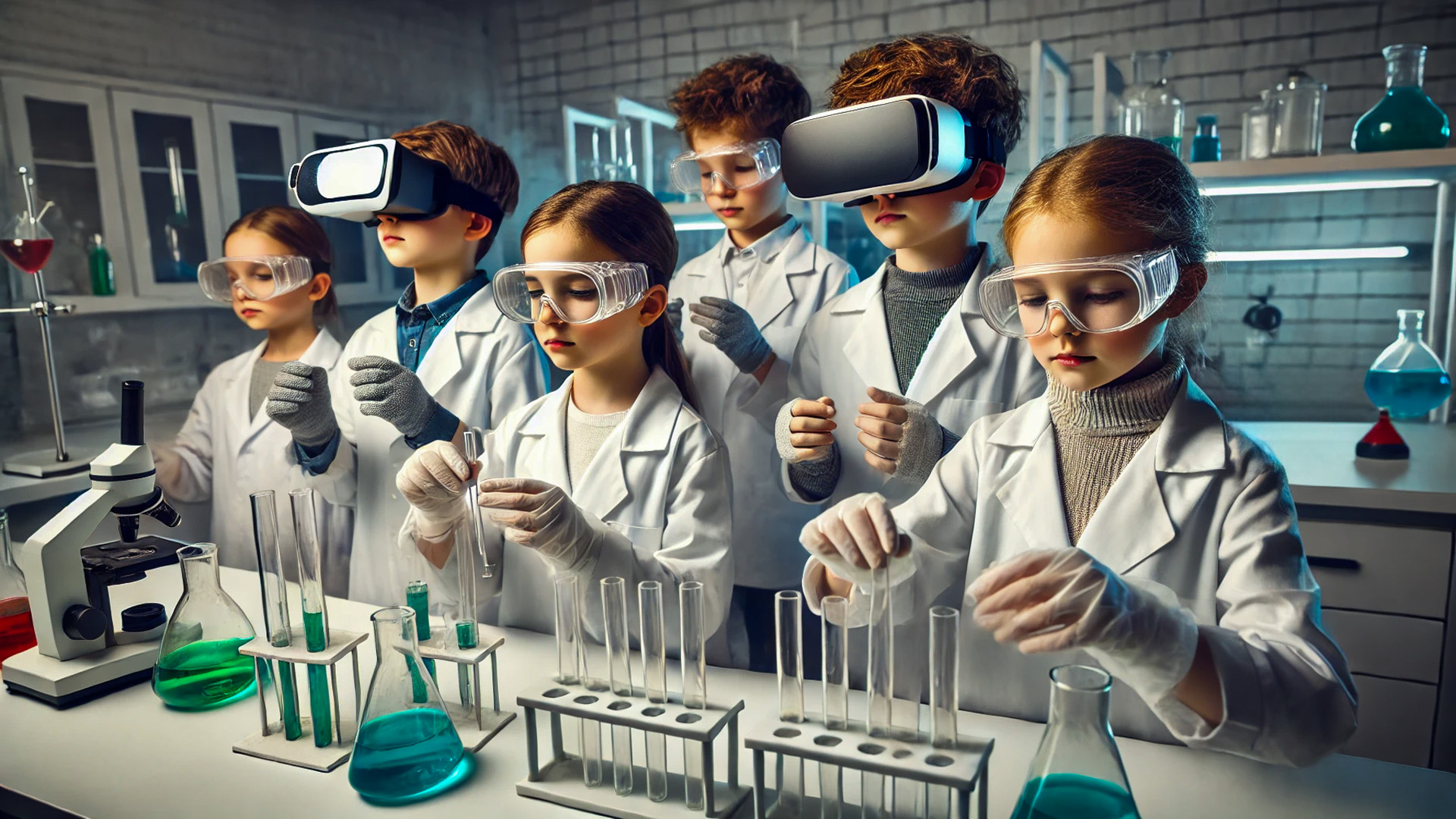
One of the most compelling advantages of virtual labs is their potential to significantly reduce costs associated with laboratory infrastructure. Traditional laboratories require substantial investments in physical space, equipment, and maintenance, which can be a barrier for educational institutions and research organizations with limited budgets. Virtual labs eliminate the need for much of this physical infrastructure, allowing institutions to allocate resources more efficiently and invest in other critical areas of scientific education and research.
For example, setting up a chemistry lab with all the necessary apparatus and chemicals can be prohibitively expensive, especially for smaller schools or institutions in developing regions. Virtual labs, on the other hand, provide access to a wide range of experiments and simulations without the associated costs of purchasing and maintaining physical equipment. This democratization of access enables more students and researchers to engage in scientific exploration, fostering a more inclusive and diverse scientific community.
Scalability and Resource Optimization
Virtual labs offer unparalleled scalability, enabling institutions to accommodate a large number of users without the constraints of physical space and equipment availability. Traditional labs often face limitations in terms of the number of students who can conduct experiments simultaneously, leading to scheduling conflicts and reduced hands-on time. Virtual labs eliminate these bottlenecks by allowing multiple users to access the same resources concurrently, ensuring that everyone has ample opportunity to engage with the experiments.
Virtual labs optimize the use of resources by providing reusable and easily updatable simulations. Unlike physical experiments, which may require consumable materials and periodic equipment upgrades, virtual experiments can be modified and expanded with minimal cost and effort. This flexibility allows educational institutions and research organizations to keep their curricula and experimental capabilities up-to-date with the latest scientific advancements, ensuring that learners and researchers are always equipped with the most current knowledge and tools.
Long-Term Financial Sustainability
Investing in virtual labs contributes to the long-term financial sustainability of educational and research institutions. While there may be an initial investment required to develop or subscribe to a virtual lab platform, the ongoing costs are typically lower than those associated with maintaining physical laboratories. Virtual labs do not require continuous expenditure on consumables, equipment repairs, or facility upgrades, leading to substantial cost savings over time.
Virtual labs can extend the lifespan of educational programs by providing a sustainable alternative to costly physical infrastructure. As scientific disciplines evolve and new fields emerge, virtual labs can be easily adapted to incorporate new experiments and simulations, ensuring that educational offerings remain relevant and comprehensive. This adaptability not only enhances the value of educational programs but also ensures that institutions can continue to offer high-quality scientific education without being hindered by financial constraints.

Accessibility and Flexibility in Learning
Breaking Down Geographical Barriers
Virtual labs are instrumental in overcoming geographical barriers that traditionally limit access to quality scientific education and research opportunities. Students and researchers from remote or underserved regions can access the same high-quality virtual laboratory environments as those in well-equipped institutions, leveling the playing field and promoting global scientific collaboration. This increased accessibility fosters a more diverse and inclusive scientific community, where talent and innovation can flourish irrespective of geographical location.
For instance, a student in a rural area with limited access to physical laboratory facilities can engage in the same virtual experiments as their counterparts in urban centers, gaining hands-on experience and practical skills that would otherwise be out of reach. Similarly, researchers in developing countries can collaborate with international peers using virtual labs, sharing resources and expertise without the need for costly and time-consuming travel. This democratization of access not only enhances individual learning and research outcomes but also contributes to the advancement of science on a global scale.
Enhancing Learning Through Personalized Experiences
The flexibility of virtual labs allows for personalized learning experiences tailored to individual needs and learning styles. Adaptive learning technologies can customize experiments and simulations based on a user’s progress, strengths, and areas for improvement, providing a more effective and engaging educational experience. This personalized approach ensures that learners can progress at their own pace, revisiting complex concepts and experimenting with different variables until they achieve a thorough understanding of the subject matter.
Virtual labs offer a wide range of experiments and simulations that cater to diverse interests and academic goals. Whether a student is passionate about organic chemistry, astrophysics, or environmental science, virtual labs provide the tools and resources to explore these fields in depth. This breadth of offerings encourages exploration and discovery, enabling learners to pursue their scientific interests with greater autonomy and enthusiasm. The ability to customize and diversify the learning experience enhances both motivation and retention, leading to more meaningful and impactful educational outcomes.
Facilitating Remote Collaboration and Learning
In an increasingly interconnected world, the ability to collaborate remotely is essential for scientific progress and educational success. Virtual labs facilitate remote collaboration by providing a shared digital space where students and researchers can work together on experiments, share data, and discuss findings in real time. This collaborative environment not only enhances the learning experience but also mirrors the collaborative nature of modern scientific research, preparing learners for the teamwork and communication skills required in their future careers.
Virtual labs often incorporate features such as chat functions, video conferencing, and shared workspaces, enabling seamless interaction and collaboration among users. These tools allow participants to discuss experimental designs, troubleshoot issues, and analyze results collectively, fostering a sense of community and shared purpose. Additionally, virtual labs can host large-scale collaborative projects, bringing together diverse expertise and perspectives to tackle complex scientific challenges. This ability to collaborate across distances and disciplines accelerates innovation and drives scientific breakthroughs, highlighting the pivotal role of virtual labs in the future of science.
Future Prospects of Virtual Laboratory Technology
Integration with Emerging Technologies
The future of virtual laboratories is closely intertwined with the development of emerging technologies such as artificial intelligence, augmented reality, and blockchain. Artificial intelligence can enhance virtual labs by providing intelligent tutoring systems that offer personalized guidance and feedback to users, improving the overall learning experience. Augmented reality can further immerse users in the virtual laboratory environment, blending digital simulations with the physical world to create more interactive and realistic experiments.
Blockchain technology has the potential to revolutionize data security and integrity in virtual labs, ensuring that experimental data is tamper-proof and verifiable. This is particularly important for research applications where the accuracy and reliability of data are paramount. By integrating these emerging technologies, virtual labs can offer even more sophisticated and secure platforms for scientific education and research, pushing the boundaries of what is possible in the digital realm.
Expanding Applications Across Disciplines
While virtual labs are already making significant inroads in fields such as chemistry and biology, their applications are rapidly expanding across a wider range of scientific disciplines. In engineering, virtual labs can simulate complex systems and processes, enabling the design and testing of prototypes without the need for physical models. In environmental science, virtual simulations can model ecosystems and climate change scenarios, providing valuable insights into the impacts of human activity on the environment.
The integration of interdisciplinary approaches in virtual labs can foster innovation by encouraging the convergence of different scientific fields. For example, combining virtual chemistry labs with advanced data analytics can lead to breakthroughs in materials science, while integrating virtual biology experiments with machine learning algorithms can accelerate discoveries in genomics and personalized medicine. The versatility and adaptability of virtual labs make them a powerful tool for advancing knowledge and solving complex scientific problems across a multitude of disciplines.
Enhancing Accessibility Through Global Partnerships
The continued growth and effectiveness of virtual labs will depend significantly on the establishment of global partnerships and collaborations. Educational institutions, research organizations, and technology companies around the world are increasingly recognizing the value of virtual labs and are working together to develop and share resources. These partnerships can lead to the creation of standardized platforms, the sharing of best practices, and the pooling of expertise to tackle common challenges in virtual laboratory design and implementation.
Global collaborations also facilitate the exchange of cultural and regional perspectives, enriching the virtual lab experience and making it more relevant to diverse user groups. By leveraging the strengths and capabilities of partners from different parts of the world, virtual labs can become more robust, versatile, and inclusive. This collaborative approach not only enhances the quality and reach of virtual laboratories but also fosters a spirit of international cooperation and mutual advancement in the pursuit of scientific knowledge.
Virtual laboratories are at the forefront of a paradigm shift in scientific education and research, offering a safe, cost-effective, and highly accessible alternative to traditional laboratory environments. By leveraging advanced simulation technologies, virtual labs mitigate risks, reduce costs, and break down geographical barriers, making scientific exploration more inclusive and sustainable. The integration of emerging technologies and the expansion of applications across various disciplines promise to further enhance the capabilities and impact of virtual laboratories. As global partnerships continue to drive innovation and accessibility, virtual labs are poised to play a pivotal role in shaping the future of science, empowering the next generation of scientists and researchers to conduct groundbreaking experiments with unprecedented ease and efficiency.